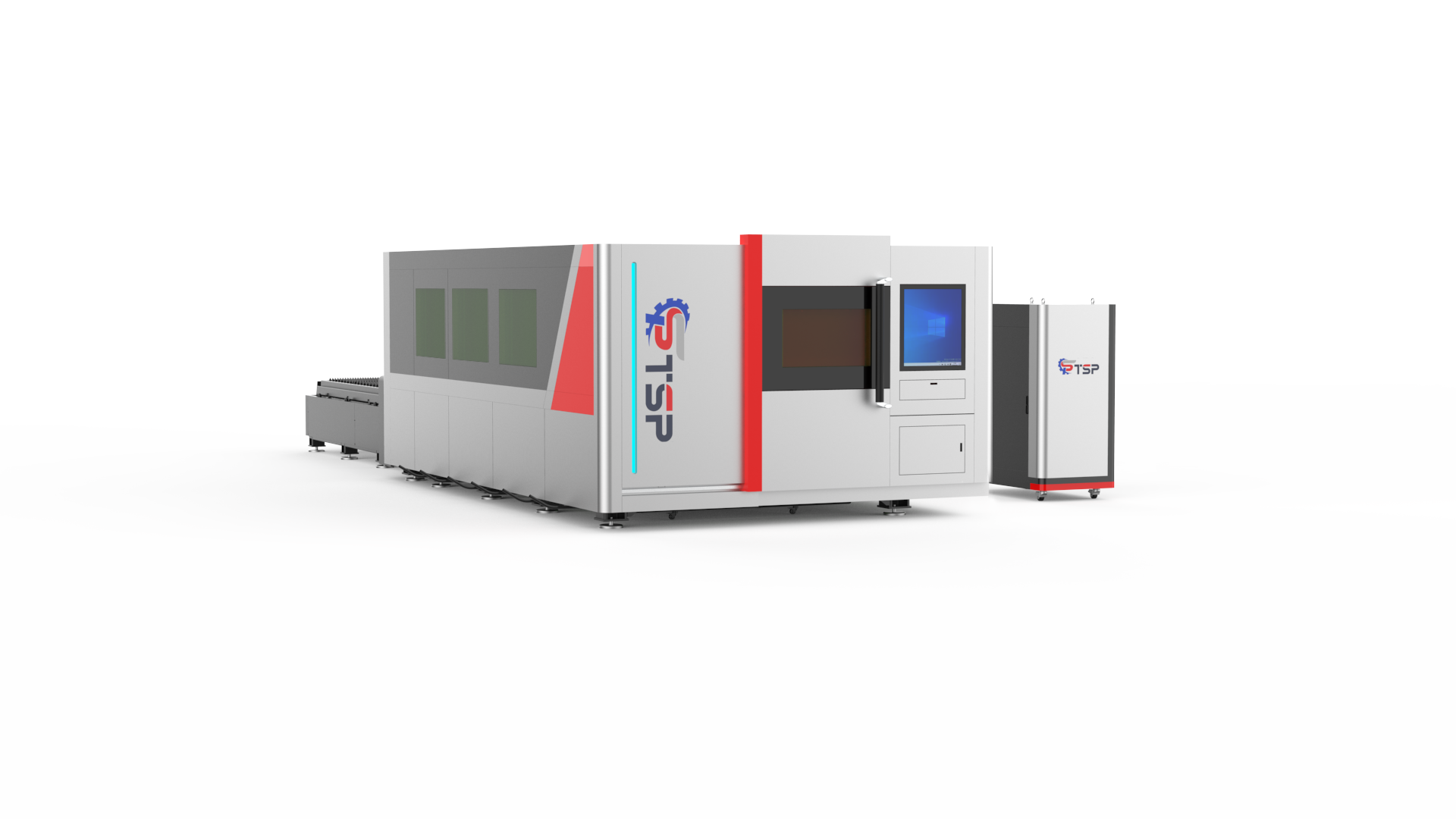

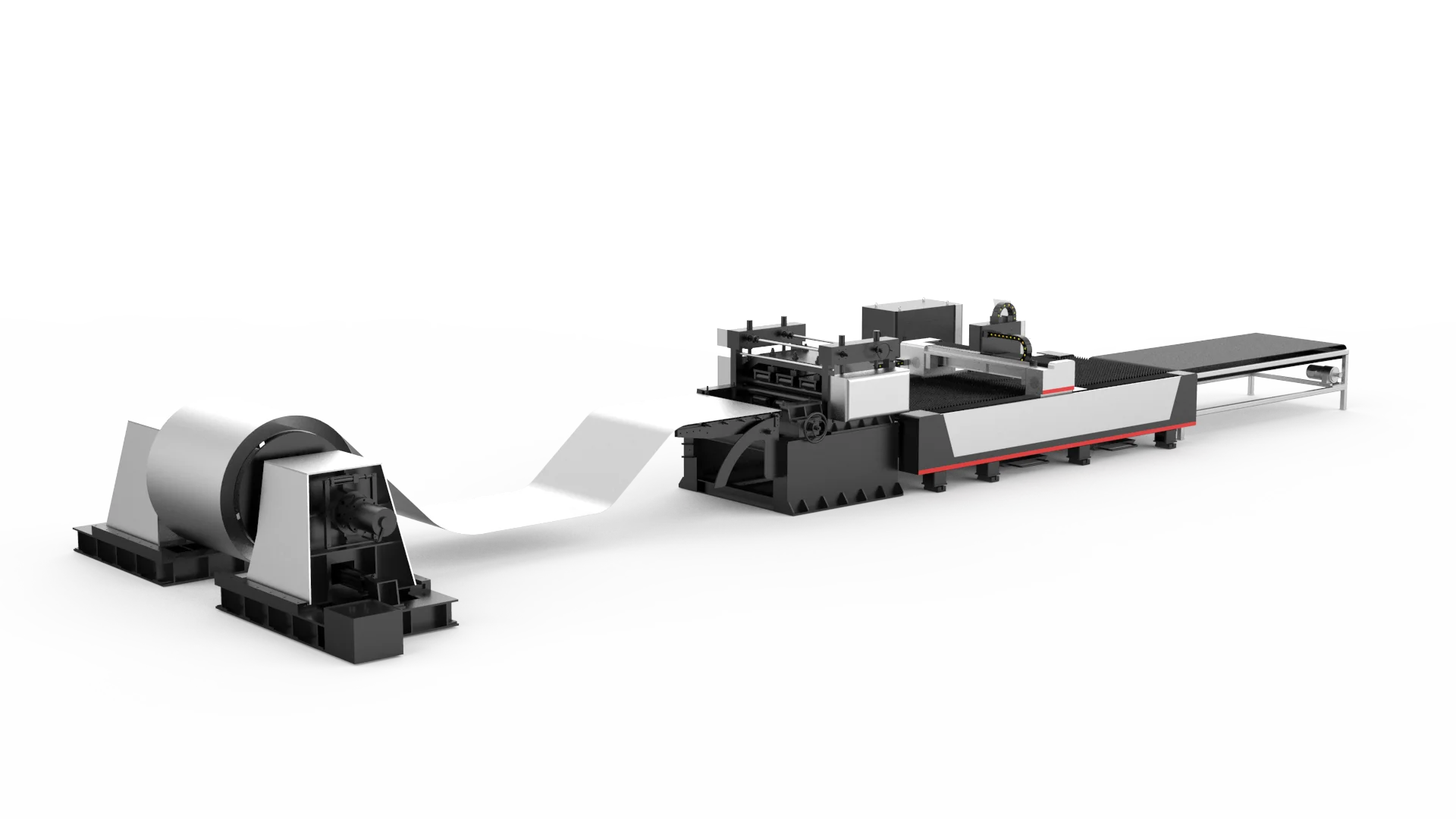
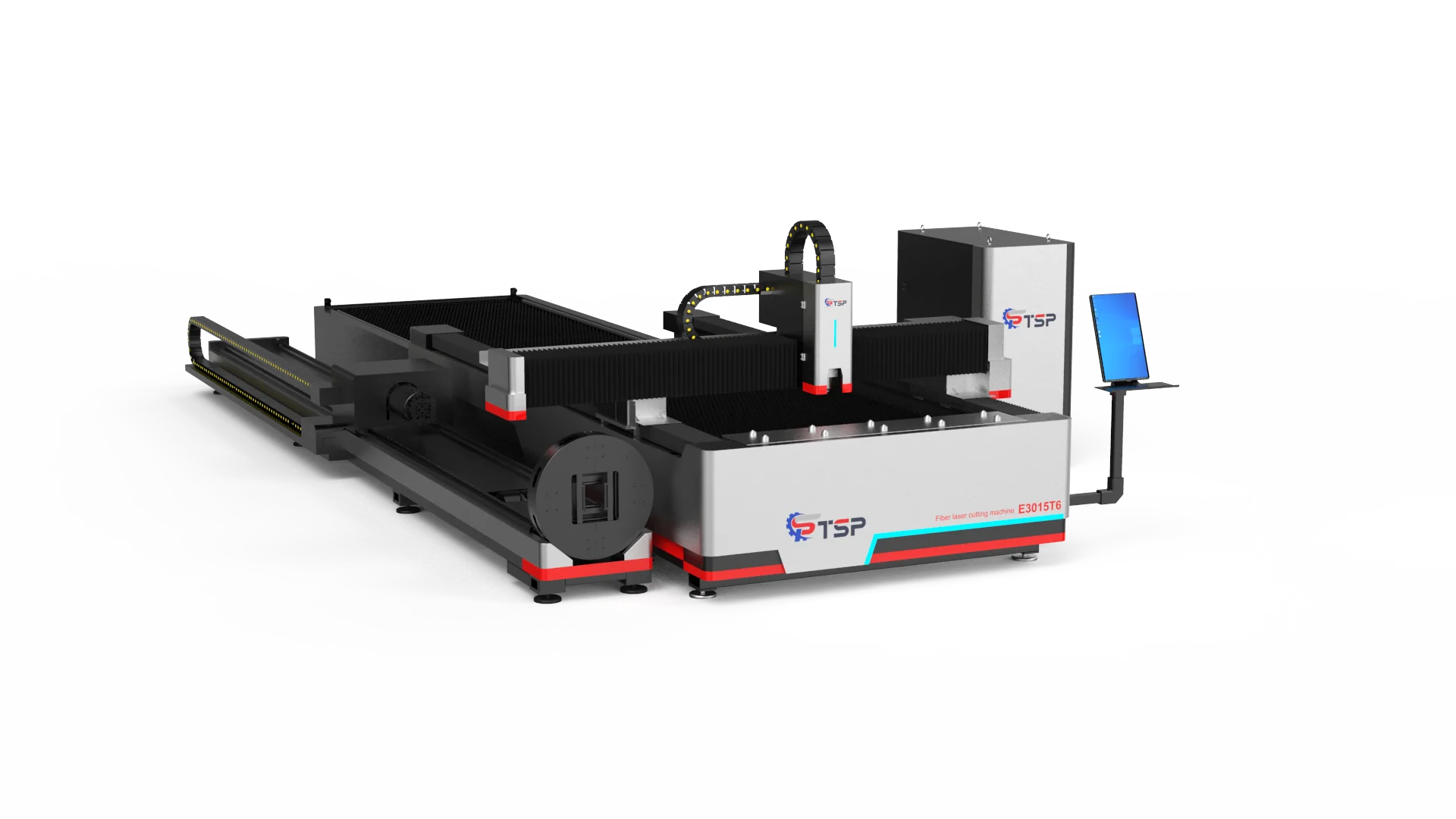
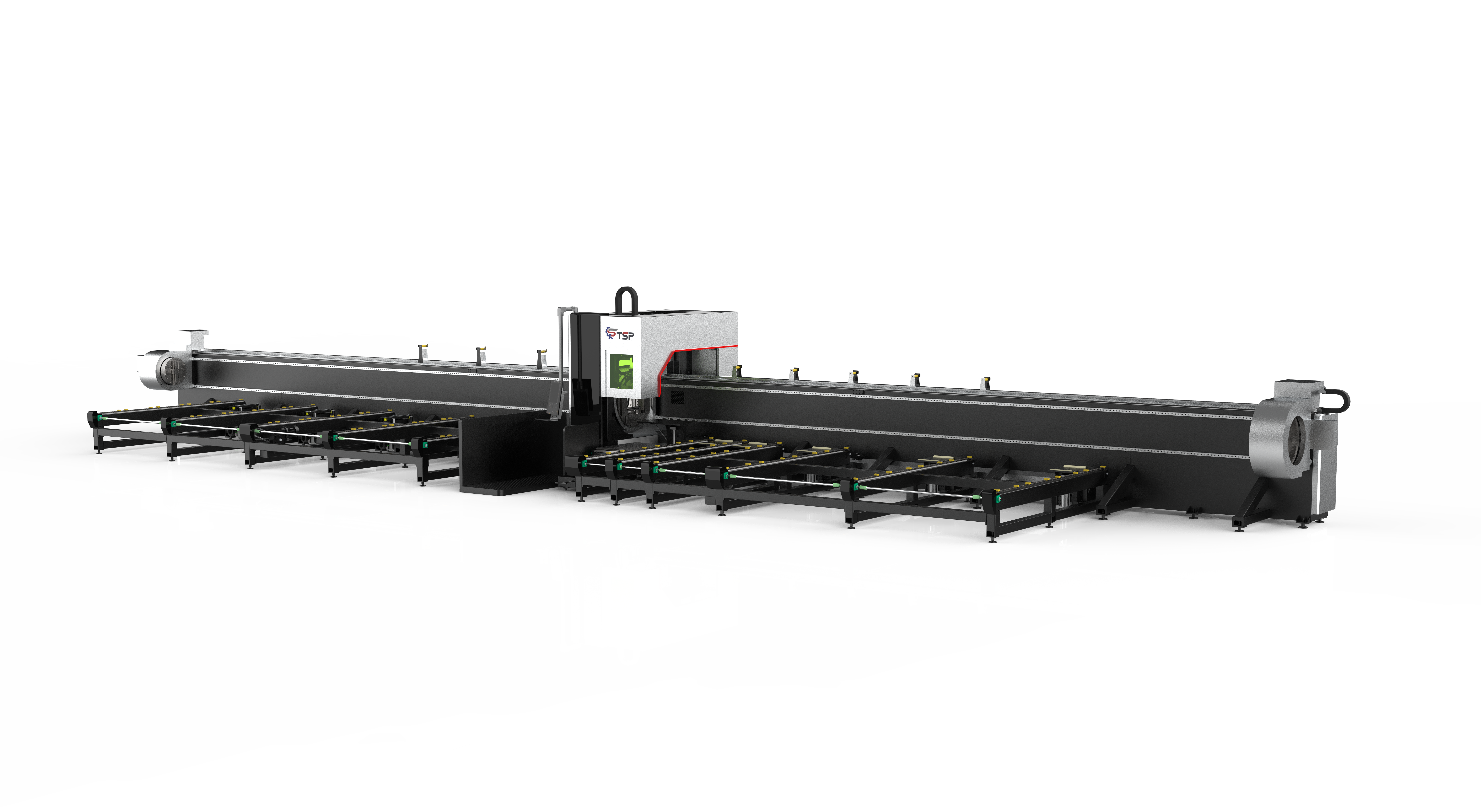


Heavy Plate Processing Is Entering a New Era
For decades, shipbuilding yards, offshore engineering companies, mining equipment manufacturers, and heavy machinery factories have relied on plasma and oxy-fuel cutting systems for thick carbon steel processing.
While these traditional methods remain common, increasing demands for higher precision, shorter lead times, and lower production costs are exposing their limitations.
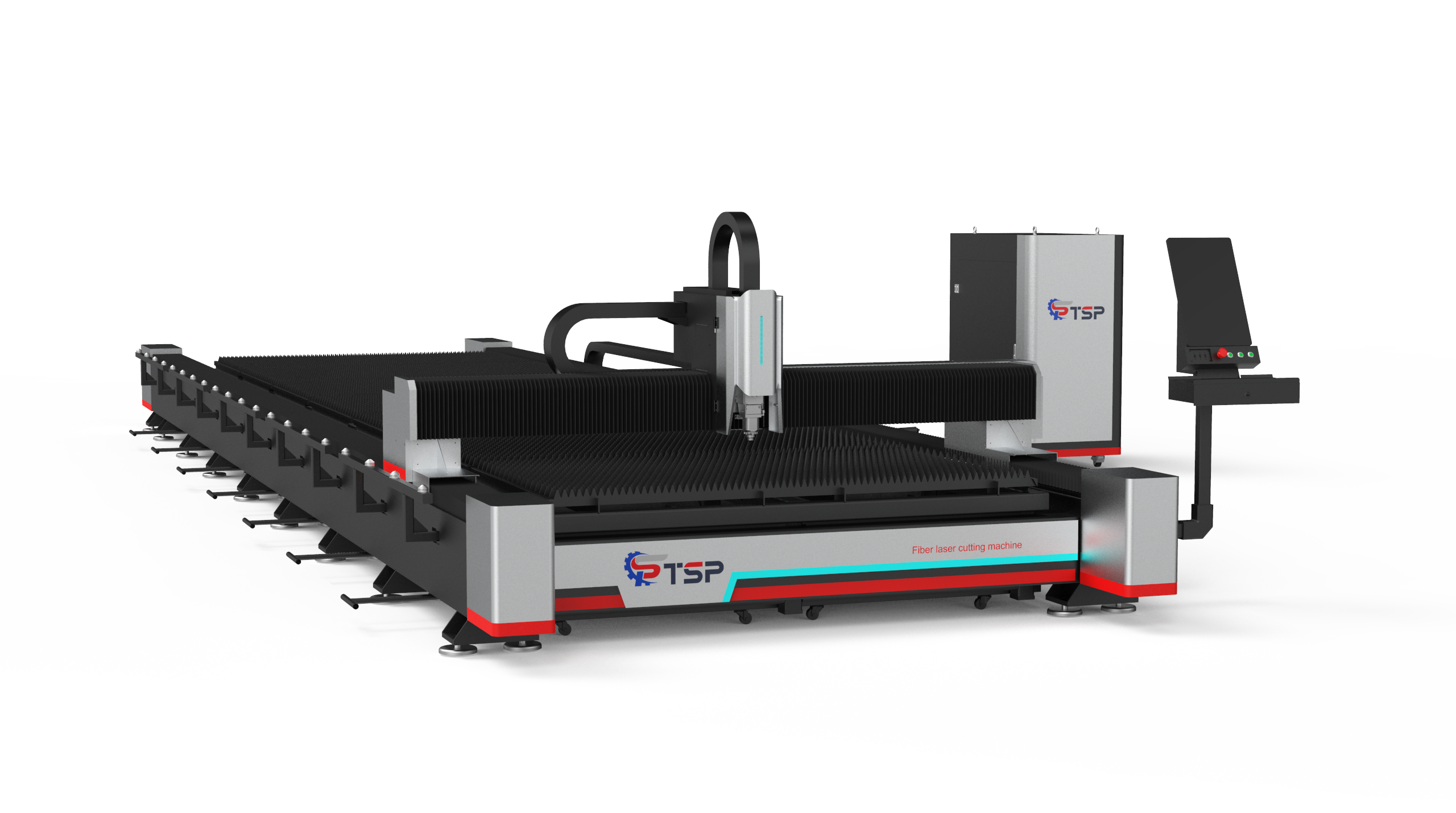
Today, advanced fiber laser technology is changing the way heavy steel components are manufactured. Modern 80mm fiber laser cutting machines deliver exceptional cutting quality, reduced post-processing, and significantly improved production efficiency.
The Challenge of Processing 80mm Carbon Steel
Cutting ultra-thick steel is far more complex than cutting standard sheet metal.
In industries such as:
*Shipbuilding
*Port machinery
*Construction equipment
*Mining machinery
*Offshore structures
*Energy infrastructure
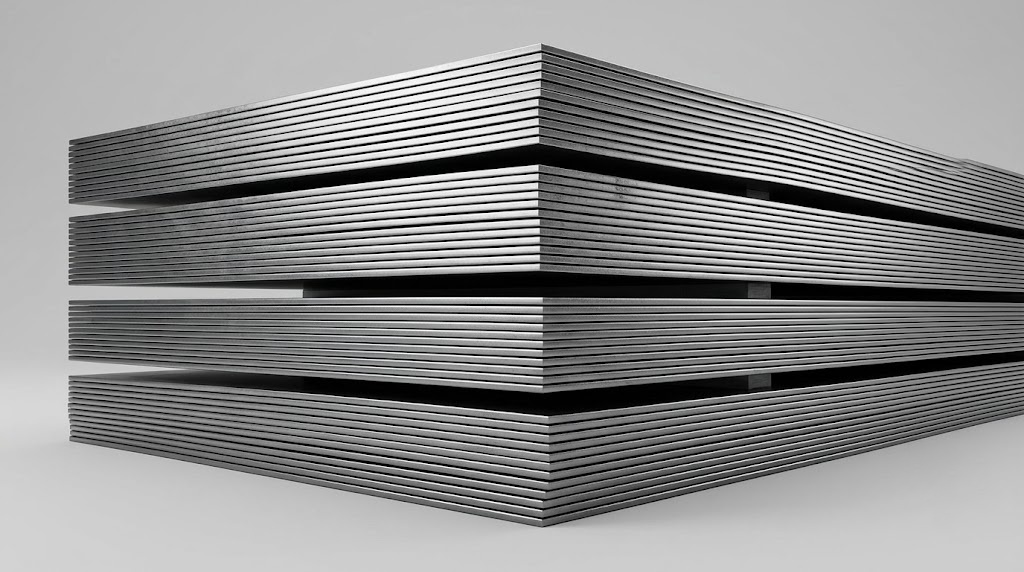
Steel plates often exceed 50mm, 60mm, or even 80mm in thickness.
Traditional thermal cutting methods typically create:
√ Large heat-affected zones
√Significant edge taper
√ Slag accumulation
√Material distortion
√ Extensive secondary machining requirements
As steel thickness increases, these issues become more pronounced, leading to longer production cycles and higher labor costs.
Fiber Laser Technology Delivers Superior Edge Quality
One of the biggest advantages of an 80mm fiber laser cutting system is the exceptional cut edge.
Compared with conventional cutting processes, fiber laser technology produces:
Near-Vertical Cutting Edges
The laser beam remains highly concentrated throughout the cutting process, creating extremely straight sidewalls even on thick carbon steel plates.
Minimal Thermal Impact
Because the laser introduces heat only into a very small area, the surrounding material experiences significantly less thermal stress.
Reduced Surface Oxidation
Clean edges improve weld preparation and minimize additional finishing operations.
Better Dimensional Accuracy
Critical structural components can be produced with tighter tolerances, helping manufacturers maintain quality standards throughout assembly.
Intelligent Piercing Technology Improves Productivity
Piercing thick steel plates has traditionally been one of the most time-consuming stages of the cutting process.
Modern laser systems solve this challenge through intelligent sensor technology.
Real-Time Monitoring
During piercing, the laser gradually forms a cavity within the material.
Integrated sensors continuously monitor reflected optical signals from the cutting zone.
Automatic Breakthrough Recognition
The moment the laser beam penetrates the full plate thickness, the control system immediately identifies the breakthrough point.
Without operator intervention, the machine automatically transitions from piercing to contour cutting.
Faster Production Cycles
This intelligent process dramatically reduces idle time and enables efficient processing of multiple nested components on a single plate.
The result is higher material utilization and increased machine productivity.
Maximum Material Utilization Through Advanced Nesting
Material cost represents a significant portion of manufacturing expenses.
Fiber laser cutting systems integrate directly with CAD/CAM nesting software, allowing manufacturers to:
*Position parts closer together
*Reduce scrap rates
*Optimize plate usage
*Produce more components from each sheet
For shipyards and heavy equipment manufacturers processing large steel plates daily, these savings quickly become substantial.
Comparing Traditional Thermal Cutting and 80mm Fiber Laser Cutting
| Performance Factor | Plasma / Oxy-Fuel Cutting | 80mm Fiber Laser Cutting |
|---|---|---|
| Edge Quality | Requires additional finishing | Excellent finish directly from machine |
| Heat-Affected Zone | Large | Extremely small |
| Dimensional Accuracy | Moderate | High precision |
| Secondary Processing | Extensive | Minimal |
| Material Utilization | Limited | Optimized nesting |
| Production Flow | Multiple operations | One-step processing |
| Labor Requirement | High | Lower |
Reducing Total Manufacturing Costs
When evaluating equipment investment, many manufacturers focus solely on machine purchase price.
However, the real metric is total production cost per finished component.
An 80mm fiber laser system can help reduce:
*Grinding operations
*Edge preparation work
*CNC milling requirements
*Material handling time
*Inter-department transfers
*Rework caused by dimensional errors
Instead of moving parts through several different workstations, manufacturers can complete cutting operations in a single integrated process.
This significantly shortens production lead times while reducing labor dependency.
Applications Across Heavy Industries
80mm fiber laser cutting technology is increasingly being adopted for:
Shipbuilding
Hull sections, reinforcement plates, bulkheads, deck structures, and large welded assemblies.
Mining Equipment
Excavator frames, crusher components, wear-resistant structures, and support systems.
Construction Machinery
Booms, chassis, brackets, and heavy-duty load-bearing parts.
Energy and Infrastructure
Pressure vessel components, steel structures, and large industrial assemblies.
The ability to process ultra-thick carbon steel with high accuracy provides manufacturers with greater flexibility and competitiveness.
Future-Proofing Heavy Manufacturing
Global demand for larger vessels, stronger machinery, and more complex steel structures continues to grow.
Manufacturers that rely solely on traditional cutting technologies often face:
*Longer delivery schedules
*Rising labor costs
*Increased material waste
*Quality consistency challenges
Advanced fiber laser cutting offers a practical path toward smarter production, improved quality control, and higher operational efficiency.
For shipyards and heavy fabrication companies, investing in an 80mm ultra-thick carbon steel laser cutting machine is not simply an equipment upgrade—it is a strategic move toward faster production, lower operating costs, and stronger market competitiveness.