



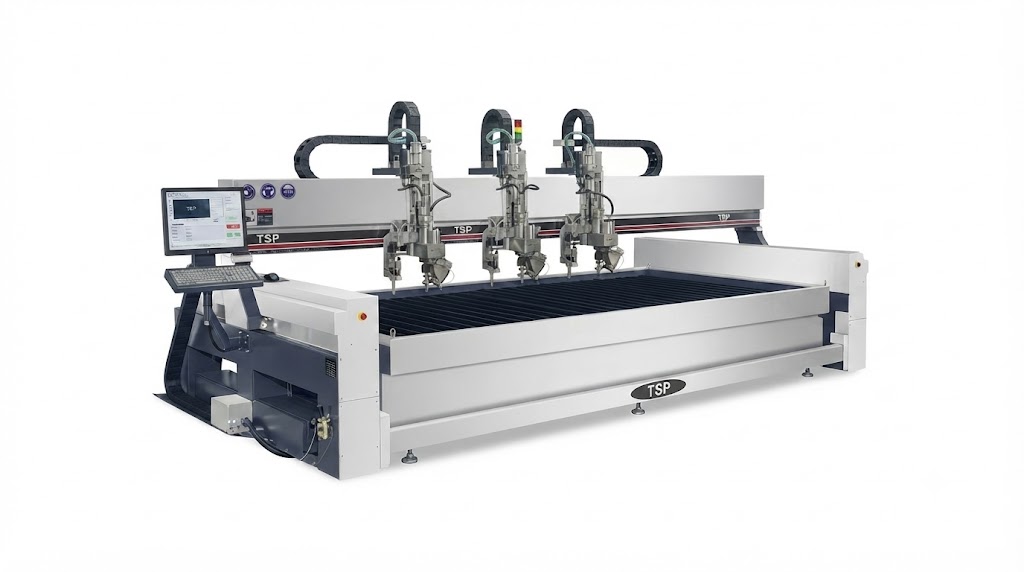
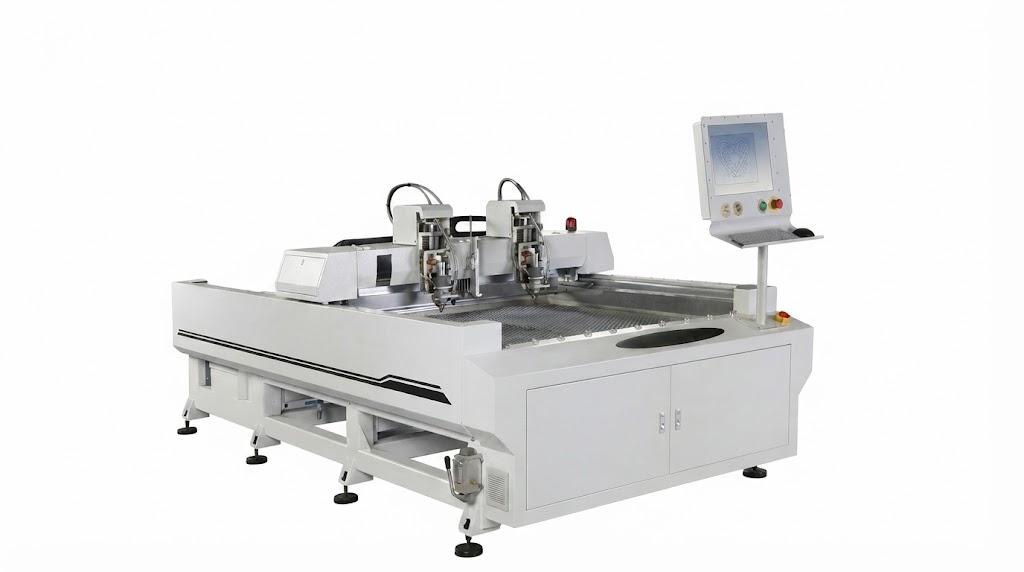
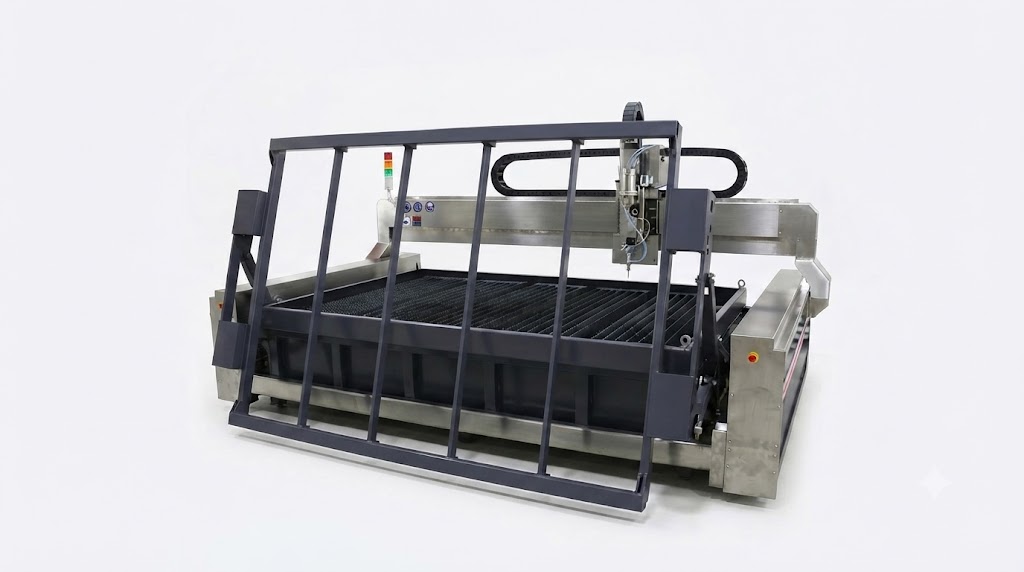
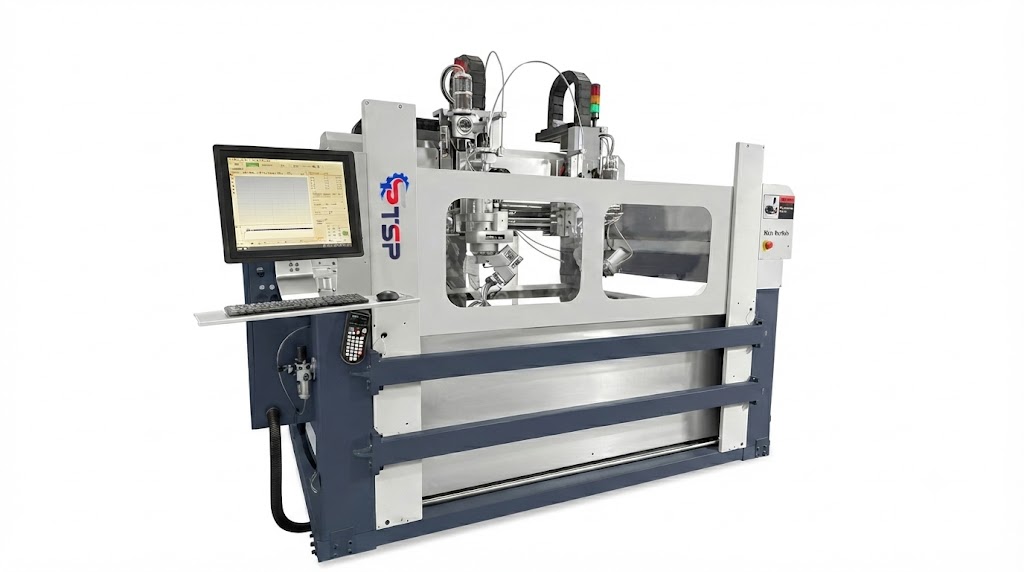
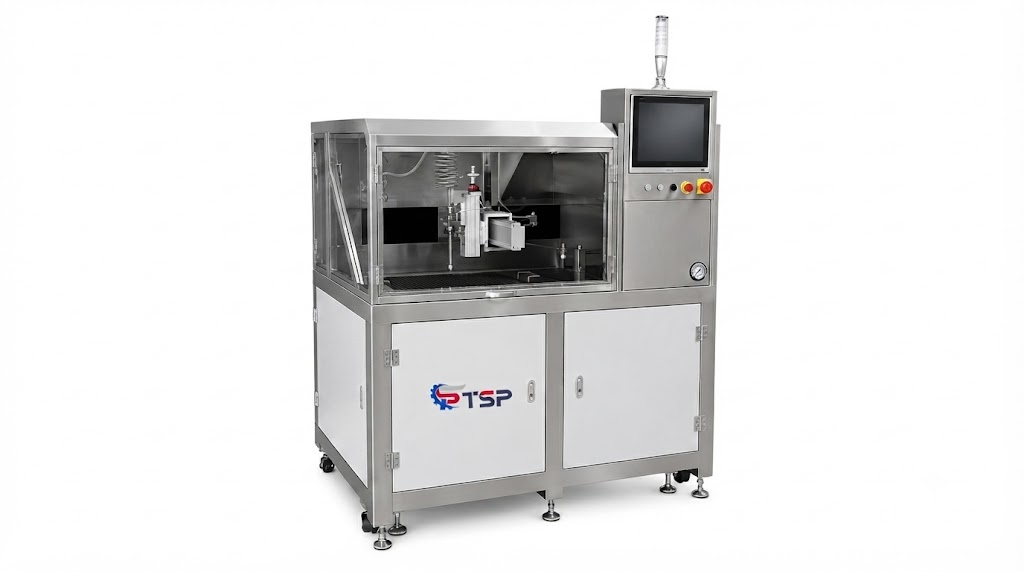
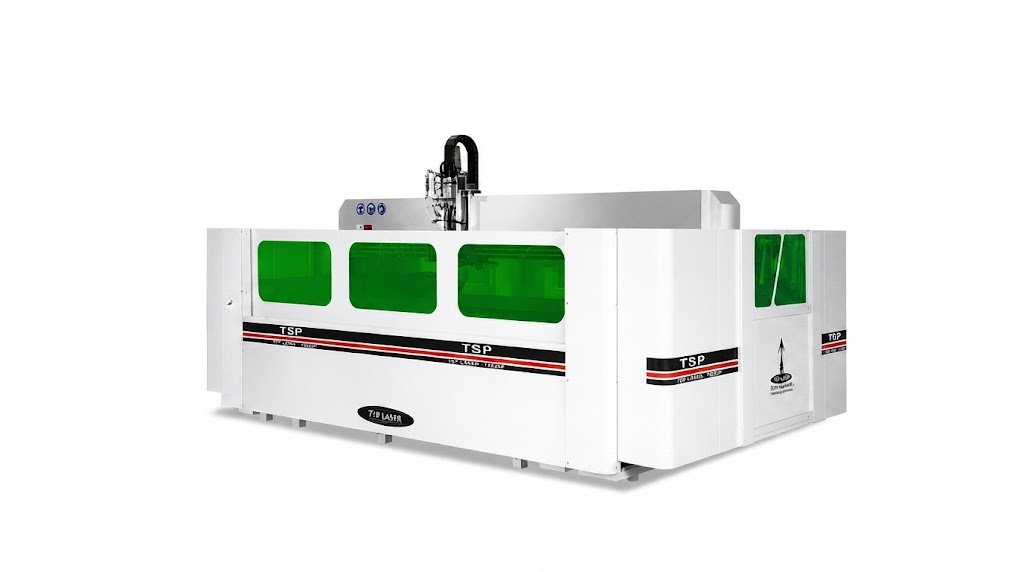
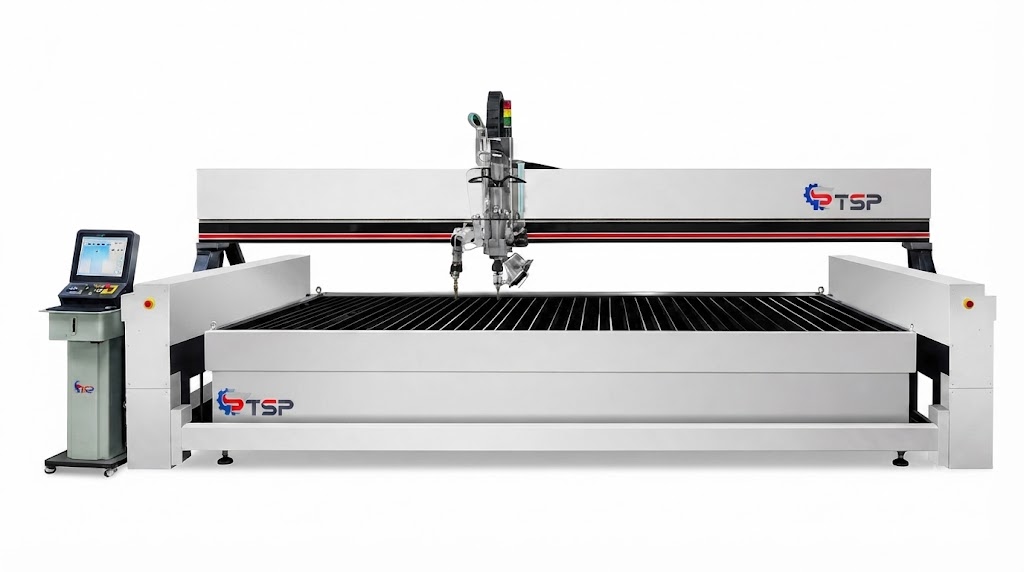
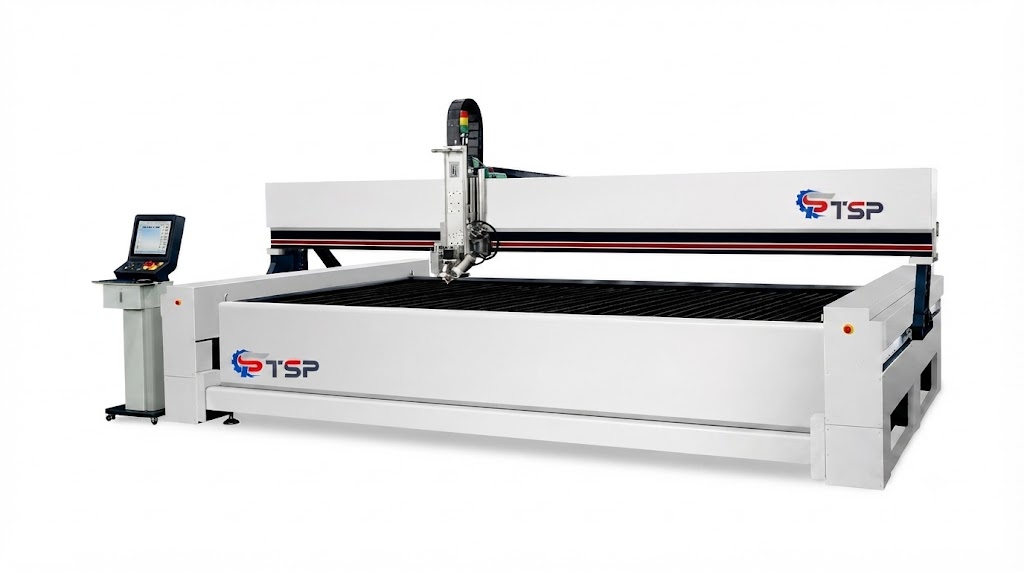
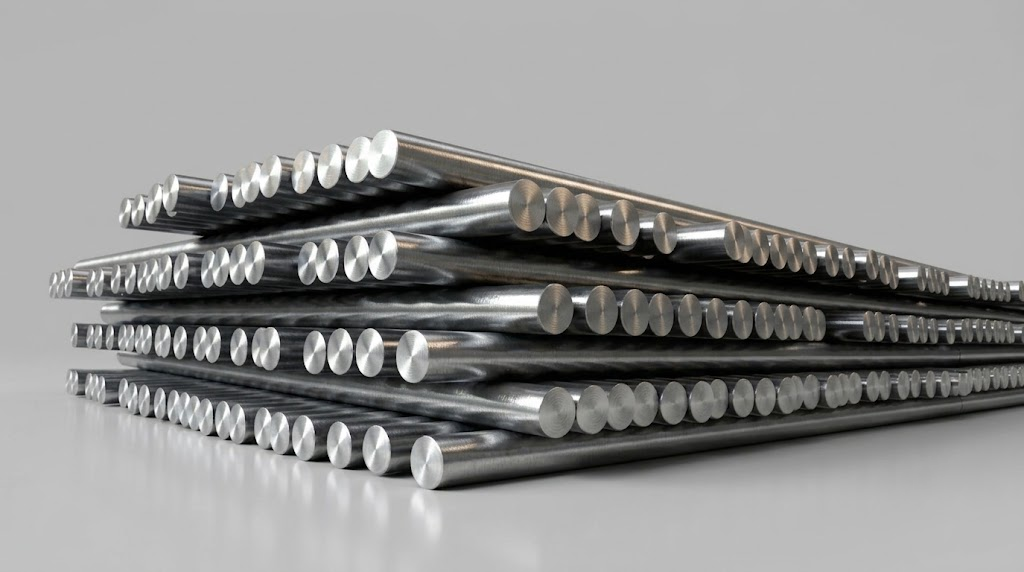
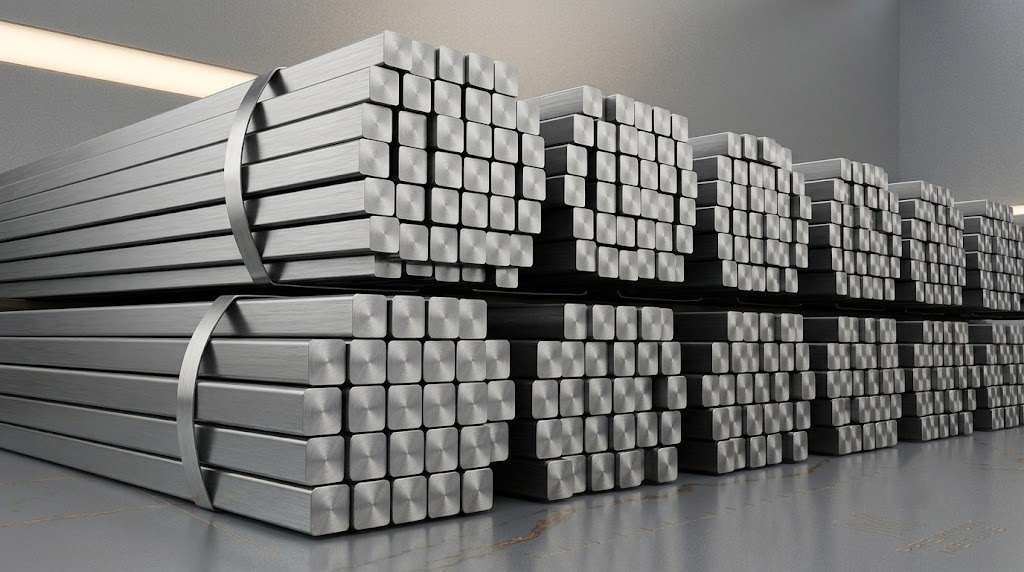
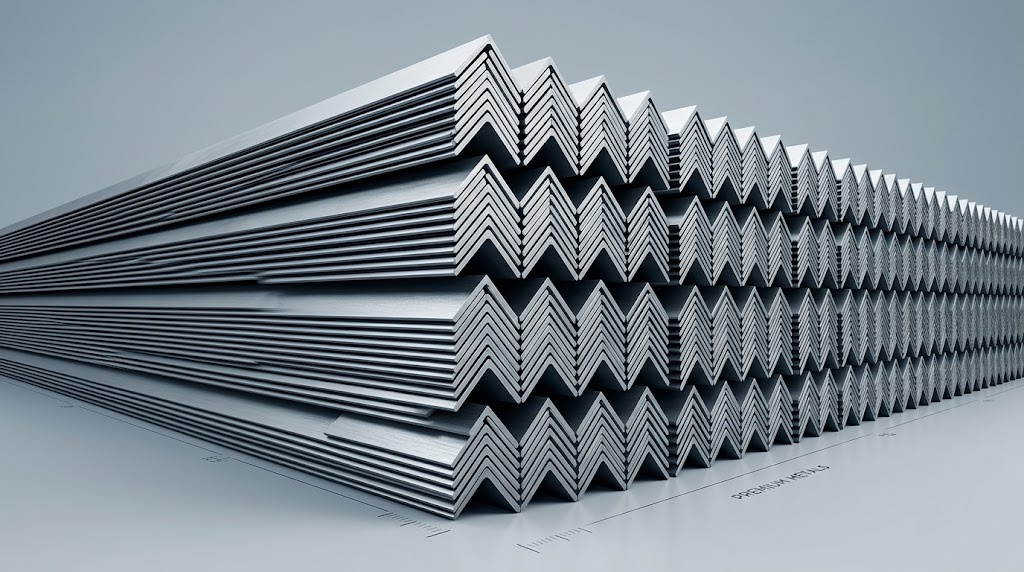
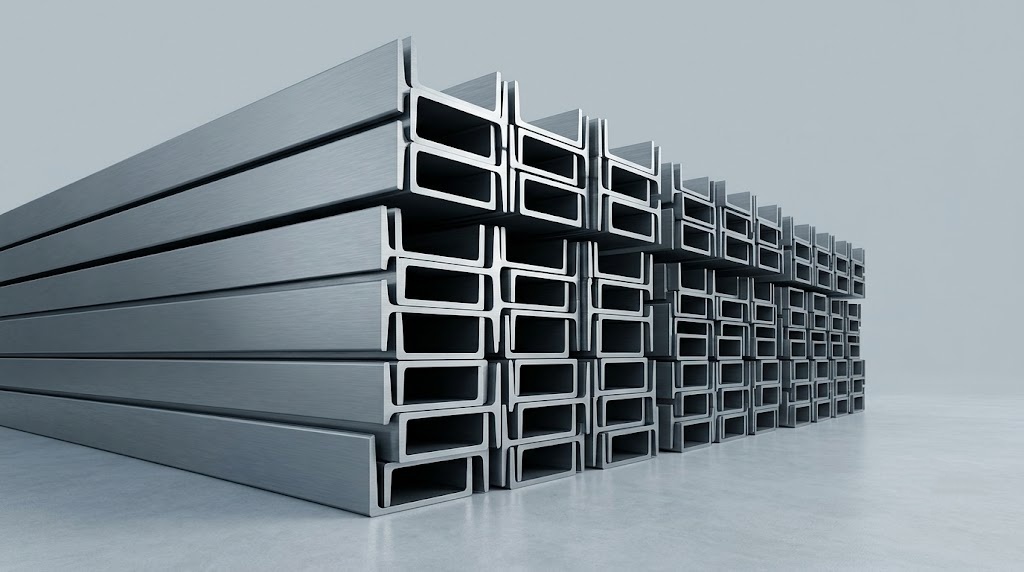
The steel structure industry is developing rapidly as manufacturers demand higher precision, faster production, and more efficient material utilization. From steel buildings and warehouses to bridges, industrial facilities, and large-scale construction projects, accurate metal cutting is an essential part of the manufacturing process.
Traditional cutting methods can meet basic production requirements, but they often face limitations in cutting speed, precision, flexibility, and operating costs.
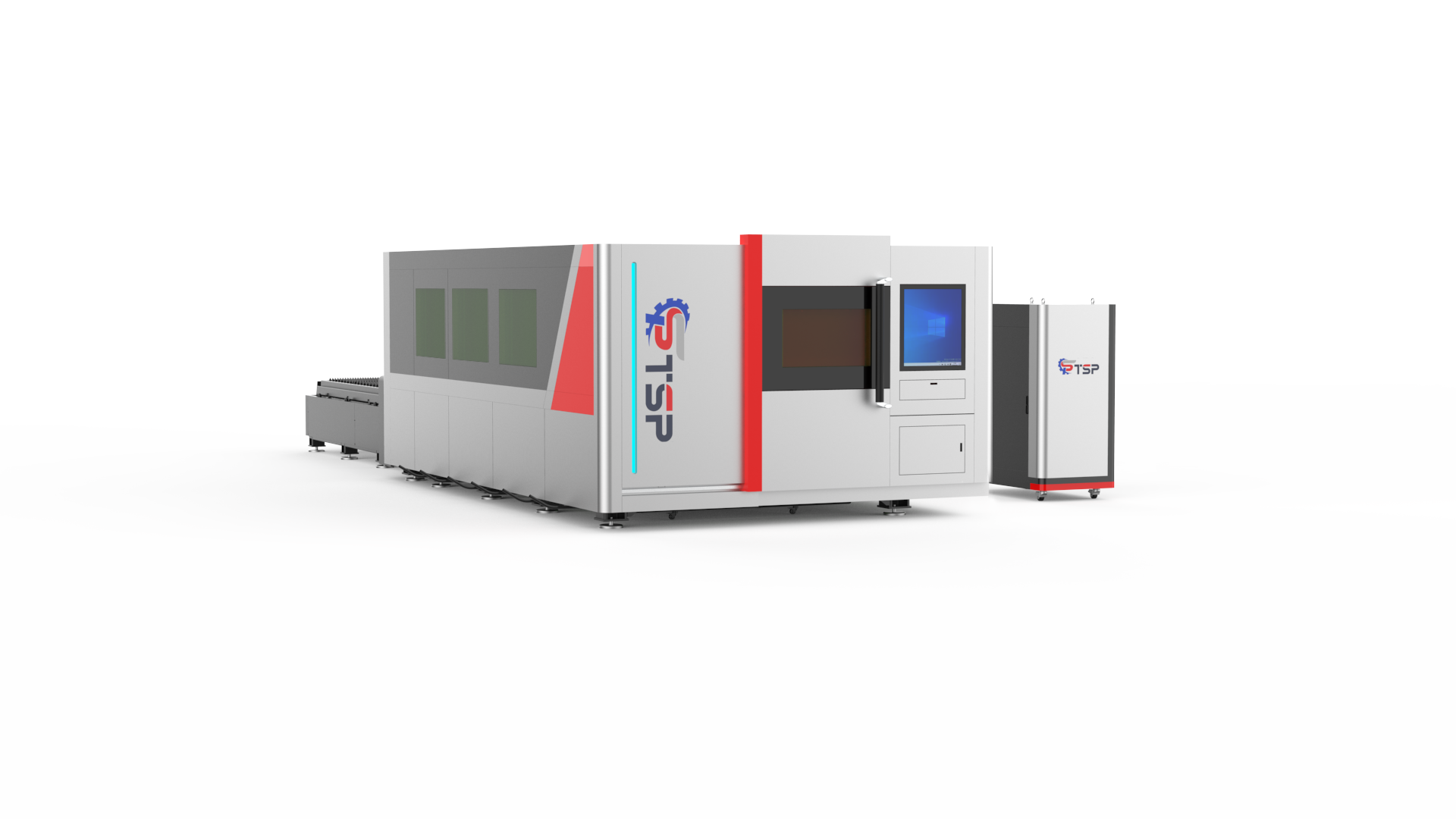
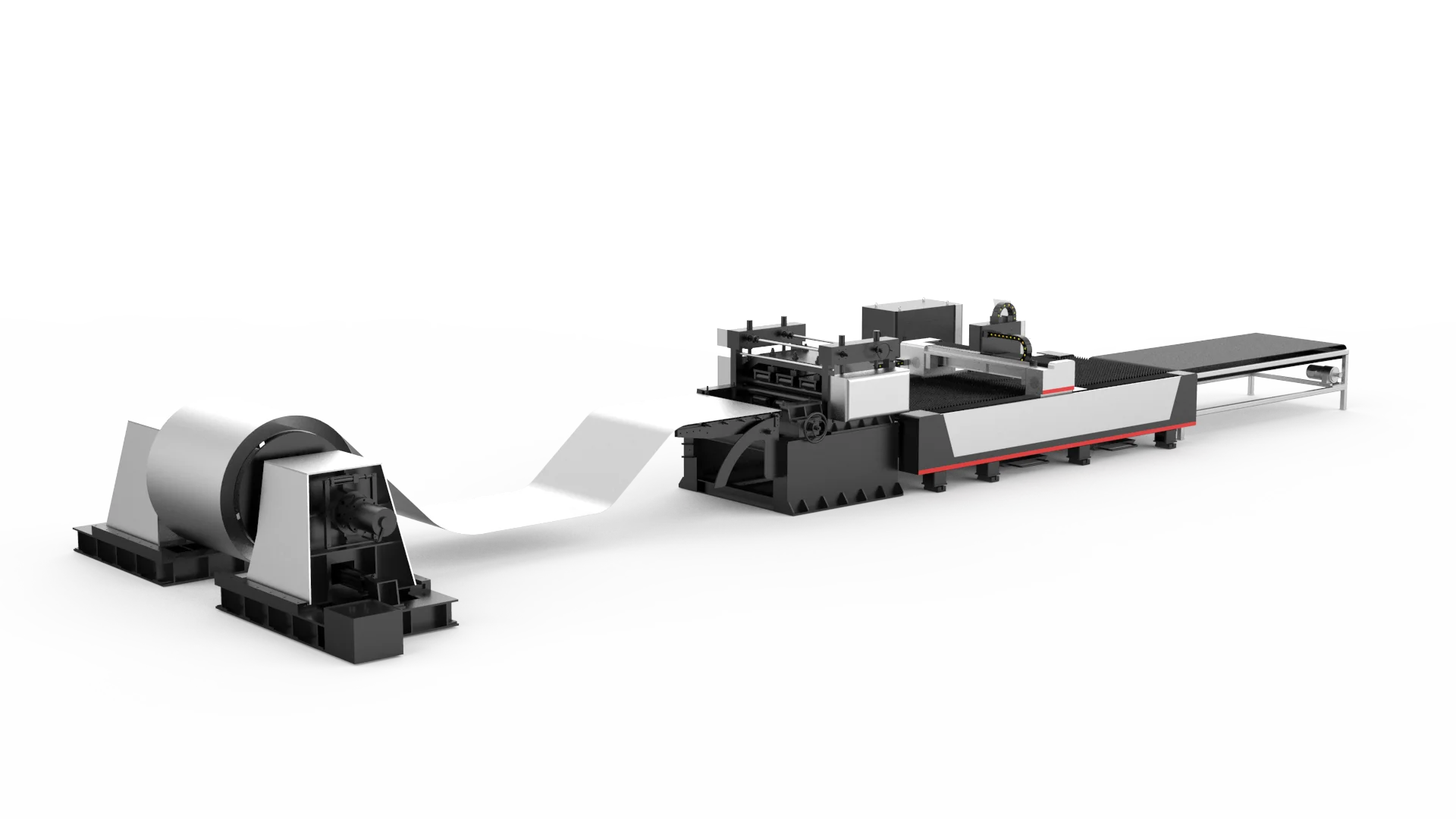
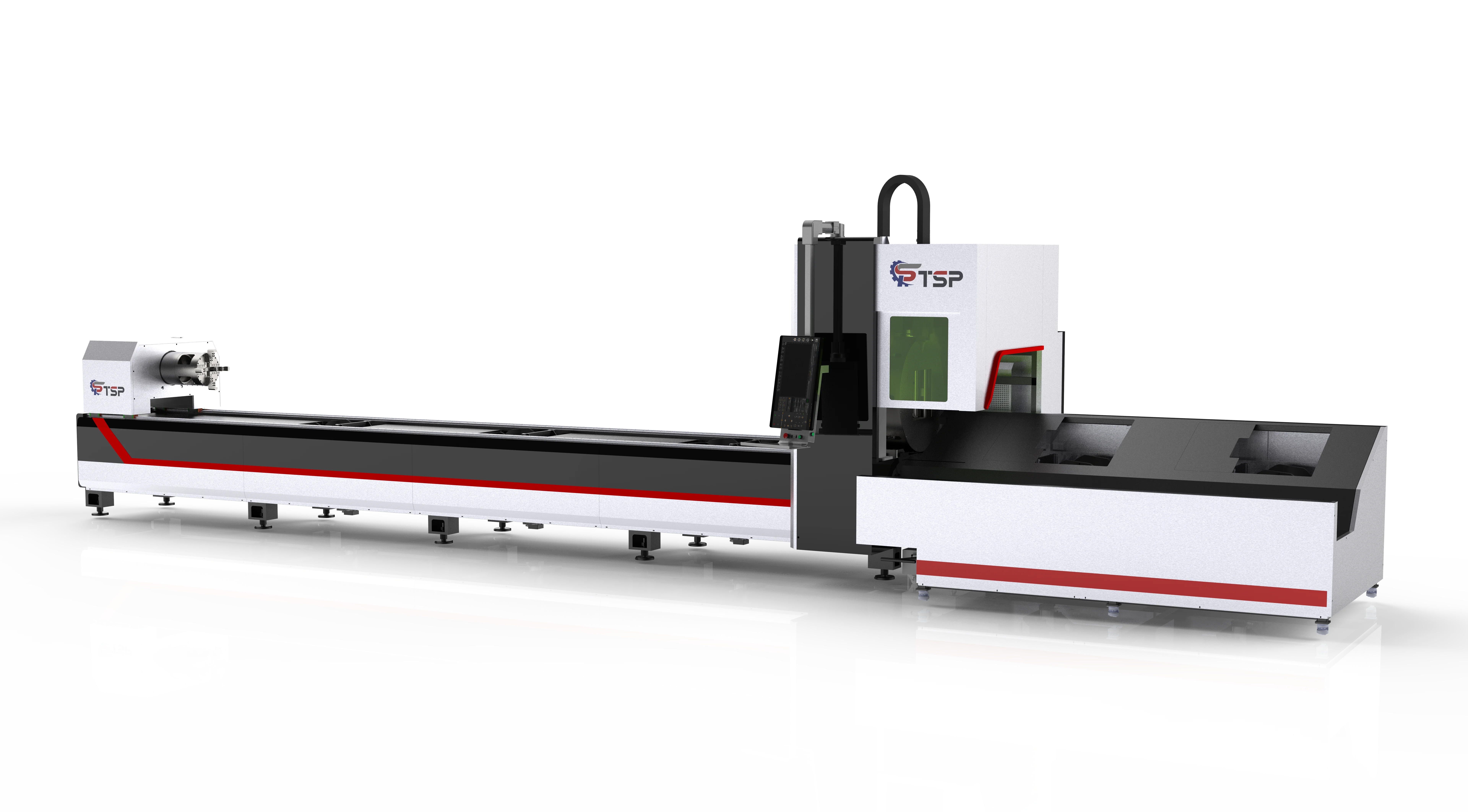
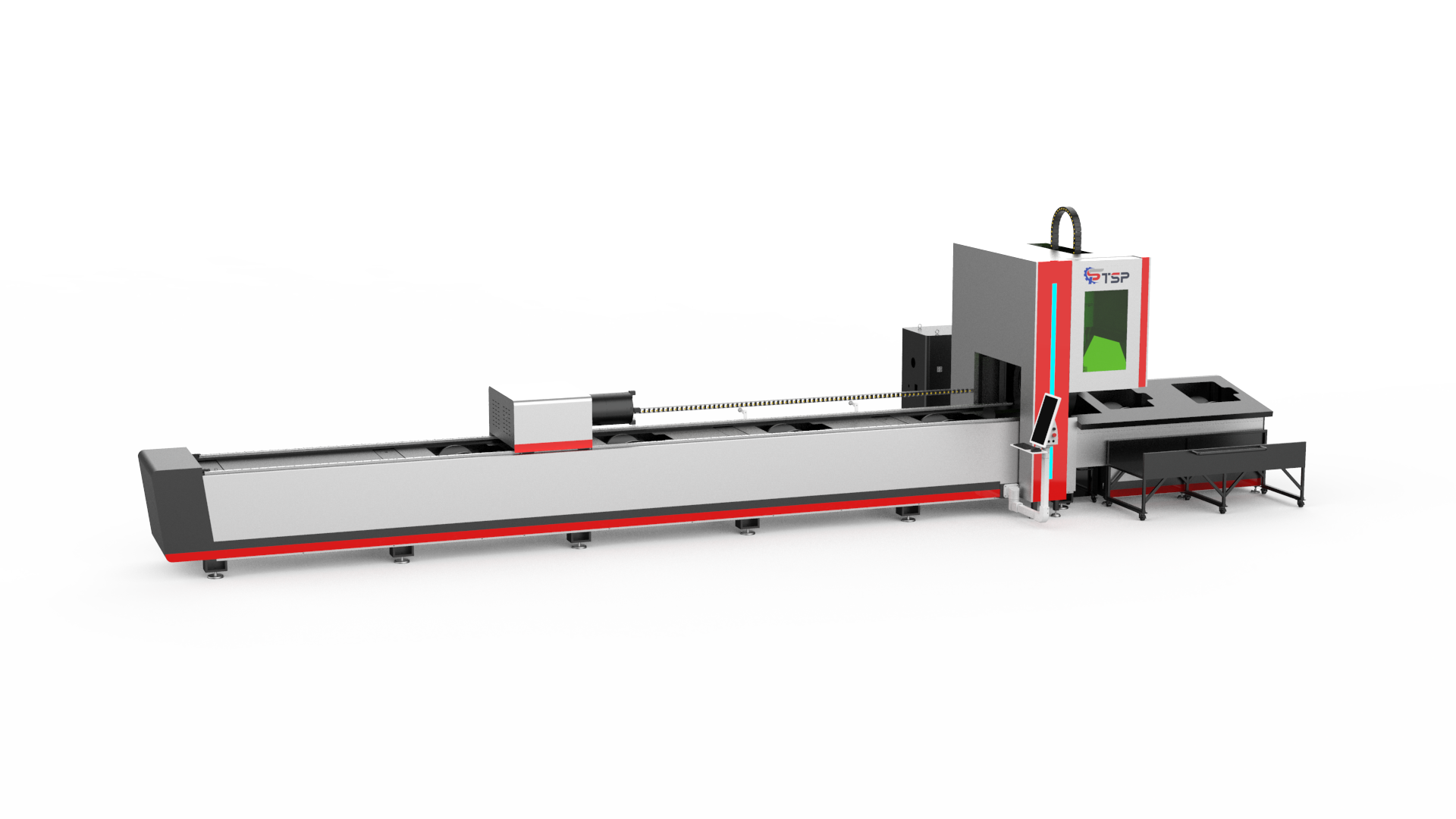
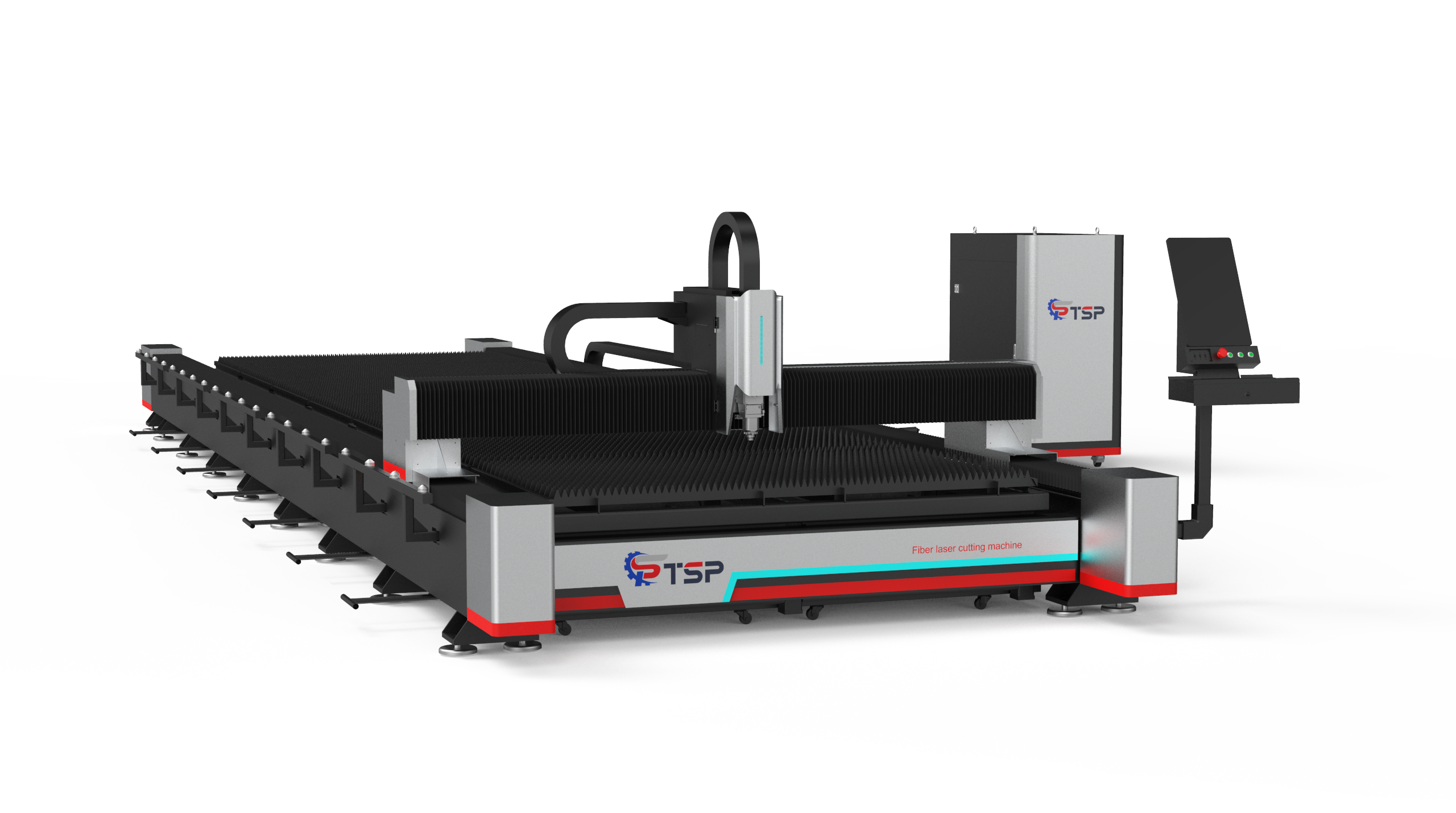
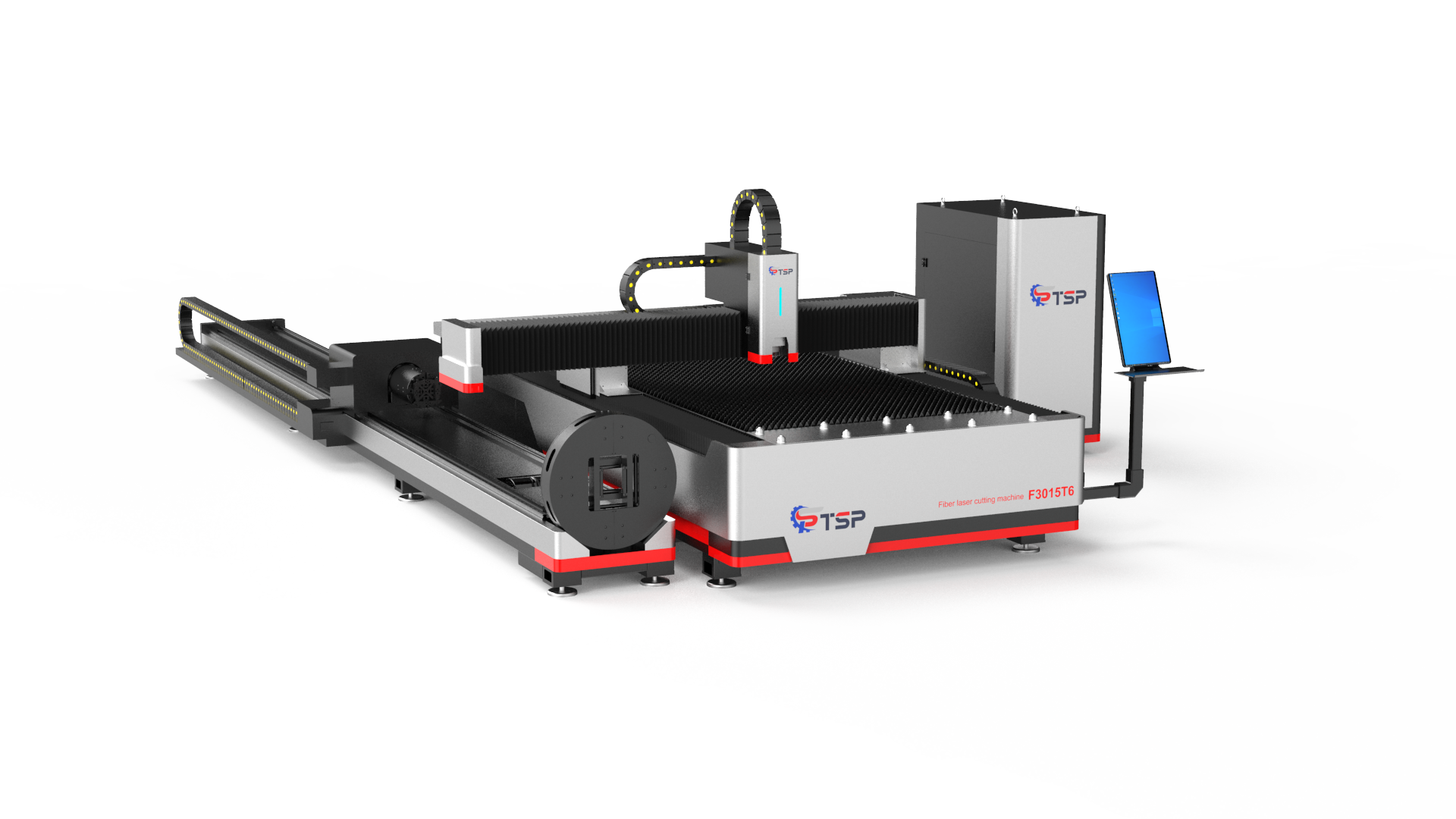
Fiber laser cutting machines are becoming an important solution for modern steel structure manufacturing.
With advanced laser technology, manufacturers can process carbon steel, stainless steel, aluminum, and other metal materials with high precision and stable performance. For companies looking to improve production efficiency while maintaining consistent cutting quality, laser cutting technology offers significant advantages.
Why Laser Cutting Is Important for Steel Structure Manufacturing
Steel structure production usually involves a large number of metal plates, tubes, profiles, and customized components. These parts must be cut accurately before welding, bending, assembly, and installation.
A small dimensional error during the cutting process can affect the subsequent manufacturing stages. Poor cutting quality may result in additional grinding, rework, material waste, and increased production costs.
Laser cutting helps manufacturers improve this process through:
- High cutting precision
- Fast processing speeds
- Consistent cutting quality
- Flexible processing of different shapes
- Reduced secondary processing
- Better material utilization
- Easy CNC operation
- Lower maintenance requirements compared with many traditional cutting methods
For modern steel structure manufacturers, these advantages can directly improve production efficiency and overall competitiveness.
1. High Precision for Steel Components
Precision is critical in steel structure manufacturing.
Structural components often need to fit together accurately during welding and assembly. Laser cutting machines use CNC-controlled movement and a focused laser beam to produce precise cutting paths according to digital drawings.
This allows manufacturers to produce complex shapes, holes, slots, and customized components with consistent dimensions.
For steel structure workshops, improved cutting accuracy can reduce problems during:
- Welding
- Component assembly
- Structural installation
- Bolt-hole positioning
- Customized fabrication
The result is a more efficient production workflow from cutting to final assembly.
2. Faster Cutting for Higher Production Efficiency
Large steel structure projects often require hundreds or even thousands of components.
Production speed therefore has a direct impact on delivery time.
Compared with many conventional cutting methods, fiber laser cutting can provide high processing speeds, especially when processing thin and medium-thickness metal sheets.
Modern high-power laser cutting machines can further improve productivity when processing thicker carbon steel plates.
For manufacturers handling large production volumes, faster cutting means that more components can be completed within the same production period.
This can help reduce production bottlenecks and improve overall workshop efficiency.
3. Excellent Cutting Quality
Cutting quality is another important factor in steel structure manufacturing.
A high-quality laser cutting process can produce clean and accurate edges with minimal thermal deformation when the machine is properly configured for the material and thickness.
This can reduce the need for additional grinding or edge finishing.
For manufacturers, reducing secondary processing means:
Cut → Inspect → Weld → Assemble
instead of spending additional time on unnecessary post-processing.
This can save both labor and production time.
4. Flexible Processing of Different Steel Materials
Steel structure manufacturers rarely work with only one type of material.
Depending on the project, they may process:
- Carbon steel
- Stainless steel
- Aluminum
- Galvanized steel
- Mild steel
- Different steel profiles and tubes
Fiber laser cutting machines can be configured with different laser powers, cutting heads, gas systems, and machine structures to meet different processing requirements.
This flexibility makes laser cutting suitable for a wide range of steel fabrication applications.
5. Laser Cutting for Steel Plates
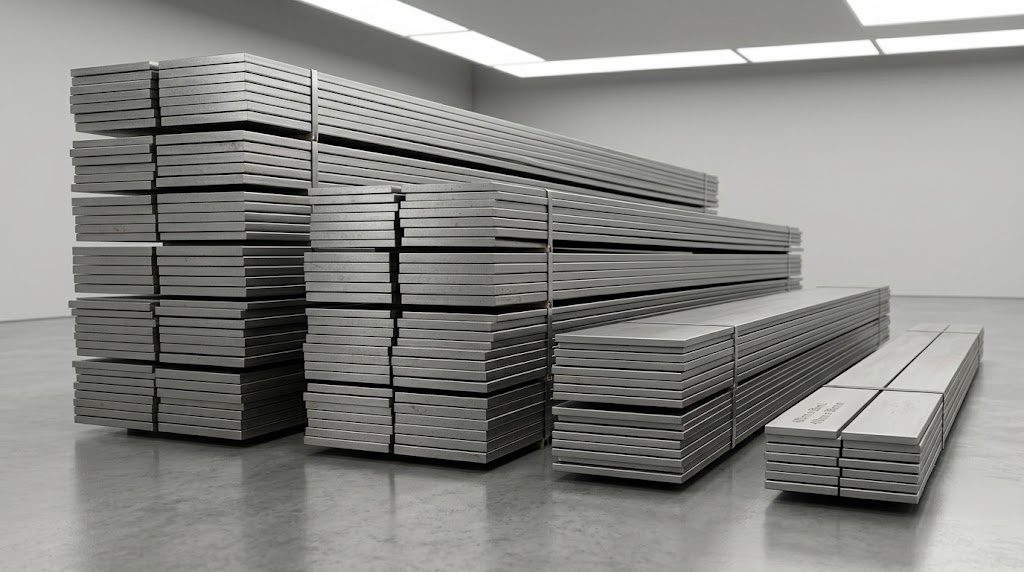
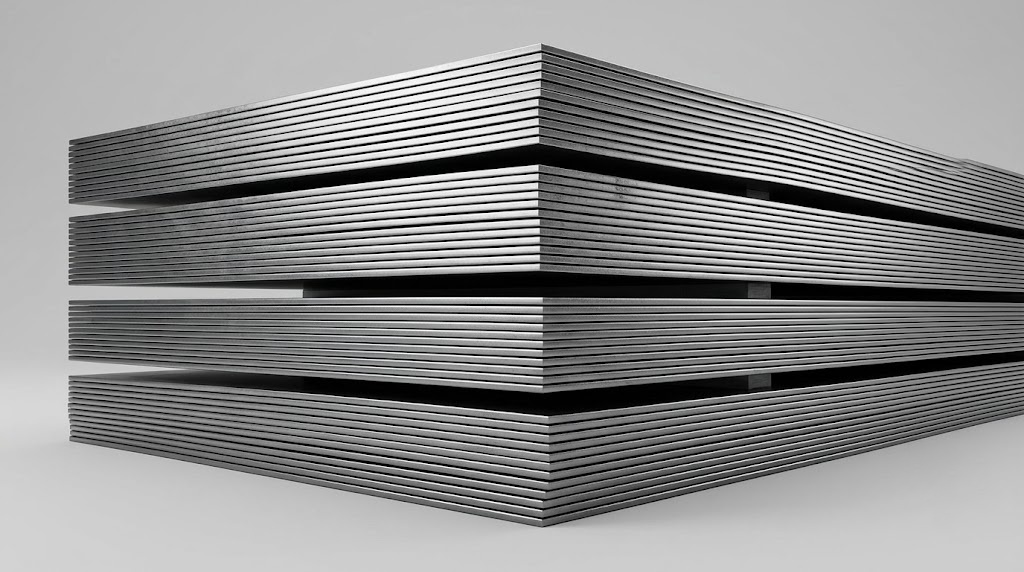
Steel plates are widely used in structural columns, beams, brackets, connection plates, base plates, and customized components.
A CNC fiber laser cutting machine can directly process digital drawings and cut different component shapes without requiring complicated tooling.
For example, manufacturers can use laser cutting to produce:
- Connection plates
- Base plates
- Gusset plates
- Mounting plates
- Structural brackets
- Customized steel components
The ability to quickly switch between different cutting patterns is especially valuable for customized steel structure projects.
6. Laser Cutting for Steel Tubes and Profiles
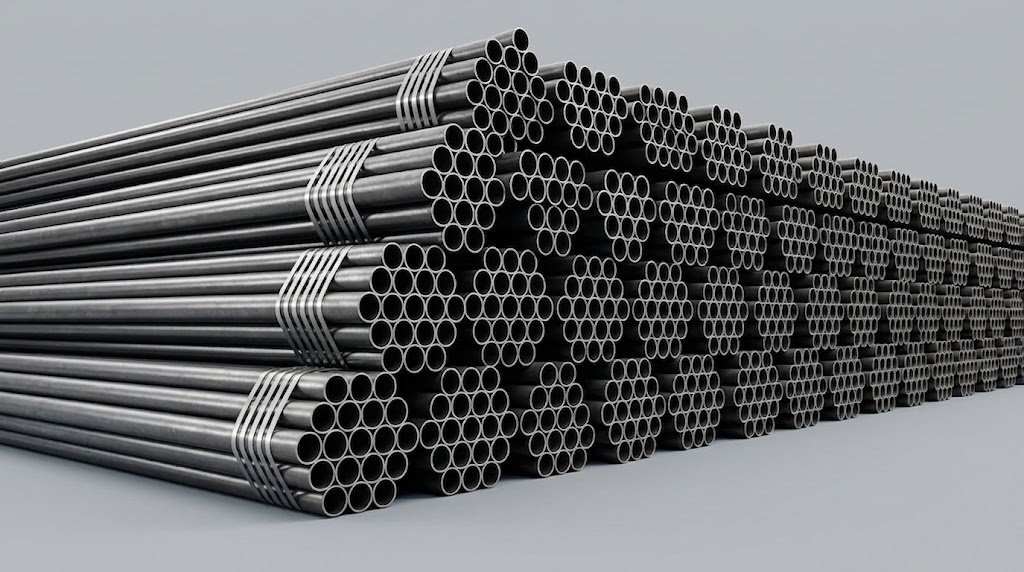
Modern steel structures increasingly use square tubes, rectangular tubes, round tubes, H-beams, channels, and other profiles.
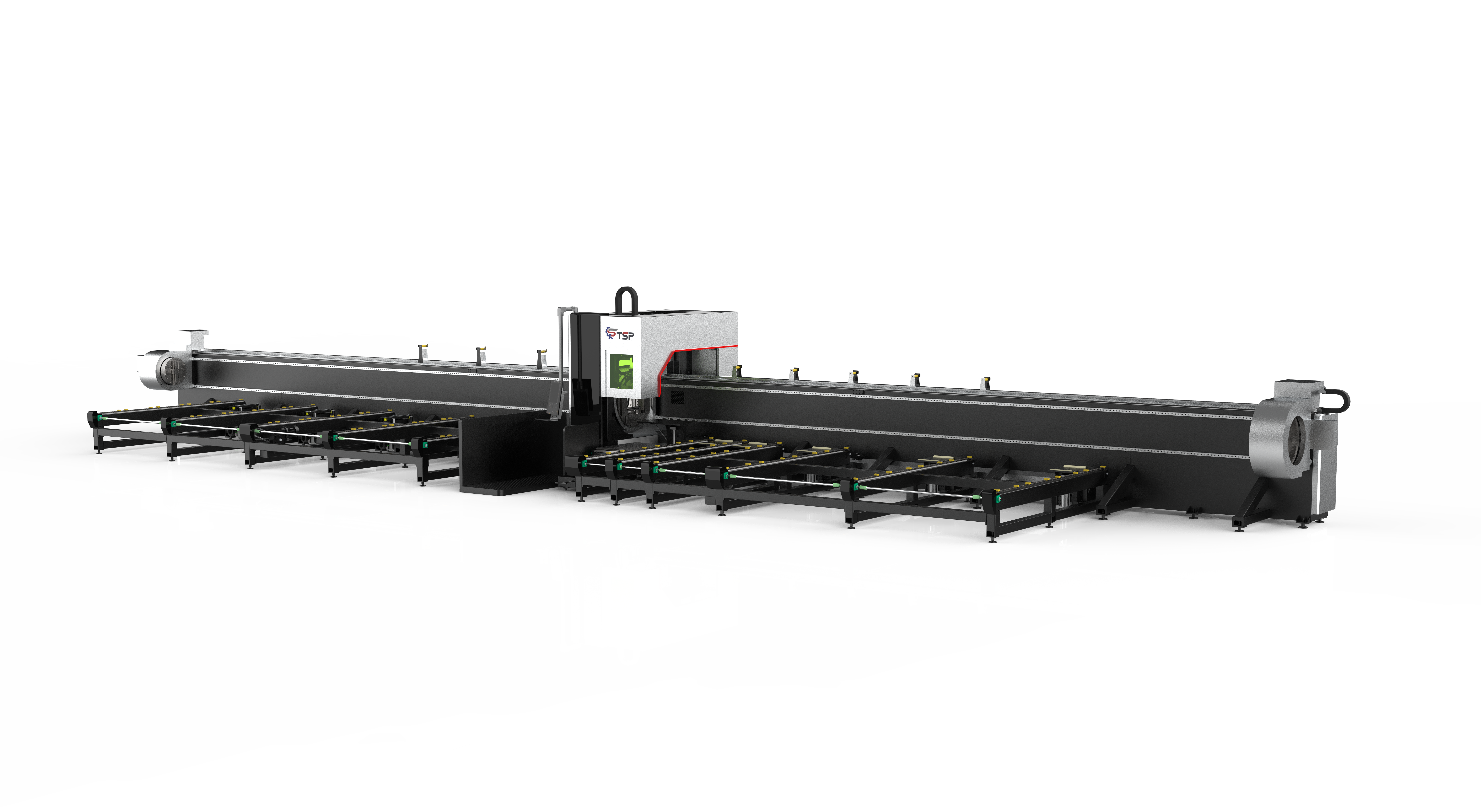
This has created a growing demand for fiber laser tube cutting machines.
Laser tube cutting technology allows manufacturers to cut holes, slots, angles, and complex contours directly onto metal tubes and profiles.
This is particularly useful for:
- Steel frame structures
- Industrial buildings
- Warehouses
- Agricultural buildings
- Metal staircases
- Railings
- Machinery frames
- Construction components
With automated loading and unloading systems, tube laser cutting machines can further improve production efficiency for high-volume manufacturing.
7. Reduced Material Waste
Material cost is one of the major expenses in steel fabrication.
Traditional cutting processes may generate significant scrap, especially when producing complex components.
Modern CNC laser cutting software can optimize cutting layouts and nesting patterns to improve material utilization.
Better nesting means more components can be produced from the same sheet of steel.
For manufacturers processing large quantities of steel every month, even a small improvement in material utilization can generate meaningful cost savings.
8. Lower Labor Requirements
Modern laser cutting machines are highly automated.
Operators can import CAD drawings, configure cutting parameters, position the material, and monitor the cutting process through a CNC control system.
Automation reduces the amount of manual work required during production.
Depending on the machine configuration, automatic focusing, automatic edge finding, nesting software, automatic loading, and unloading systems can further reduce operator involvement.
This is particularly valuable for steel structure manufacturers facing rising labor costs or difficulties in recruiting skilled workers.
9. Suitable for Customized Steel Structure Production
Not every steel structure project uses standardized components.
Many projects require customized dimensions and unique component designs.
With CNC laser cutting, manufacturers can simply modify the digital drawing and send the new cutting program to the machine.
There is no need to manufacture a new cutting die for every design.
This makes laser cutting particularly suitable for:
- Custom steel structures
- Small-batch production
- Prototype components
- Engineering projects
- Customized construction components
- Complex structural parts
The flexibility of digital production allows manufacturers to respond more quickly to changing customer requirements.
10. Improving the Overall Production Workflow
The value of a laser cutting machine is not limited to the cutting process itself.
It can become an important part of a complete digital manufacturing workflow.
A typical process can be:
CAD Design → Nesting → Laser Cutting → Inspection → Welding → Assembly → Surface Treatment → Installation
When cutting accuracy and production efficiency improve at the beginning of the process, subsequent manufacturing stages can also become more efficient.
This is one of the reasons why laser cutting technology is becoming increasingly important in modern steel fabrication.
How to Choose a Laser Cutting Machine for Steel Structures
Different steel structure manufacturers have different production requirements. Choosing the correct laser cutting machine therefore requires consideration of several factors.
Material
Determine whether you mainly process carbon steel, stainless steel, aluminum, galvanized steel, or other materials.
Maximum Thickness
The required laser power should be selected according to the maximum material thickness you regularly process.
For example, manufacturers processing thin sheet metal may require a different configuration from companies regularly cutting thick carbon steel plates.
Sheet Size
Common working areas include 3015, 4020, 6020, 6025, and larger customized formats.
The machine size should match your typical steel plate dimensions.
Production Volume
For high-volume production, higher laser power, automation, automatic loading and unloading, and advanced nesting software may provide better overall efficiency.
Tube and Profile Processing
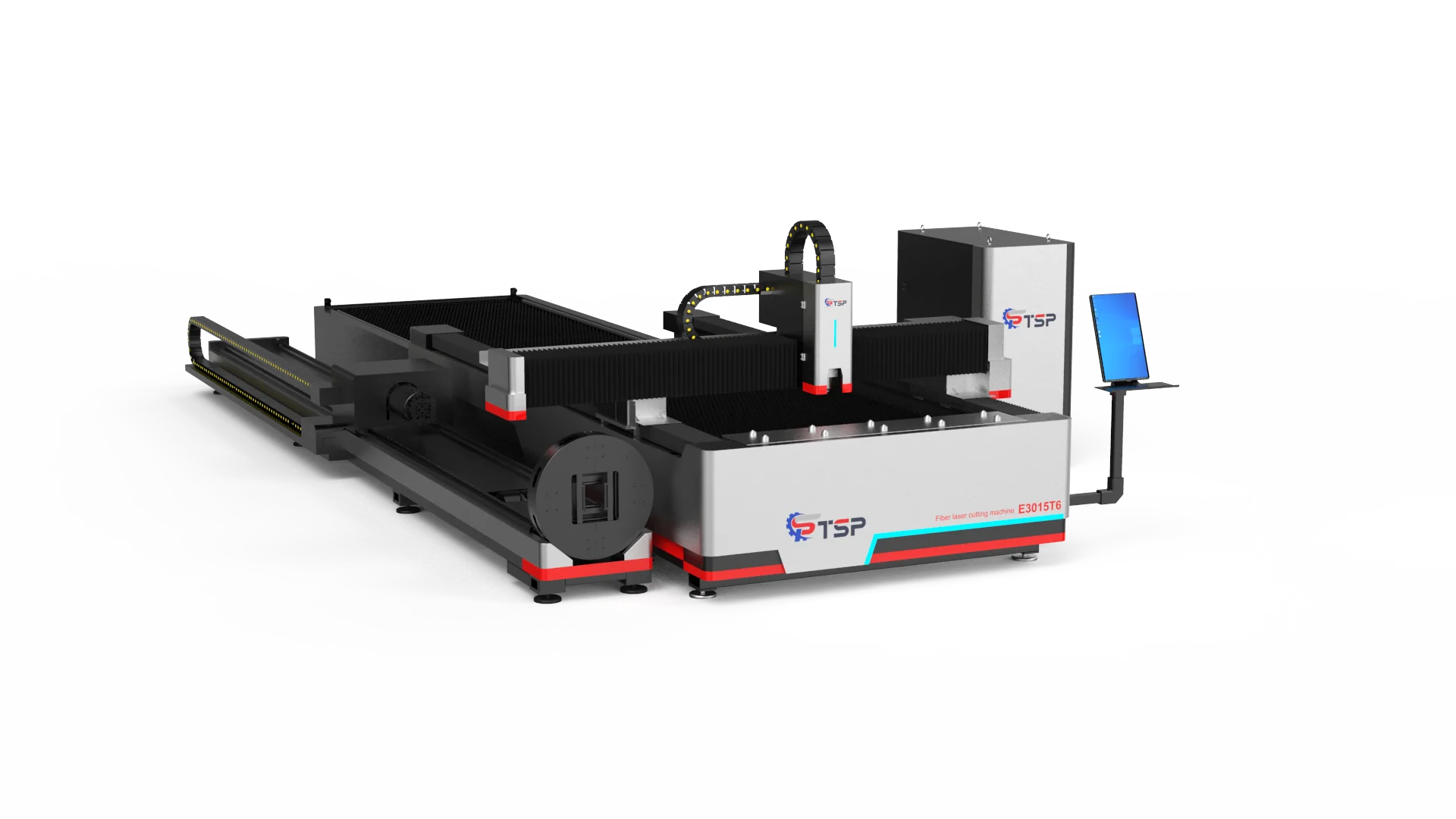
If your business involves steel tubes and profiles, a dedicated tube laser cutting machine or a sheet-and-tube combination machine may be a better choice.
After-Sales Service
Laser cutting equipment is a long-term investment.
Before purchasing, manufacturers should also consider technical support, installation, operator training, spare parts availability, and after-sales service.
TSP Laser: Fiber Laser Cutting Solutions for Steel Fabrication
TSP Laser is an integrated manufacturing and trading company specializing in laser cutting equipment and other industrial laser solutions.
We provide fiber laser cutting machines for customers in different industries and markets, including metal fabrication, steel structure manufacturing, machinery production, construction, and customized metal processing.
Our product range includes:
- Fiber laser cutting machines
- Tube laser cutting machines
- Laser welding machines
- Laser cleaning machines
- Laser marking machines
Our fiber laser cutting solutions are available in different configurations and power levels to meet various metal processing requirements.
We focus on providing practical equipment solutions based on the customer’s material, thickness, working area, production volume, and application.
For international buyers, choosing a laser cutting machine is not simply about purchasing a machine. It is about finding a reliable long-term manufacturing partner who can provide suitable equipment, technical support, installation guidance, and after-sales service.
The Future of Steel Structure Manufacturing
The steel structure industry is moving toward higher automation, greater production efficiency, and more intelligent manufacturing.
Laser cutting technology will continue to play an important role in this development.
As manufacturers face increasing demands for shorter delivery times, higher precision, customized production, and better cost control, traditional cutting processes are gradually being supplemented or replaced by more advanced CNC laser solutions.
For steel structure manufacturers, investing in the right fiber laser cutting machine can help improve cutting quality, increase production efficiency, reduce material waste, and create a more flexible manufacturing process.
Laser cutting is no longer simply a cutting method. It is becoming an important part of modern steel fabrication.
If you are looking for a fiber laser cutting machine for steel structure manufacturing, TSP Laser can help you select a suitable configuration based on your material, thickness, production requirements, and budget.
Contact TSP Laser to discuss your steel cutting requirements and find the right laser cutting solution for your business.