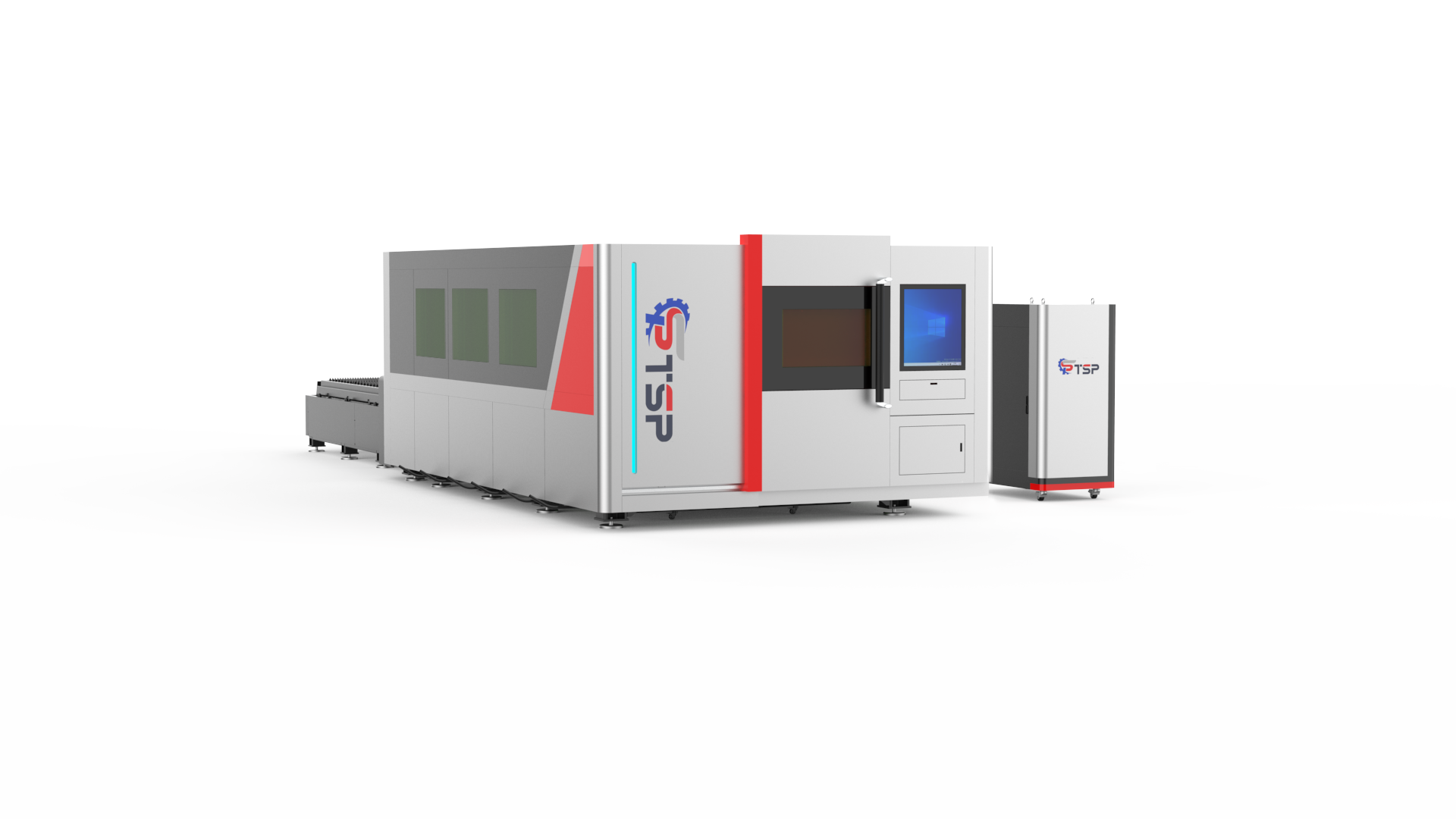

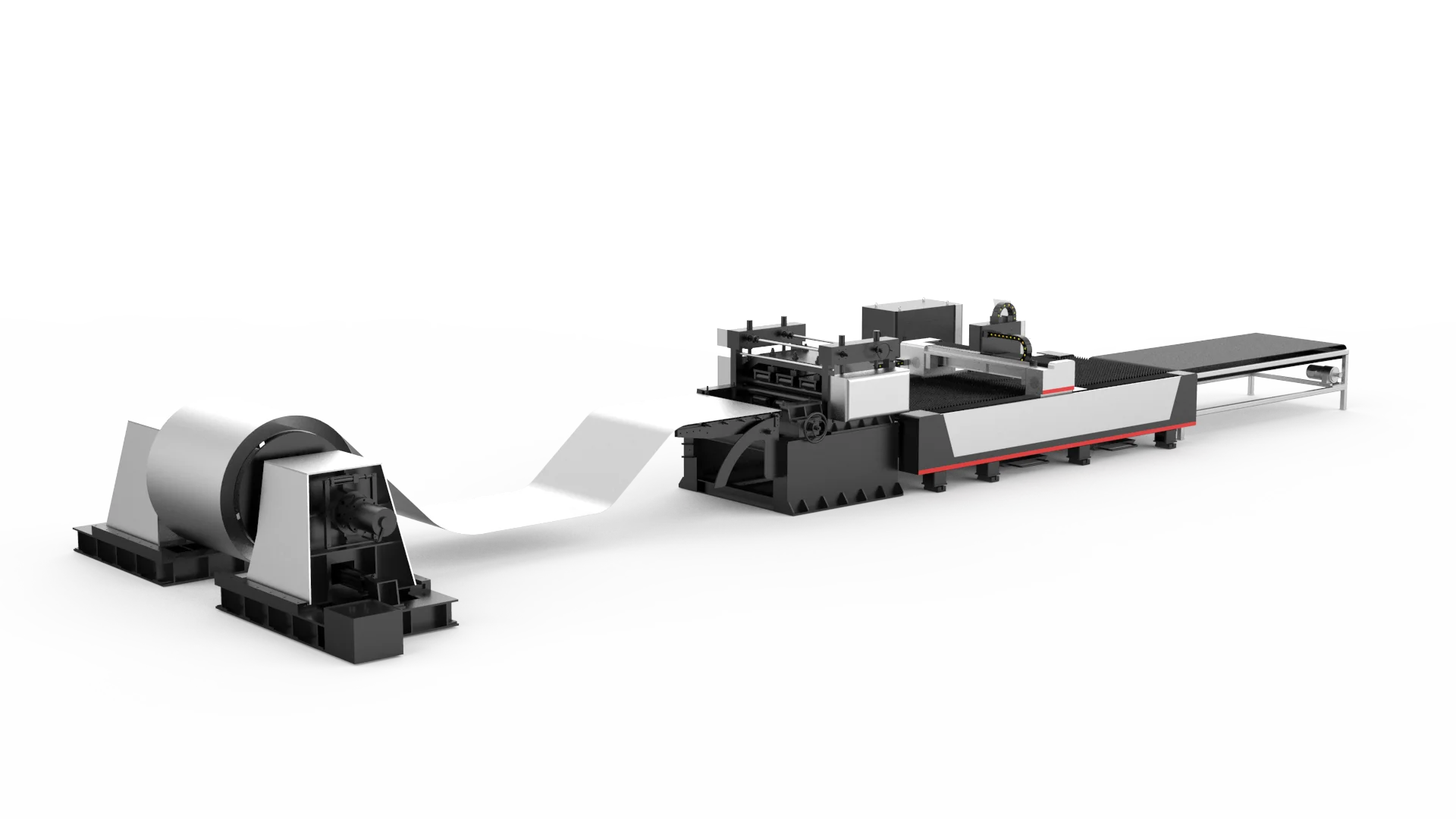
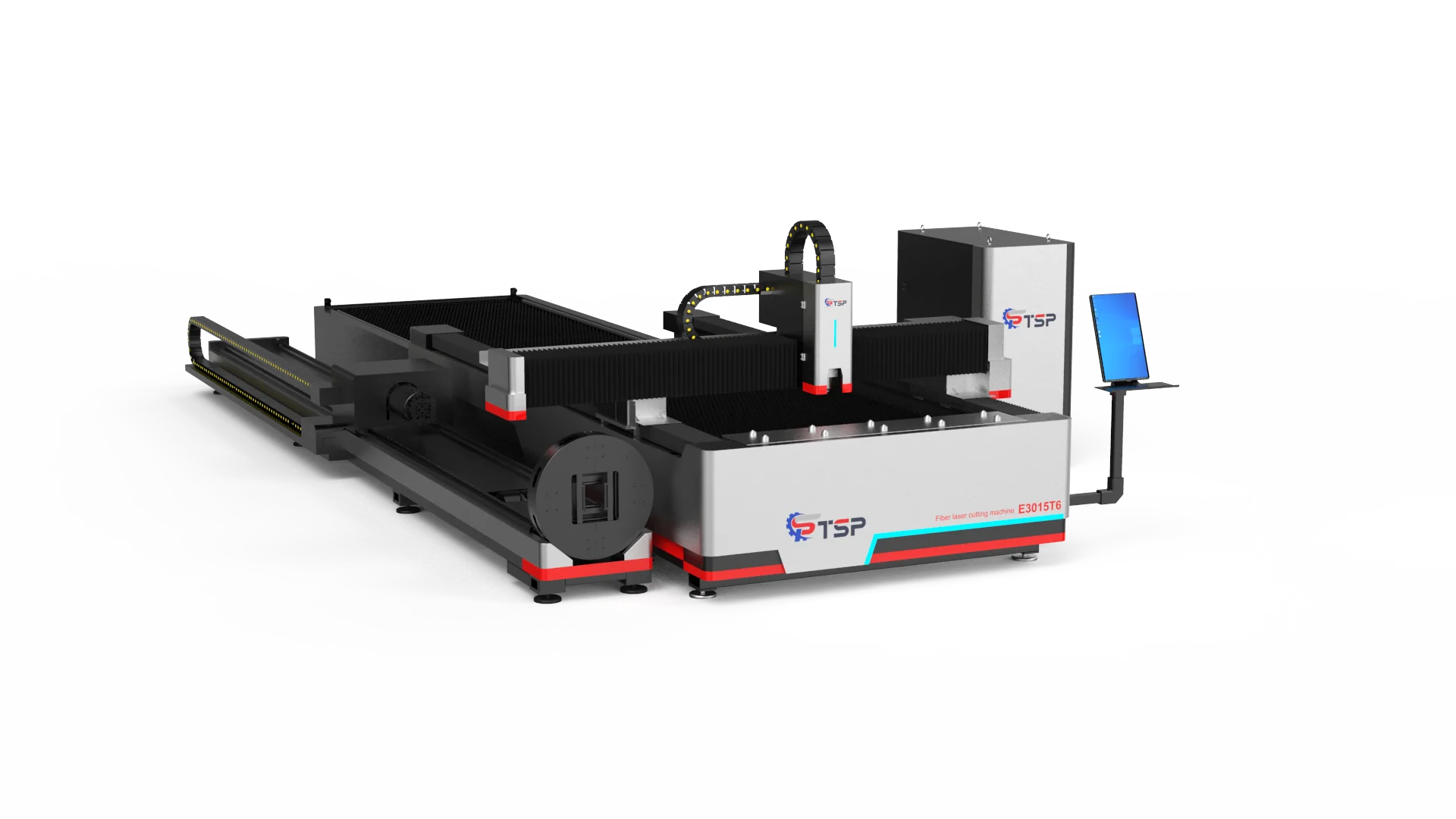
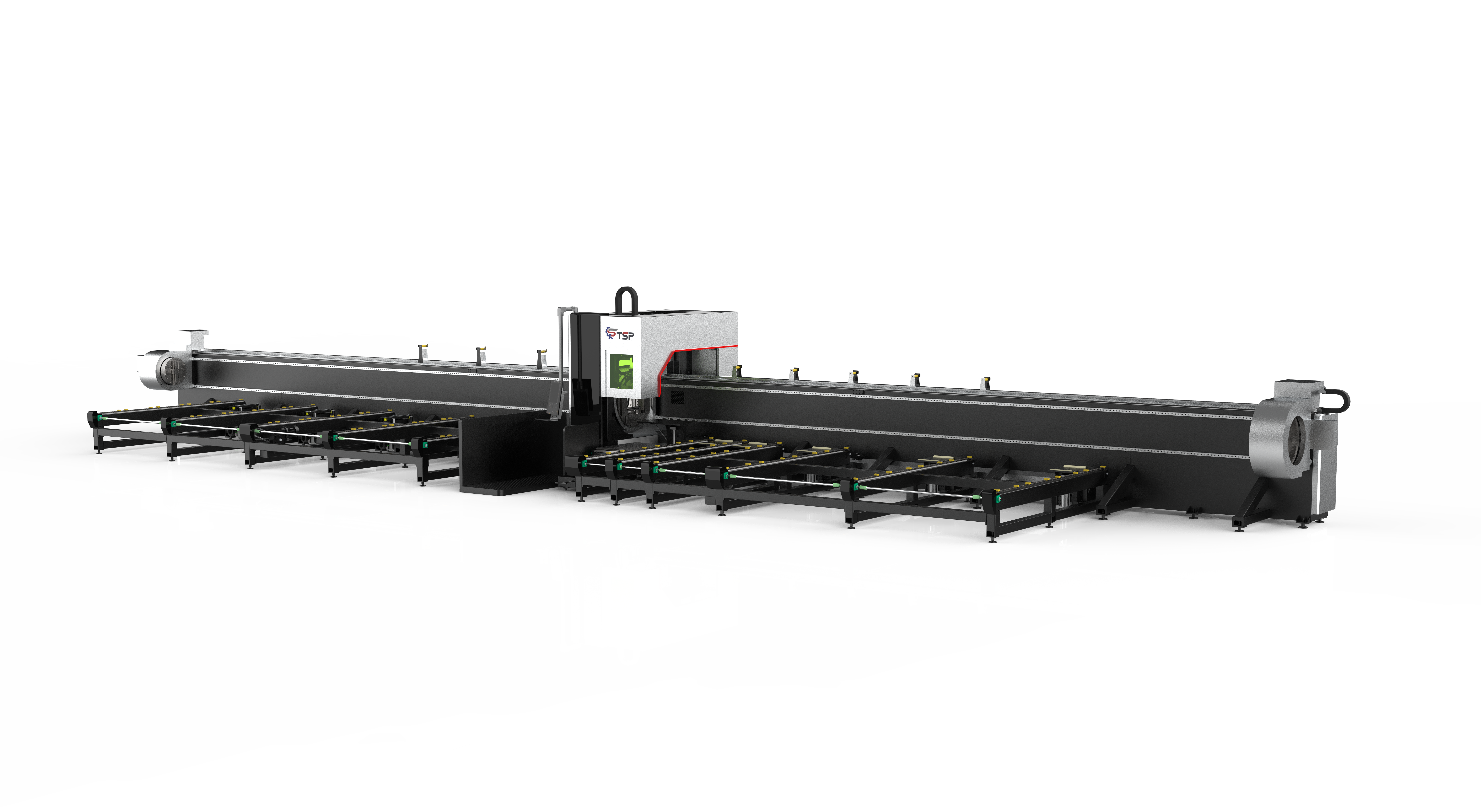
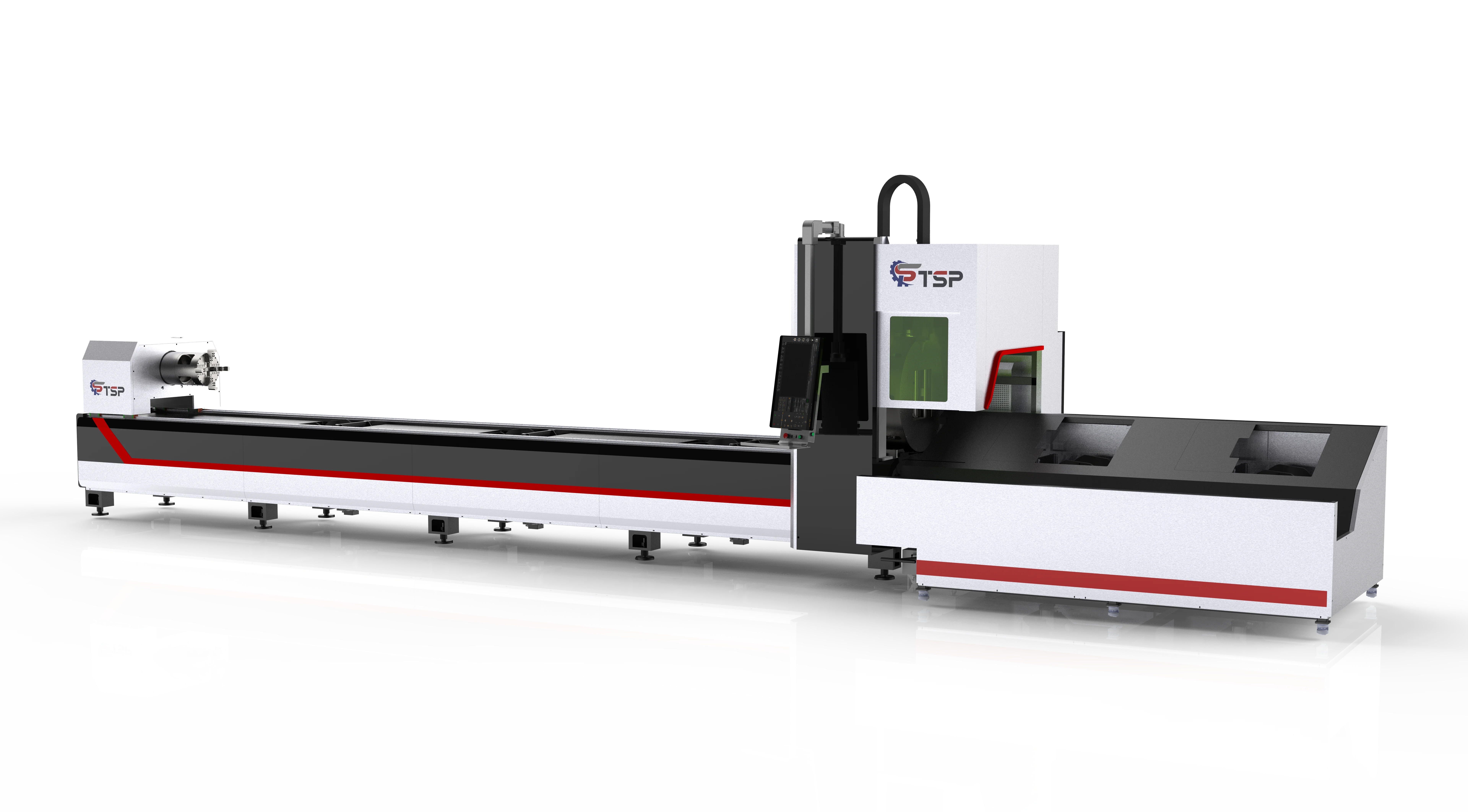
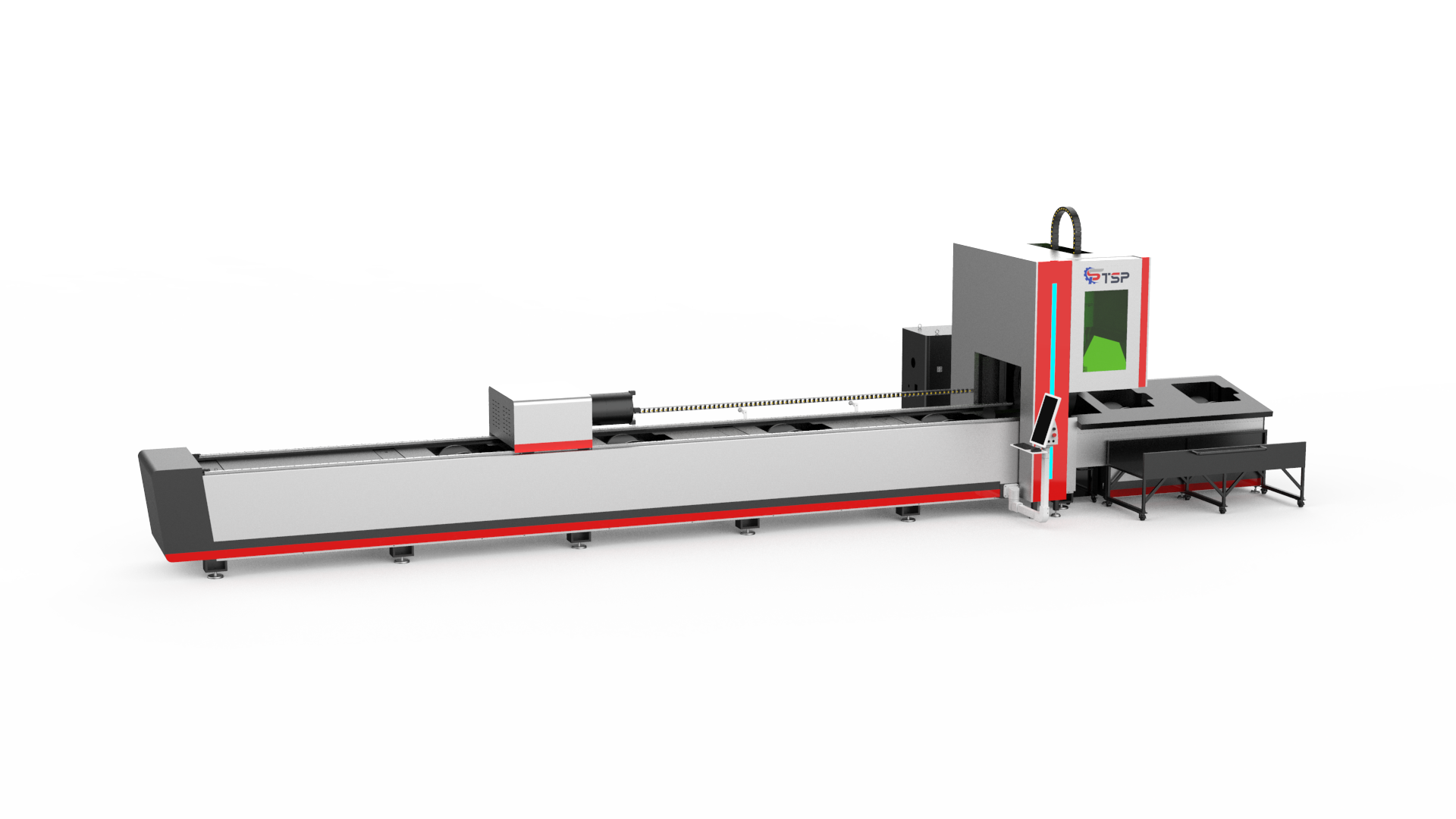
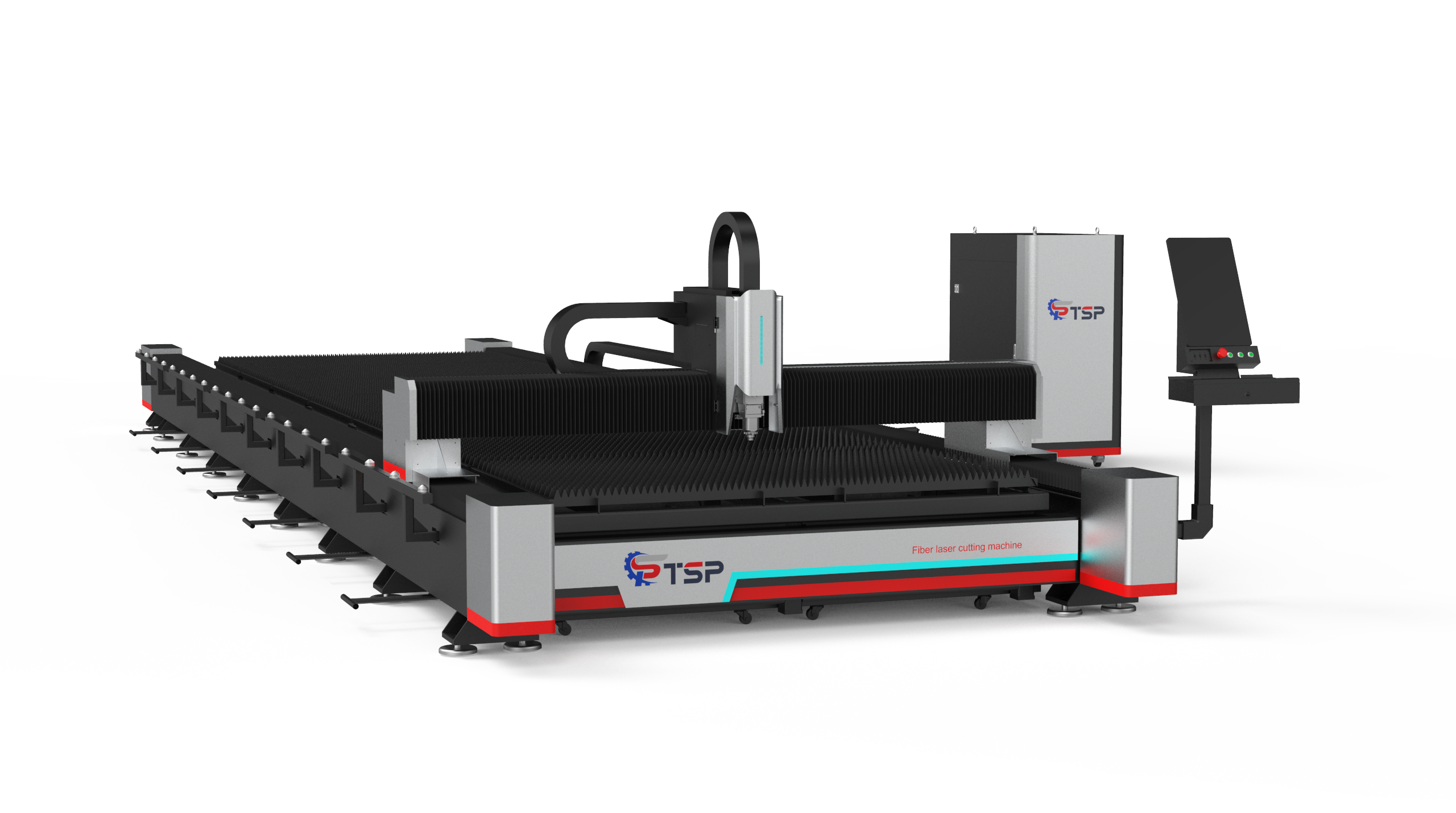
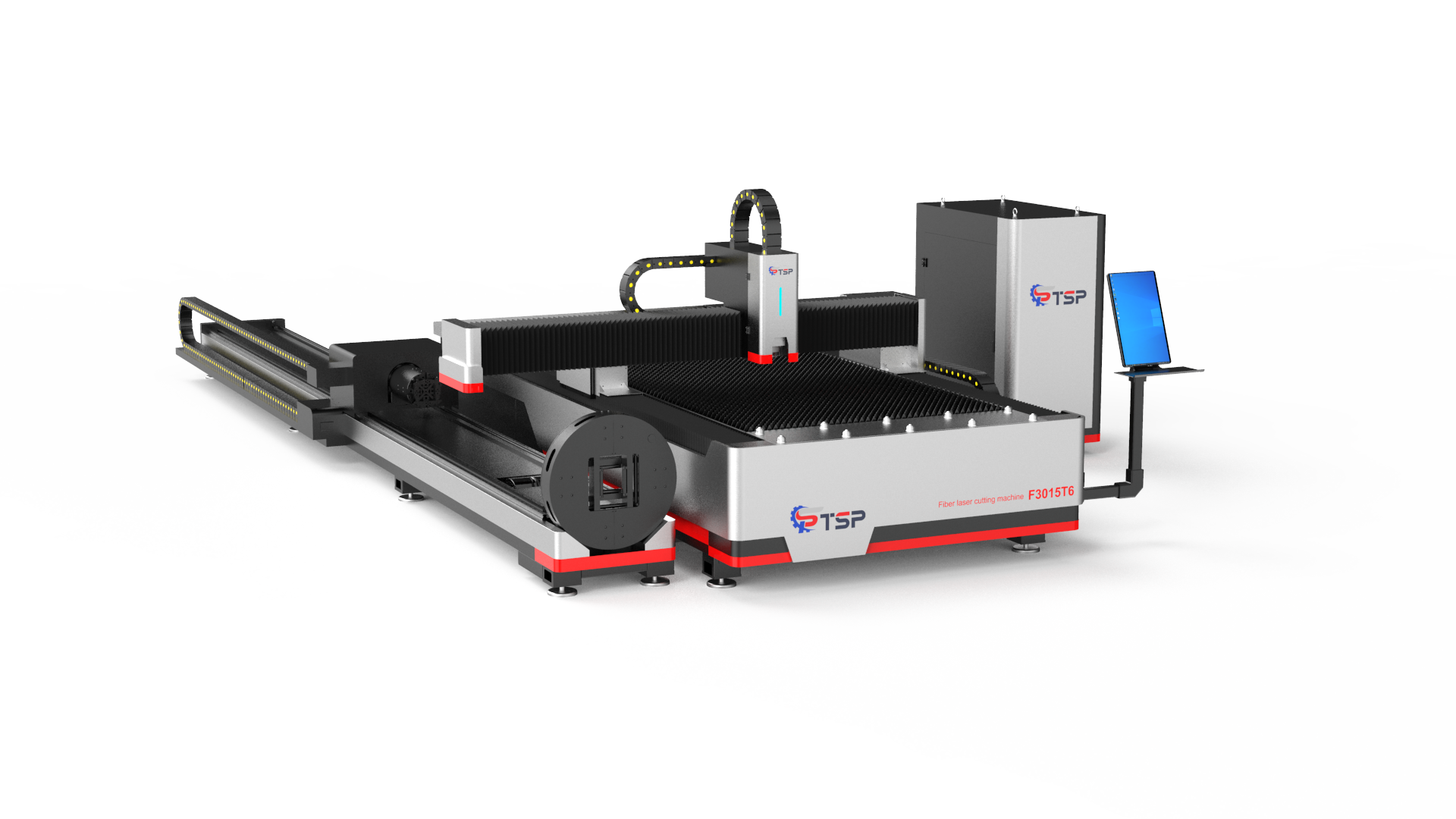


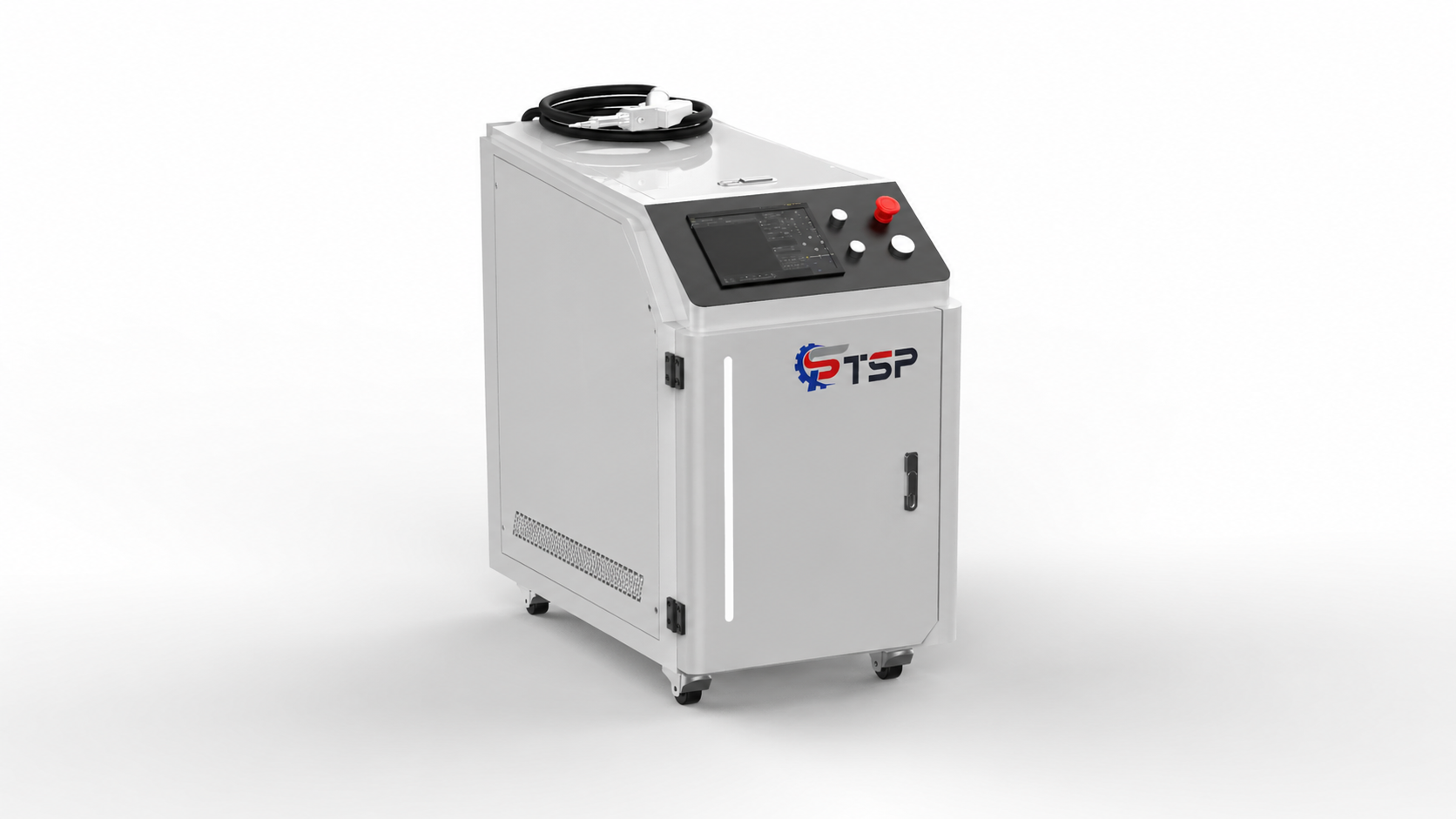
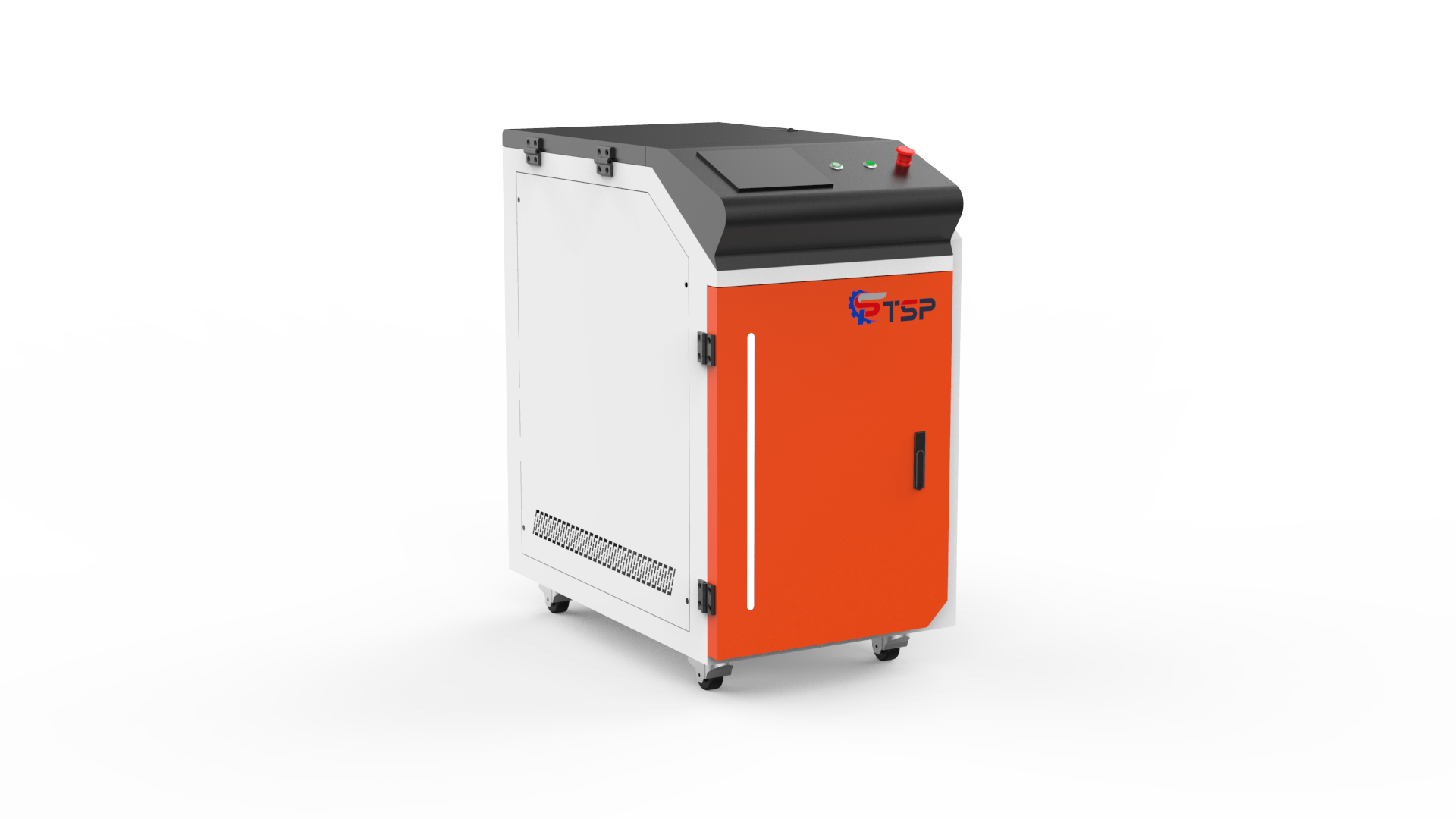
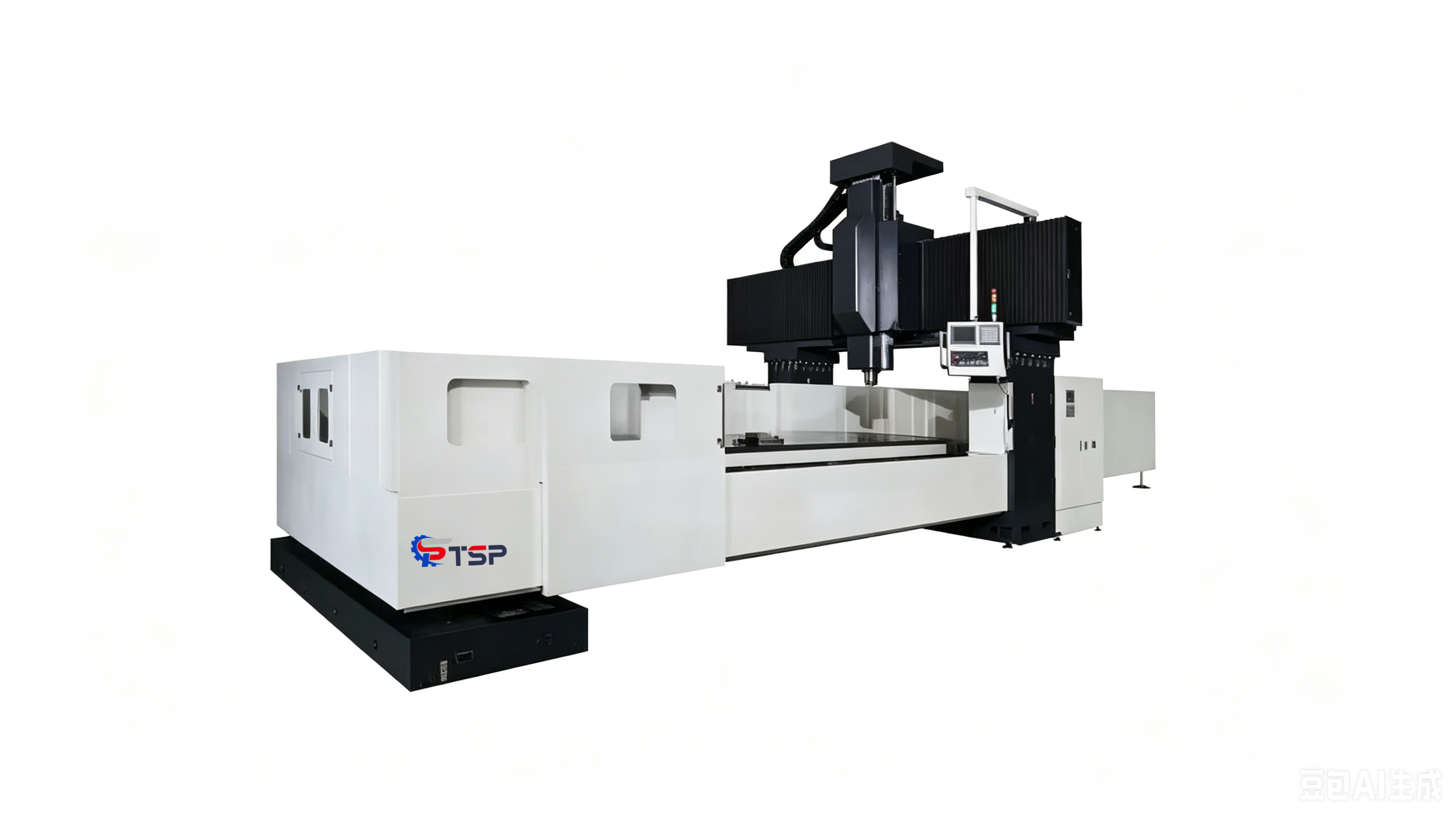
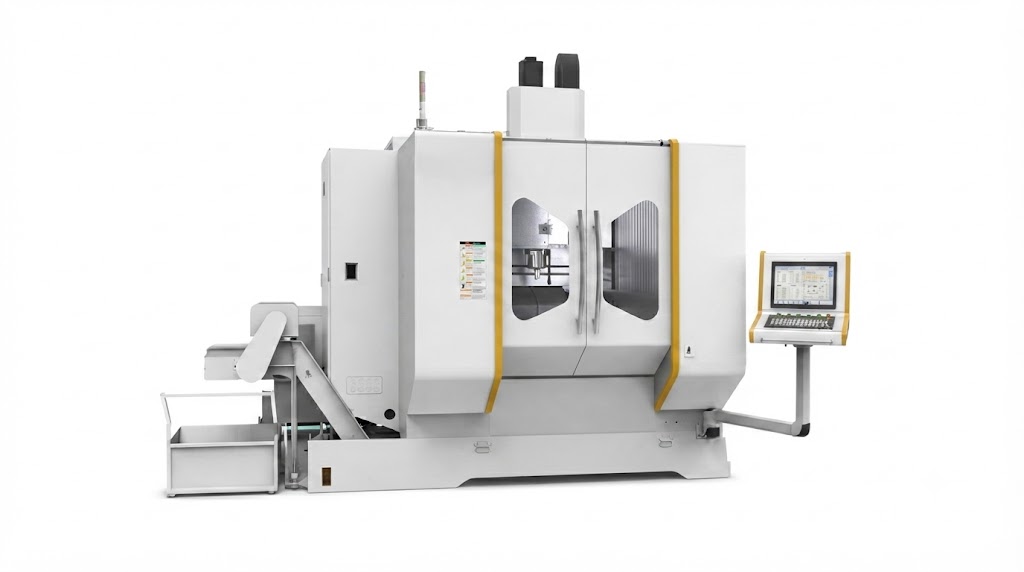
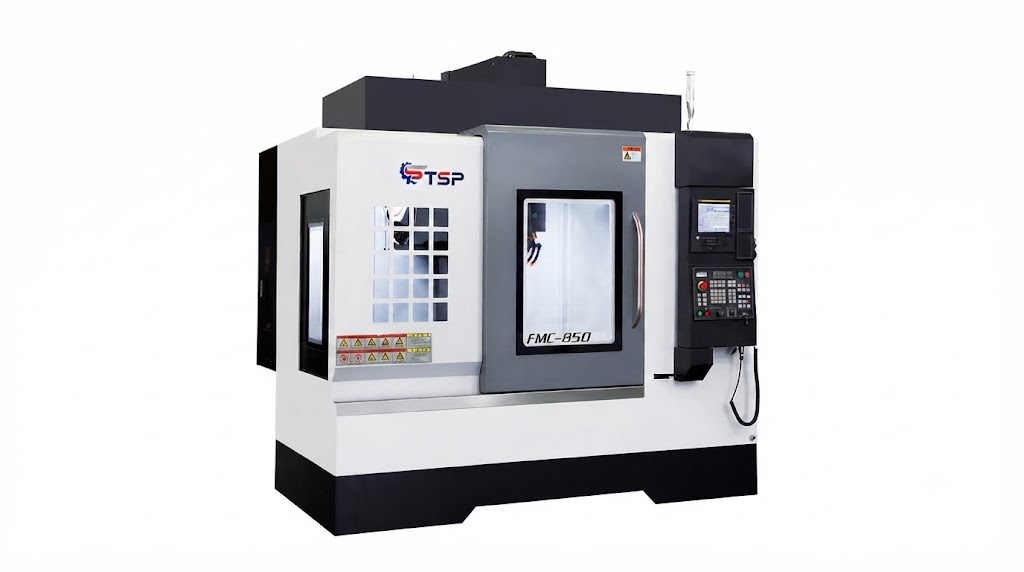
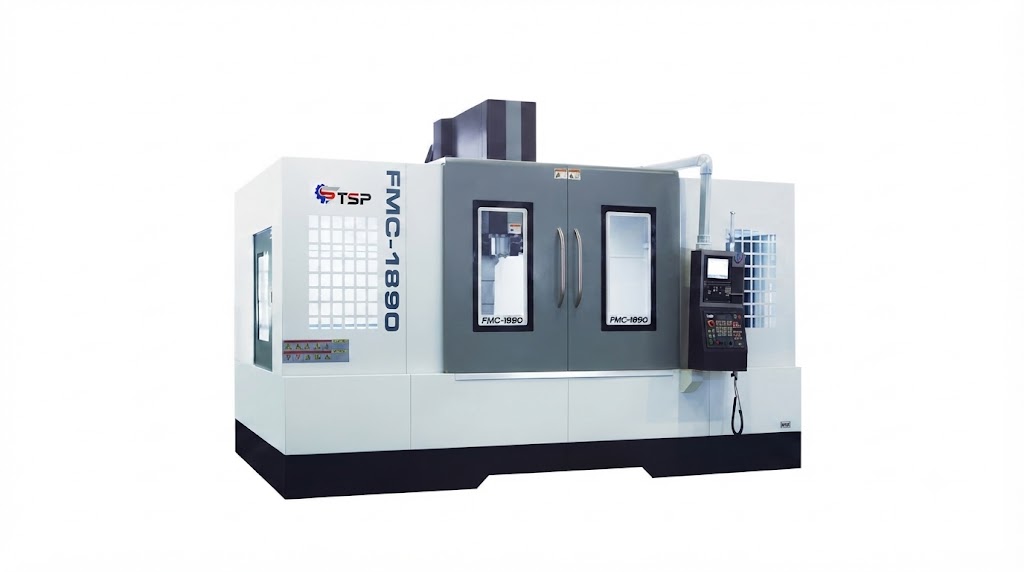
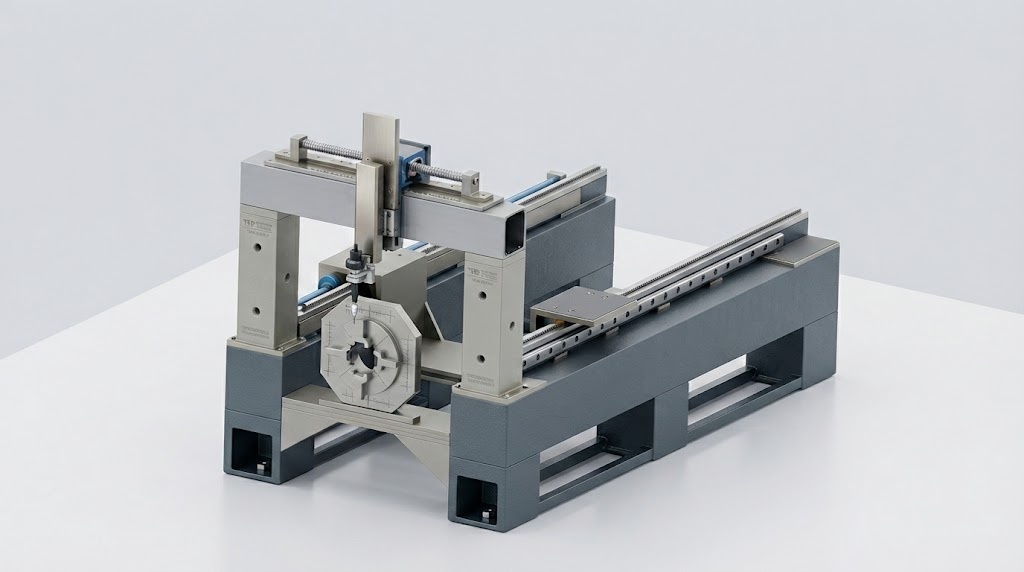
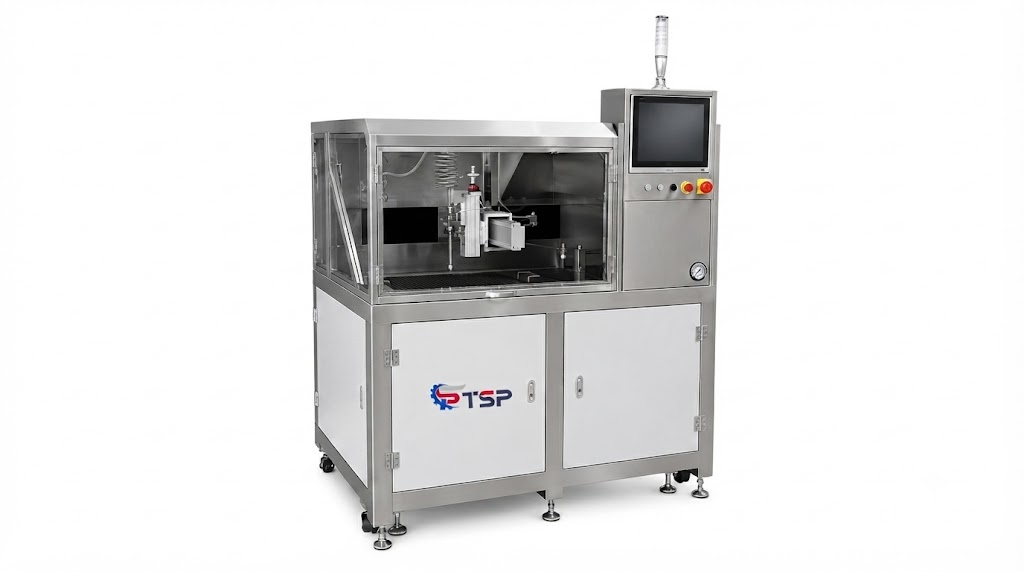
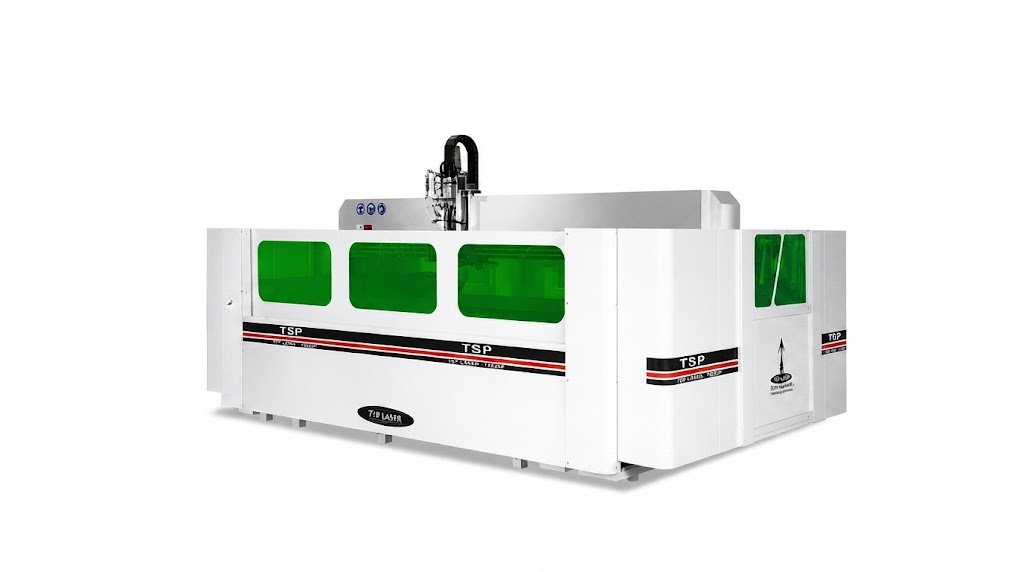
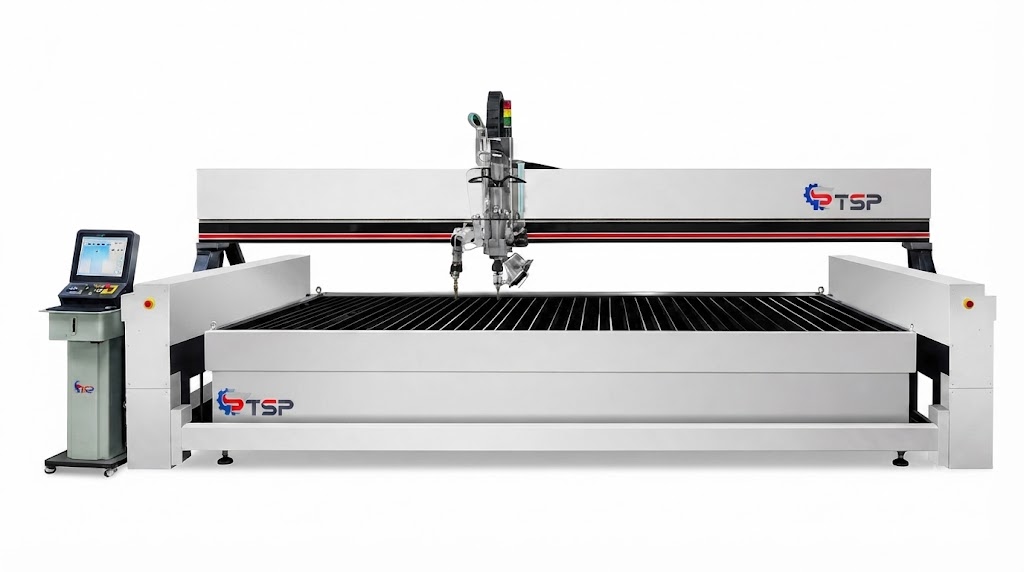
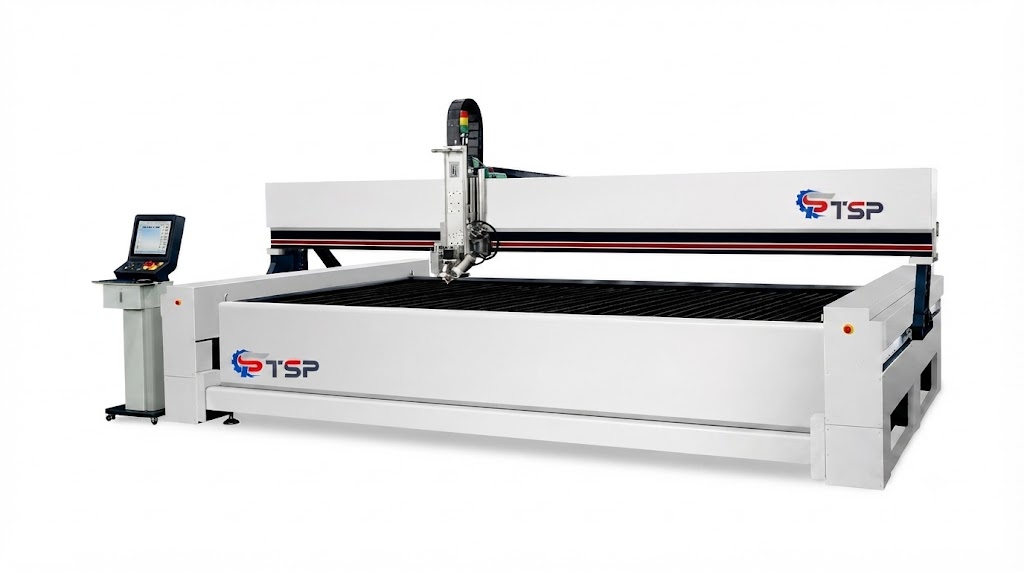

The automotive manufacturing sector continues to demand faster production cycles, tighter tolerances, and greater material efficiency. As vehicle designs become more complex and lightweight materials gain popularity, manufacturers are increasingly turning to CNC laser cutting technology to enhance productivity and maintain consistent quality.
This guide explores how modern laser cutting systems support automotive production and what businesses should consider when investing in advanced cutting equipment.
The Growing Importance of Laser Cutting in Automotive Manufacturing
Automotive components require exceptional dimensional accuracy and repeatability. Whether producing structural parts, body panels, mounting brackets, or exhaust components, manufacturers must achieve consistent results across thousands of units.
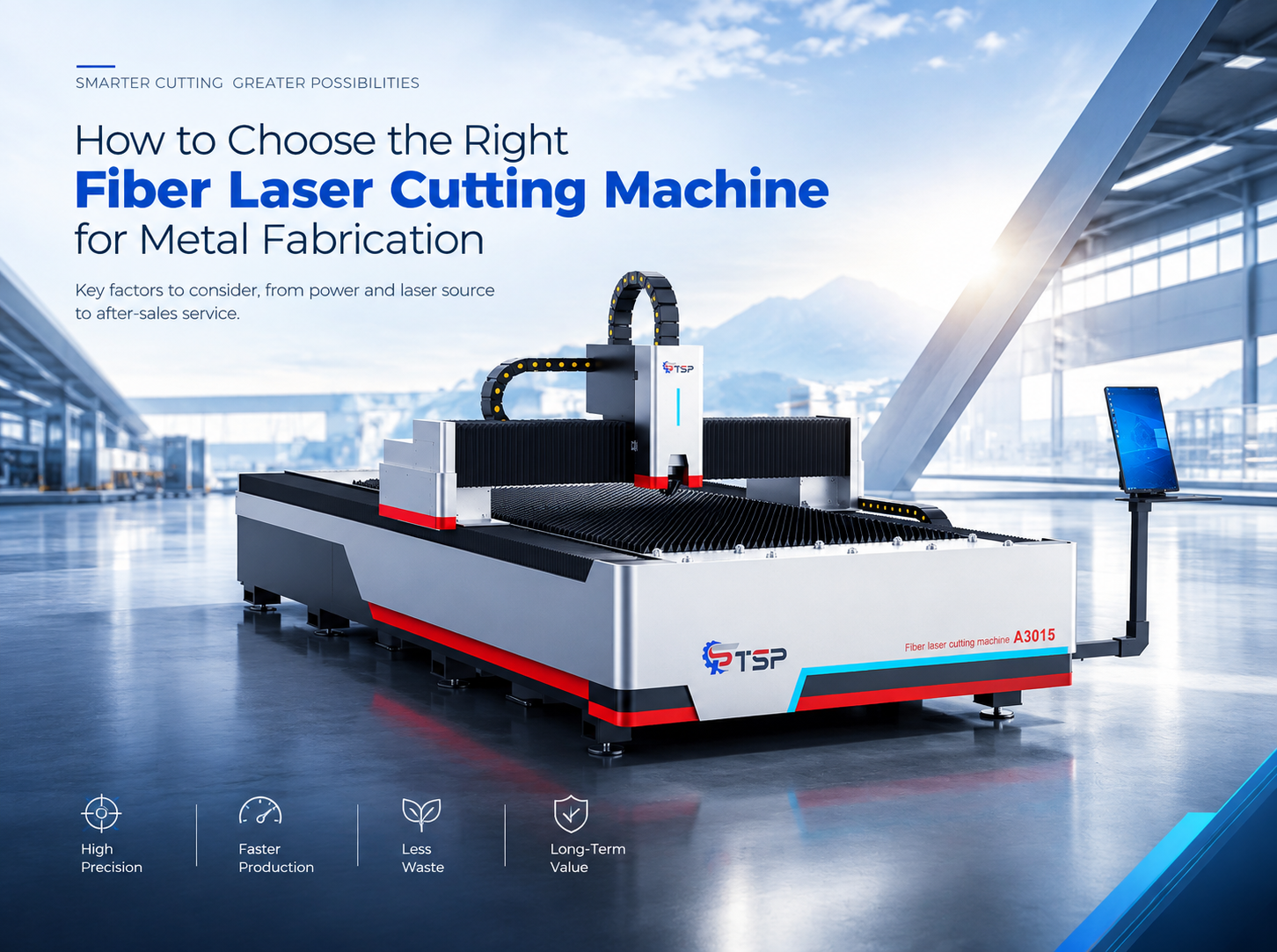
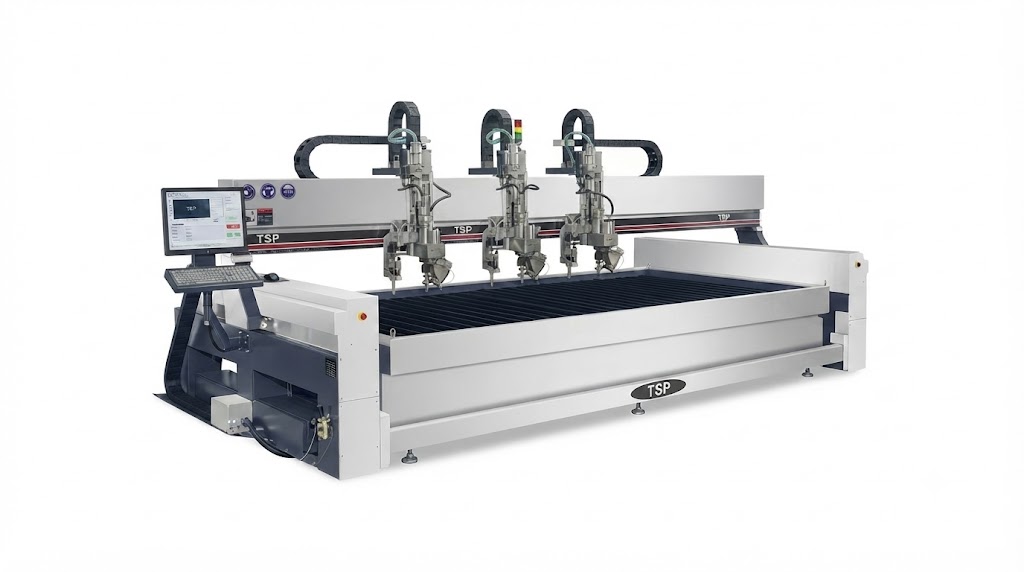
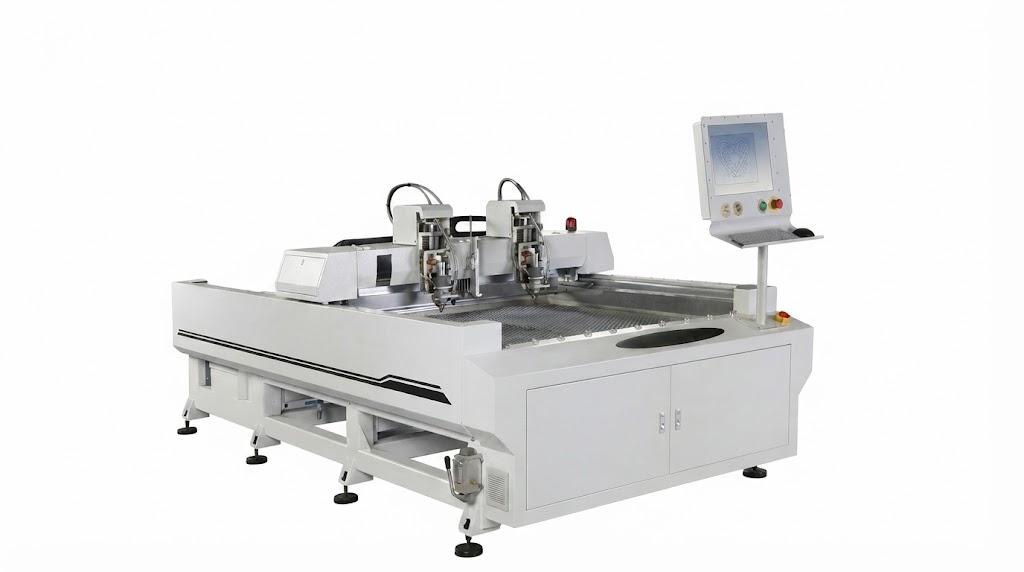
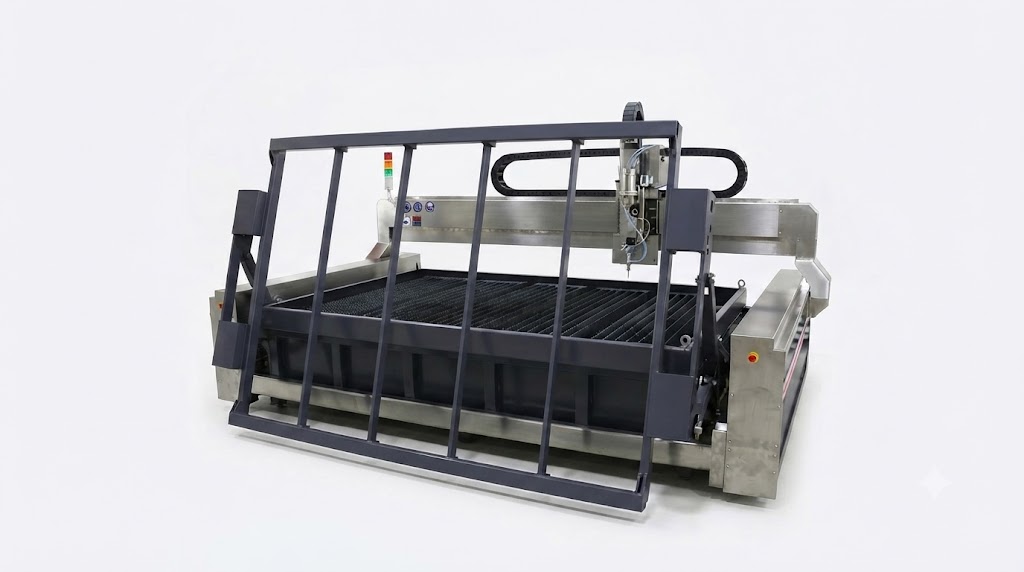
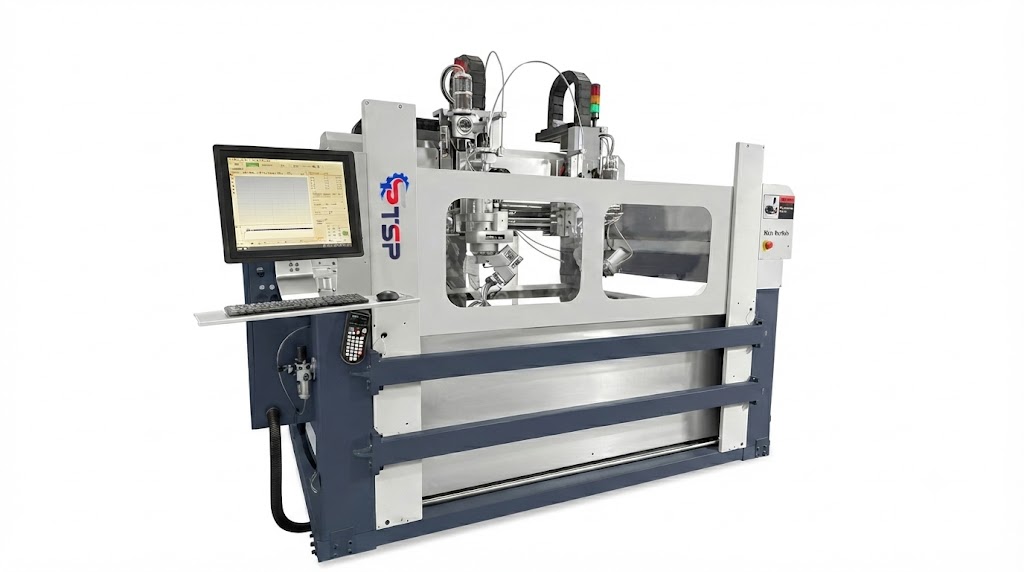
A CNC laser cutting machine uses a digitally controlled laser beam to cut metal sheets with remarkable precision. Unlike conventional cutting methods that rely on physical contact, laser technology processes materials without applying mechanical force. This significantly reduces deformation, especially when working with thin-gauge metals commonly used in modern vehicle construction.
As a result, manufacturers can achieve cleaner cuts, improved edge quality, and reduced secondary processing requirements.
Advantages of CNC Laser Cutting for Automotive Applications
High-Accuracy Manufacturing
Precision is critical in automotive production. Laser cutting systems can create complex geometries and detailed contours while maintaining tight tolerances throughout the production run. This level of accuracy helps ensure seamless assembly and improved product consistency.
Superior Edge Quality
The concentrated laser beam creates smooth cutting surfaces with minimal burr formation. In many applications, additional grinding or finishing operations can be reduced or eliminated, saving both time and labor costs.
Flexible Material Processing
Automotive suppliers work with a variety of materials, including:
- Carbon steel
- Stainless steel
- Aluminum alloys
- Galvanized steel
- High-strength automotive steel
Fiber laser technology can efficiently process these materials while maintaining excellent cutting performance.
Reduced Thermal Impact
Modern fiber lasers generate a narrow heat-affected zone, minimizing material distortion. This is particularly important for components that require strict dimensional stability and structural integrity.
Improving Production Efficiency with Sheet Metal Laser Cutting Systems
Production efficiency remains a major priority for automotive manufacturers. Advanced sheet metal laser cutting machines are designed to maximize machine utilization and minimize downtime.
Many systems incorporate automatic pallet changers that allow operators to load raw material on one table while cutting continues on another. This continuous workflow significantly increases throughput and reduces idle time.
In addition, intelligent nesting software optimizes part placement across the sheet surface. By maximizing material utilization, manufacturers can reduce scrap rates and lower overall production costs.
For high-volume automotive production, even small improvements in material efficiency can generate substantial annual savings.
Key Factors to Consider When Selecting a Laser Cutting Machine
Choosing the right machine depends on production requirements, material thickness, and automation goals.
Laser Power Requirements
Higher laser power enables faster cutting speeds and greater material thickness capacity. Manufacturers producing heavy-duty structural components typically benefit from high-power fiber laser systems ranging from 6kW to 20kW or more.
For thinner sheet metal applications, lower-power configurations may provide sufficient performance while reducing initial investment costs.
Automation Capabilities
Automation can significantly improve productivity. Features such as:
- Automatic loading and unloading systems
- Material storage integration
- Robotic part sorting
- Intelligent production management software
can help reduce labor requirements and improve operational efficiency.
Machine Stability and Reliability
A rigid machine frame, high-quality motion components, and advanced CNC control systems contribute to long-term cutting accuracy and equipment lifespan. Businesses should evaluate both machine specifications and after-sales support when making purchasing decisions.
Best Practices for Laser Cutting Machine Maintenance
Routine maintenance plays a critical role in ensuring consistent performance and minimizing unexpected downtime.
Inspect Optical Components Regularly
Protective lenses and windows should be checked frequently for contamination. Dirty optics can reduce laser transmission efficiency and negatively affect cutting quality.
Maintain the Cooling System
Fiber lasers generate significant heat during operation. Operators should monitor coolant quality, inspect filters, and verify that the chiller system operates within recommended temperature ranges.
Check Motion System Accuracy
Linear guides, rack-and-pinion systems, and servo motors should be inspected and calibrated periodically to maintain positioning precision.
Monitor Assist Gas Quality
Cutting gases such as oxygen, nitrogen, and compressed air directly influence edge quality and processing efficiency. Maintaining proper gas pressure and purity is essential for optimal results.
Evaluating the Return on Investment
Although purchasing a CNC laser cutting machine requires a substantial upfront investment, the long-term financial benefits can be significant.
Manufacturers often experience:
- Lower labor costs
- Reduced material waste
- Faster production cycles
- Improved product quality
- Decreased tooling expenses
These advantages contribute to a shorter payback period and improved profitability. For many automotive manufacturers, laser cutting technology becomes a strategic asset that supports both operational efficiency and future business growth.
Conclusion
As automotive manufacturing continues to evolve, CNC laser cutting machines have become an essential part of modern production environments. Their ability to deliver high precision, material efficiency, and production flexibility makes them a valuable investment for manufacturers seeking to remain competitive in an increasingly demanding market.
By selecting the appropriate laser cutting solution and implementing a proactive maintenance strategy, automotive companies can achieve higher productivity, lower operating costs, and consistent product quality for years to come.