


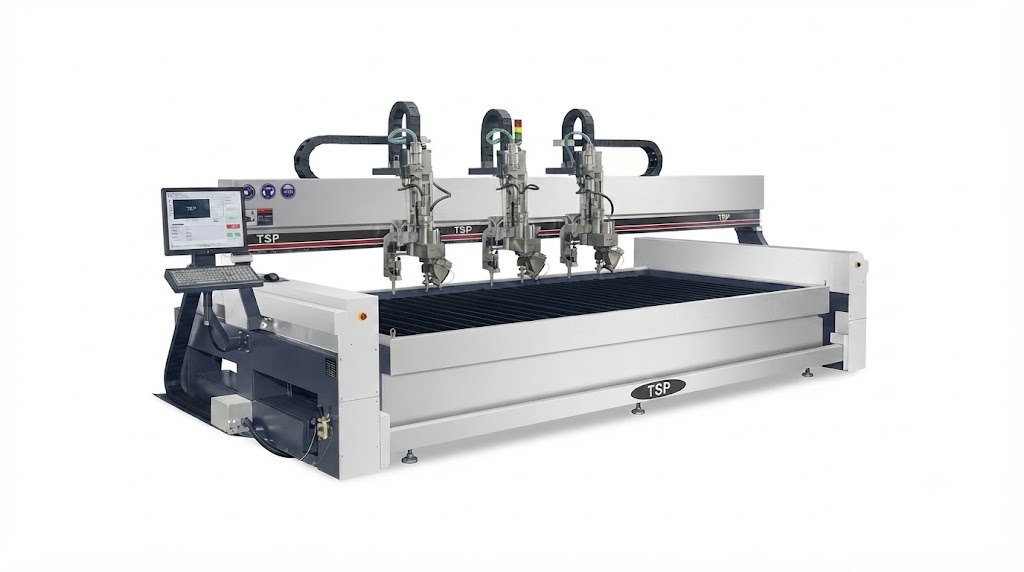
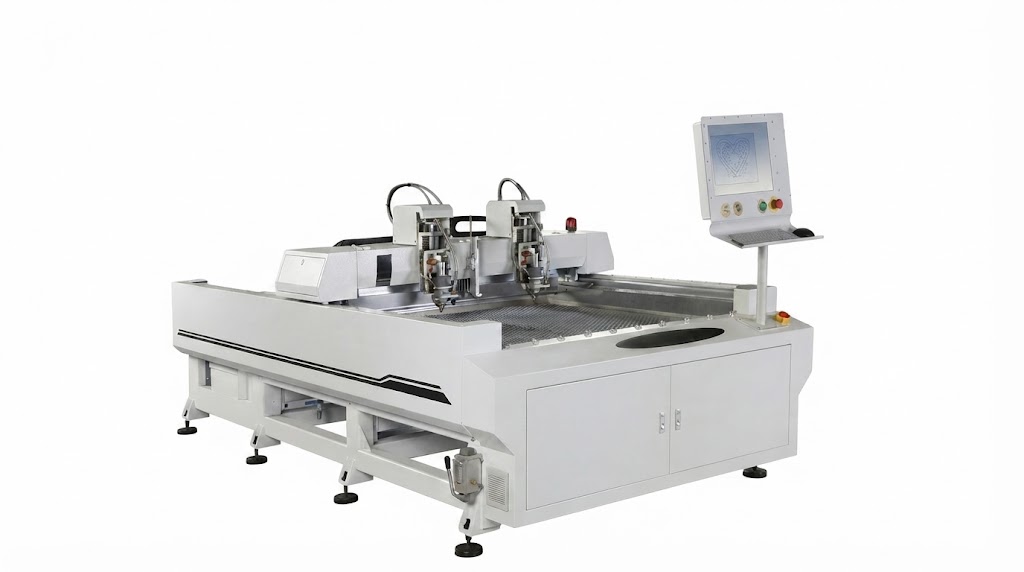
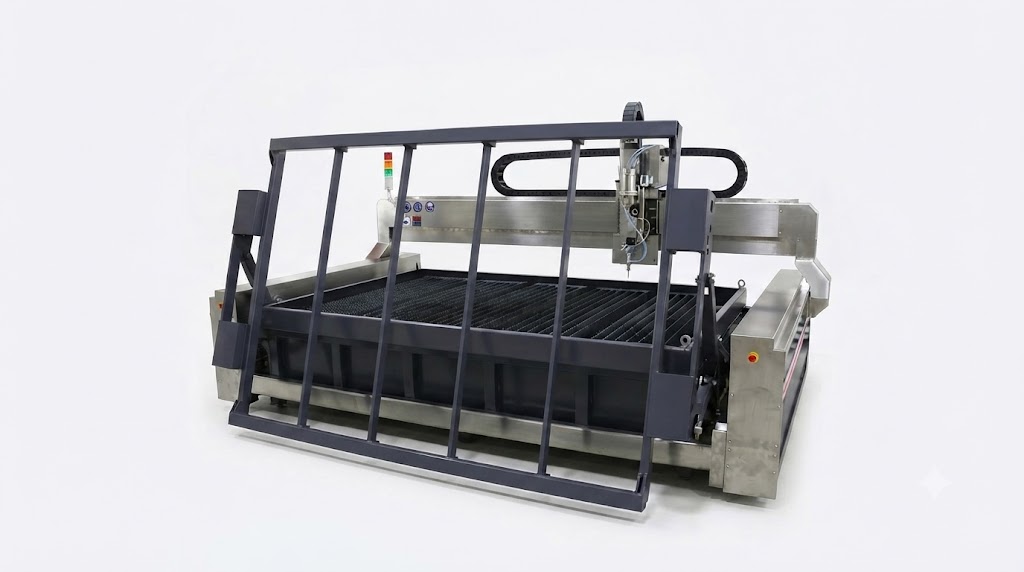
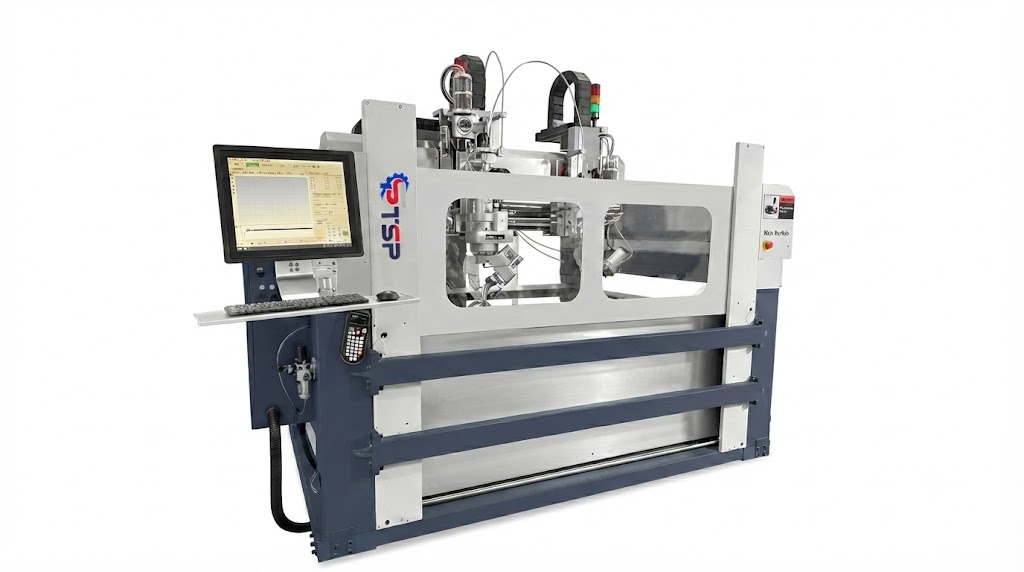
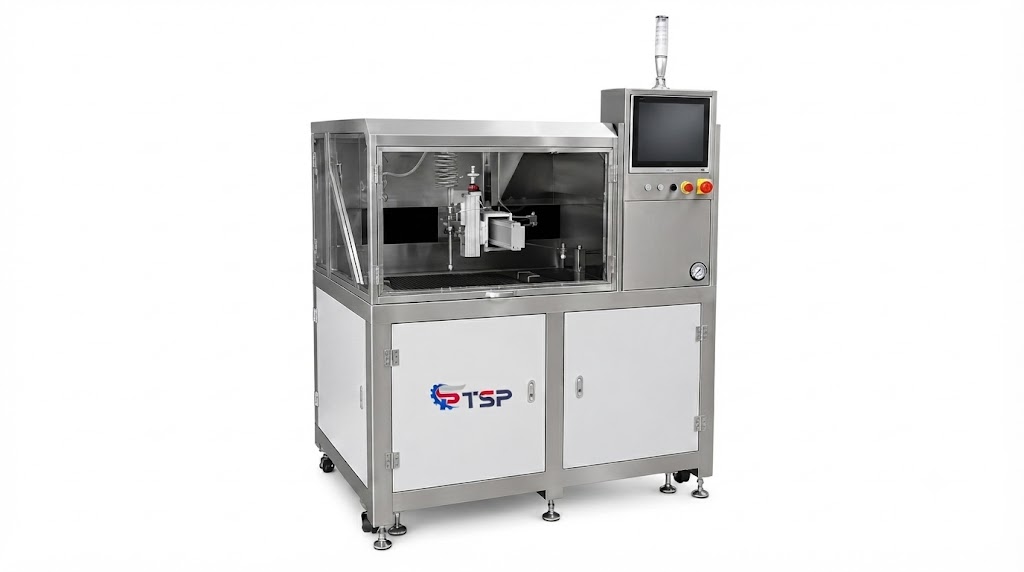
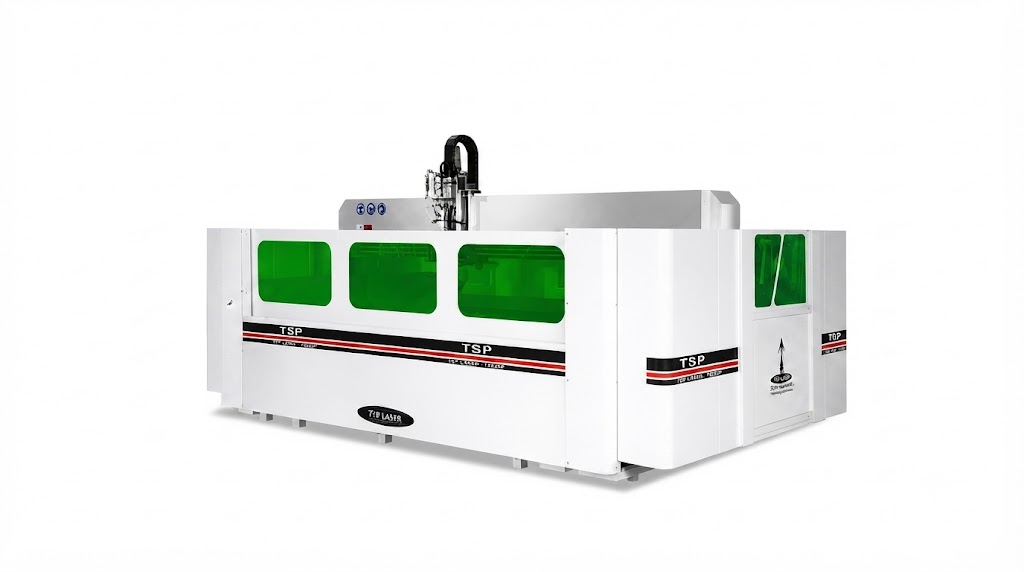
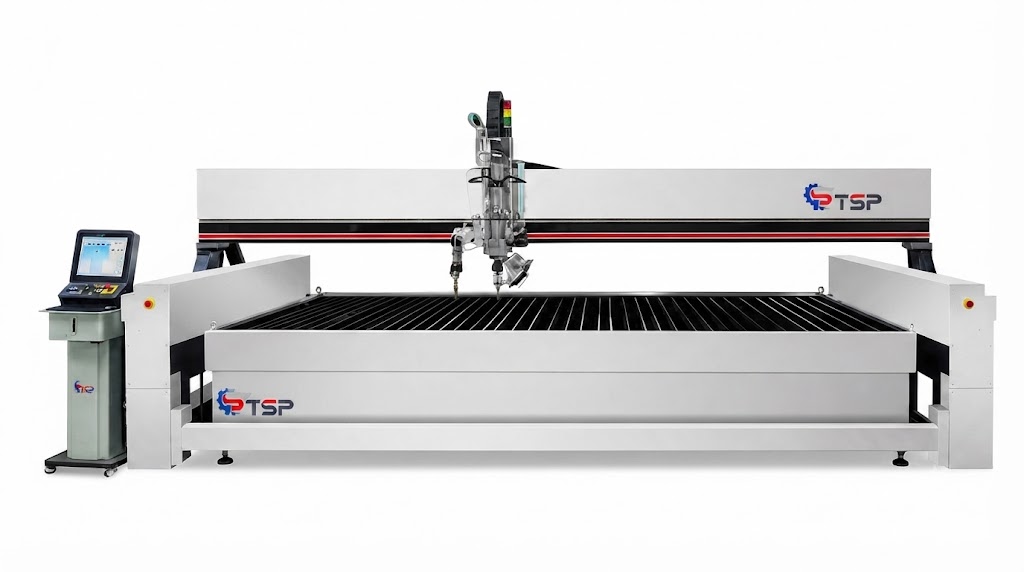
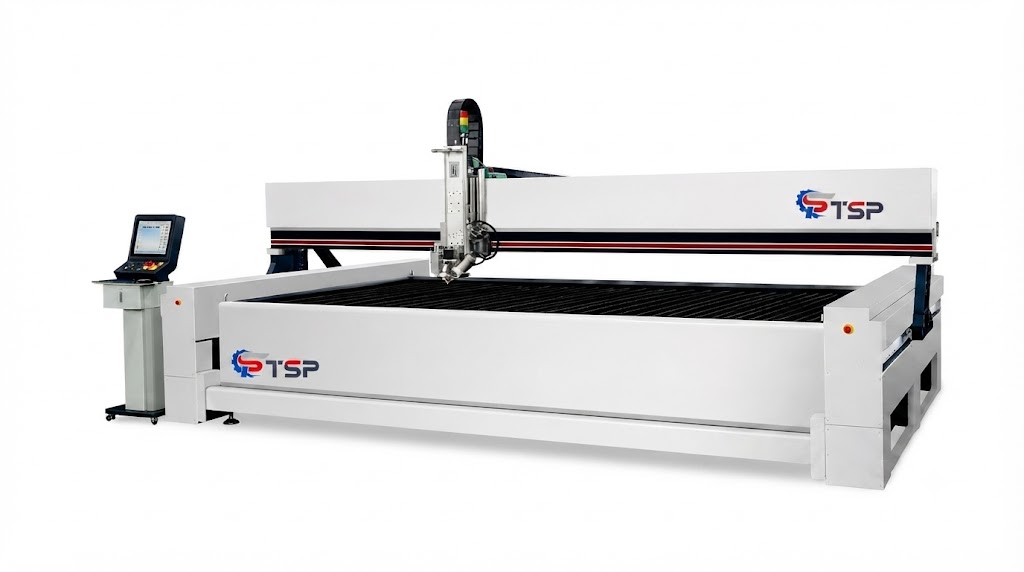
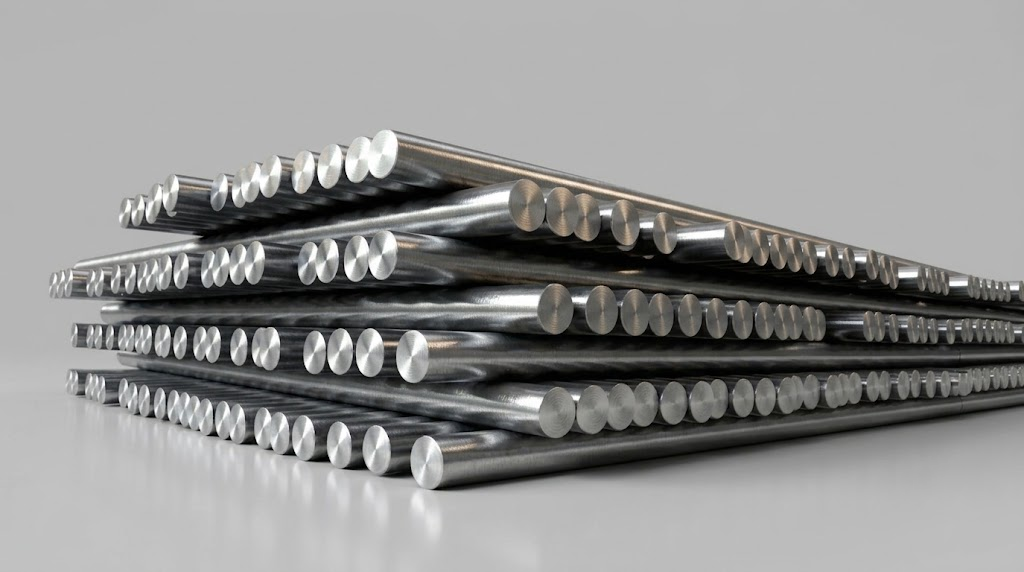
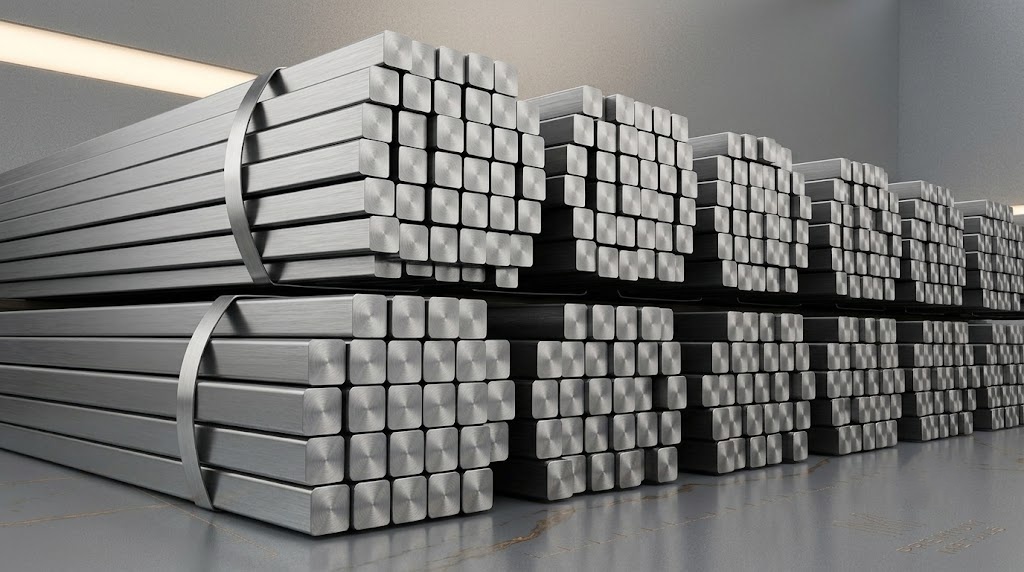
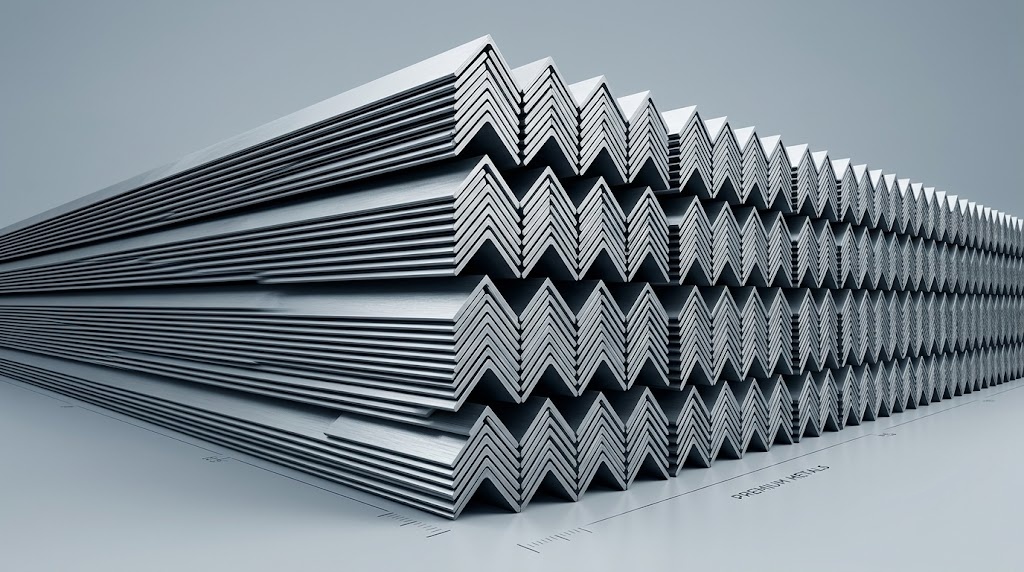
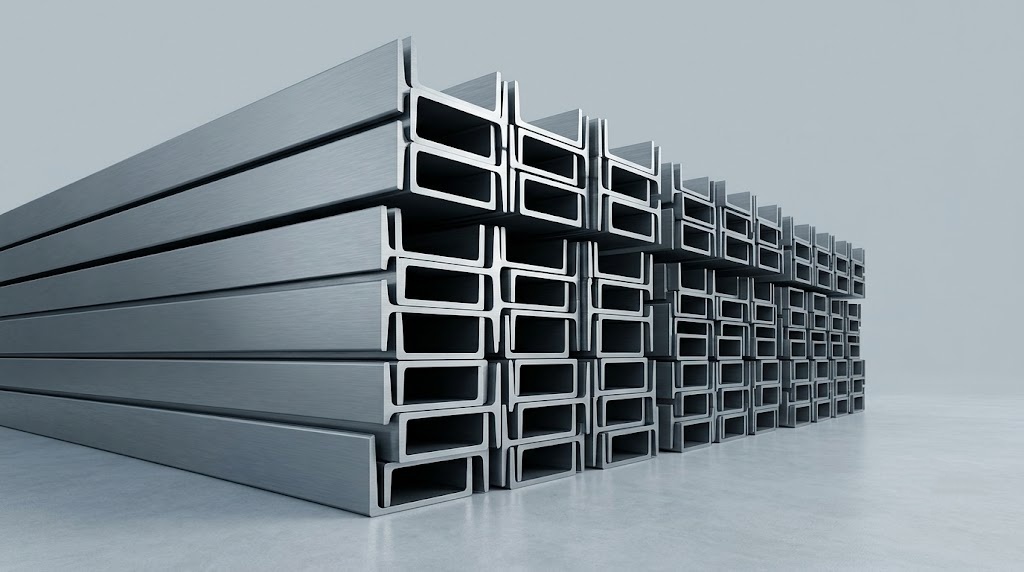
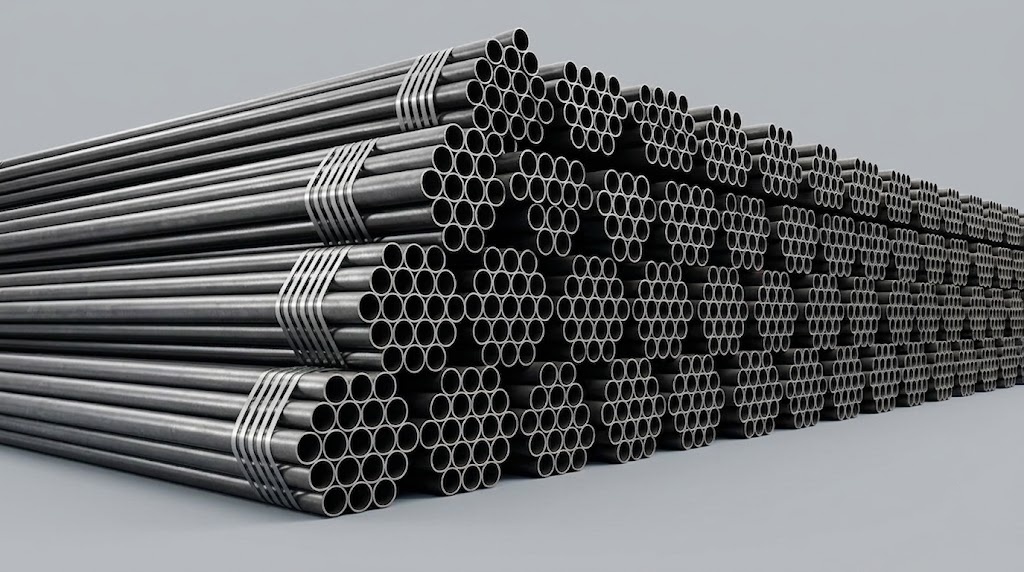
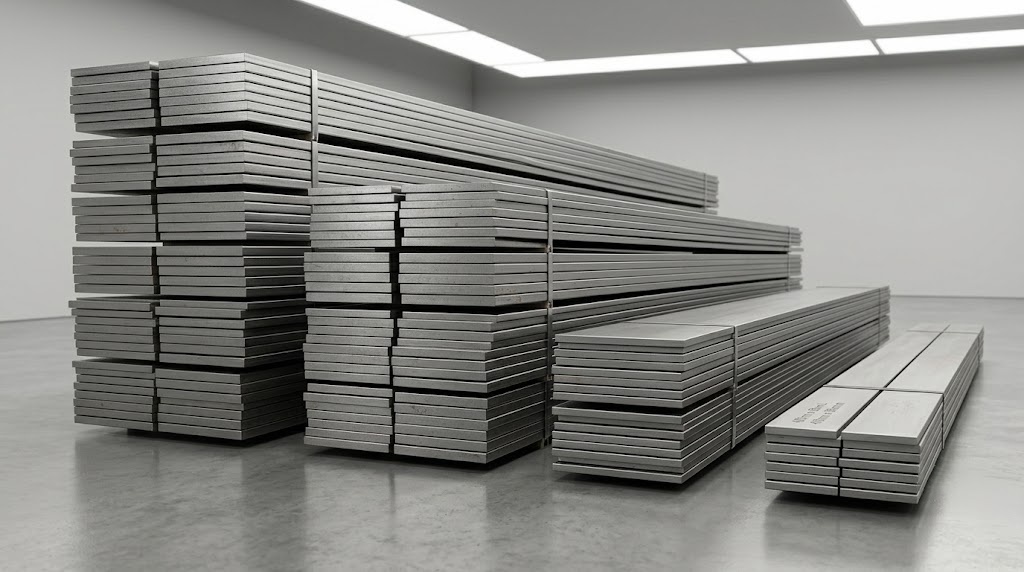
If you work with carbon steel, stainless steel, aluminum, or other metal materials, you already know that cutting is one of the most important steps in the production process.
Traditional metal cutting methods can be time-consuming, generate material waste, and often require additional finishing work after cutting. As production demands increase, manufacturers are looking for faster, cleaner, and more reliable ways to process metal.
This is where fiber laser cutting technology has changed the way metal fabrication is done.
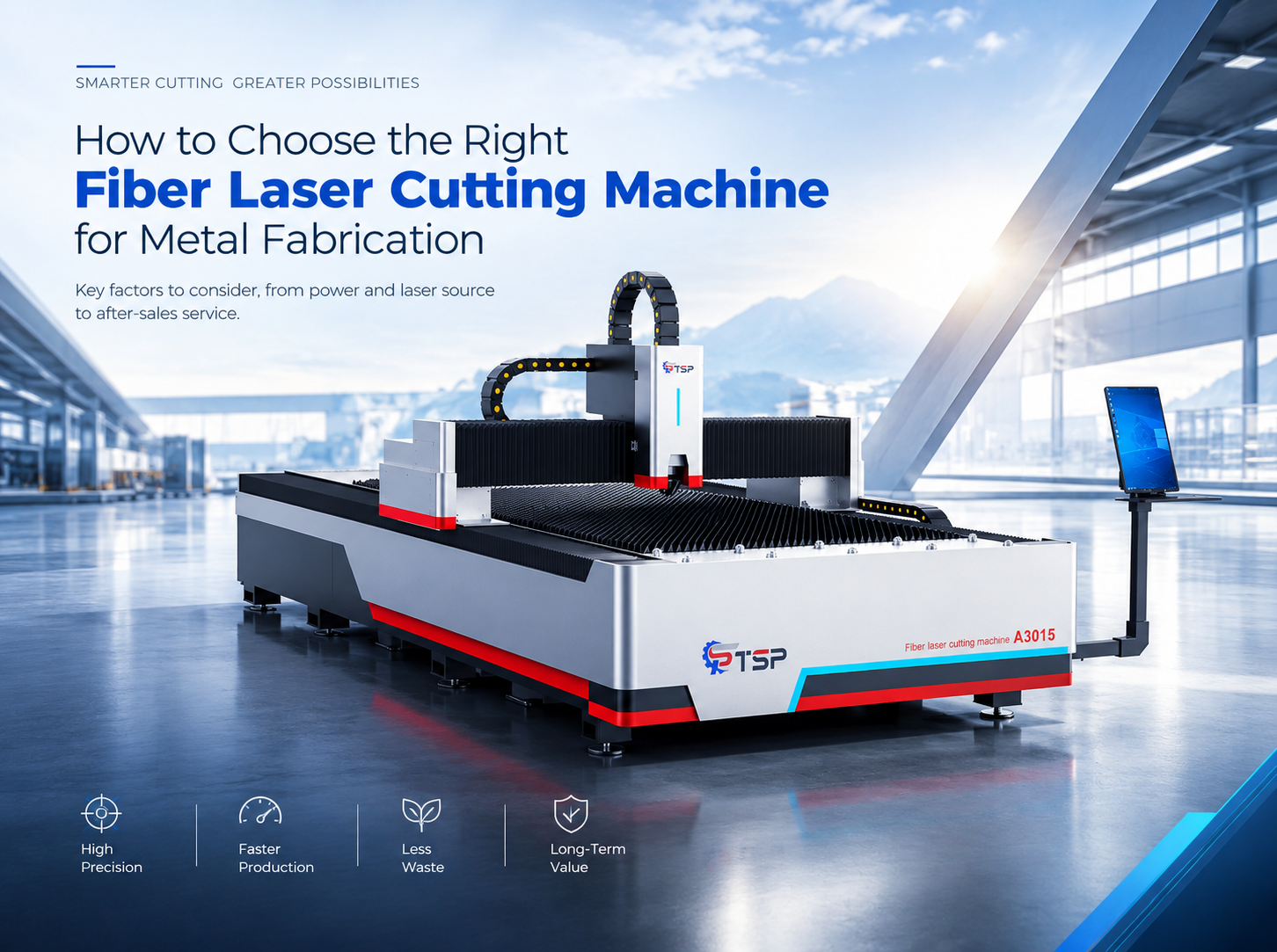
A fiber laser cutting machine combines high cutting speed, precision, automation, and flexibility in one production system. But choosing the right machine is not simply about selecting the highest laser power or the lowest price.
The real question is: What should you look for when choosing a fiber laser cutting machine?
Why Are Fiber Laser Cutting Machines Becoming More Popular?
Fiber laser technology has become widely used in metal fabrication because of its ability to process a wide range of metal materials with high precision and efficiency.
Compared with many traditional cutting methods, a fiber laser cutter can produce clean and accurate cuts while reducing the need for extensive post-processing.
For manufacturers, this can mean:
• Faster production cycles
• Higher cutting accuracy
• Better material utilization
• Less post-cutting work
• Lower maintenance requirements
• Greater flexibility for different metal applications
From sheet metal fabrication and machinery manufacturing to steel structures, automotive components, and industrial equipment, fiber laser cutting machines are suitable for a wide range of applications.
However, machine performance depends on much more than the laser itself.
What Should You Consider Before Buying a Fiber Laser Cutting Machine?
If you are planning to purchase a fiber laser cutting machine, there are several key specifications and components that should be evaluated carefully.
- Laser Power
Laser power is one of the first specifications buyers usually consider.
Common configurations range from lower-power systems for thin sheet metal to high-power fiber laser machines designed for thicker materials.
However, higher power does not automatically mean better performance for every application.
The appropriate laser power should be selected according to:
• Material type
• Material thickness
• Required cutting speed
• Production volume
• Cutting quality requirements
For example, a manufacturer primarily processing thin stainless steel sheets may have very different requirements from a heavy machinery manufacturer cutting thick carbon steel plates.
Choosing the correct power is therefore more important than simply choosing the highest available power.
- Laser Source
The laser source is one of the core components of a fiber laser cutting machine.
It directly affects cutting performance, stability, efficiency, and long-term operation.
When comparing different machines, buyers should consider not only the rated power but also the laser source manufacturer, technical specifications, service support, and expected operating environment.
A professional laser machine manufacturer should be able to clearly explain why a particular laser source and power configuration is recommended for your application.
- Cutting Head
The cutting head plays an important role in maintaining cutting quality and stability.
A good cutting head needs to work accurately with the laser source, focusing system, gas system, and CNC control system.
Depending on the application, different cutting heads may be suitable for different materials and thickness ranges.
When purchasing a machine, it is worth asking about the cutting head brand, autofocus function, protective lens system, maintenance requirements, and replacement costs.
- CNC Control System
The control system is essentially the brain of the laser cutting machine.
It controls cutting parameters, machine movement, positioning, acceleration, and other important functions.
A reliable CNC system can make daily operation easier and help maintain consistent cutting results.
For manufacturers with multiple operators, an intuitive interface is also important because it can reduce training time and make production management more convenient.
- Machine Structure and Stability
Cutting speed and laser power are only part of the equation.
The mechanical structure of the machine also has a direct impact on long-term cutting accuracy.
A stable machine bed, reliable transmission system, precise guide rails, and professional manufacturing processes help the machine maintain accuracy during continuous operation.
This becomes particularly important for high-power fiber laser cutting machines and applications involving long production hours.
A powerful laser mounted on an unstable machine structure cannot deliver its full potential.
- Software and Automation
Modern metal fabrication is increasingly focused on automation.
A fiber laser cutting machine should work efficiently with CAD/CAM software and support convenient nesting and production preparation.
Effective nesting can help manufacturers make better use of each sheet of metal and reduce unnecessary material waste.
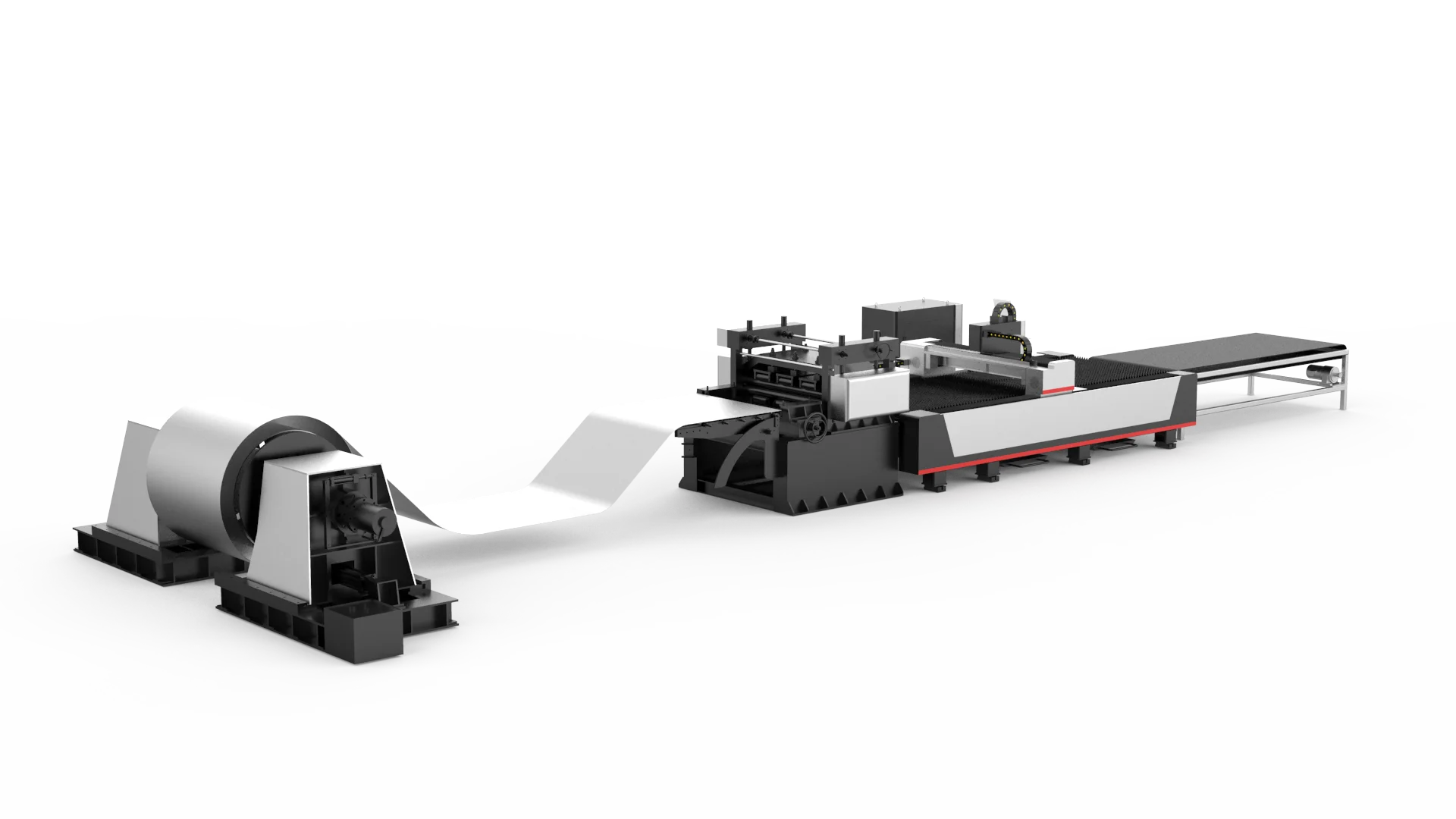
For companies handling large production volumes, additional automation options such as automatic loading and unloading systems can further improve production efficiency.
- After-Sales Service
This is one of the most important factors that is sometimes overlooked when purchasing a laser cutting machine.
A laser cutting machine is a long-term investment. Even a well-designed machine may eventually require technical support, spare parts, troubleshooting, or operator training.
Therefore, the supplier’s after-sales capability should be evaluated before placing an order.
Ask questions such as:
• Does the supplier provide installation and commissioning?
• Is operator training available?
• How quickly can technical problems be handled?
• Are spare parts readily available?
• Is remote technical support provided?
• Does the manufacturer have local or regional service capabilities?
The machine price is only one part of the total cost of ownership.
Reliable technical support can make a significant difference to production continuity over the lifetime of the machine.
Why Choose TSP as Your Fiber Laser Cutting Machine Partner?
At TSP, we understand that purchasing a fiber laser cutting machine is not simply about buying equipment.
It is about finding a reliable production partner.
As a laser equipment manufacturer integrating manufacturing and international trade, TSP provides fiber laser cutting, welding, cleaning, and marking solutions for customers in different markets.
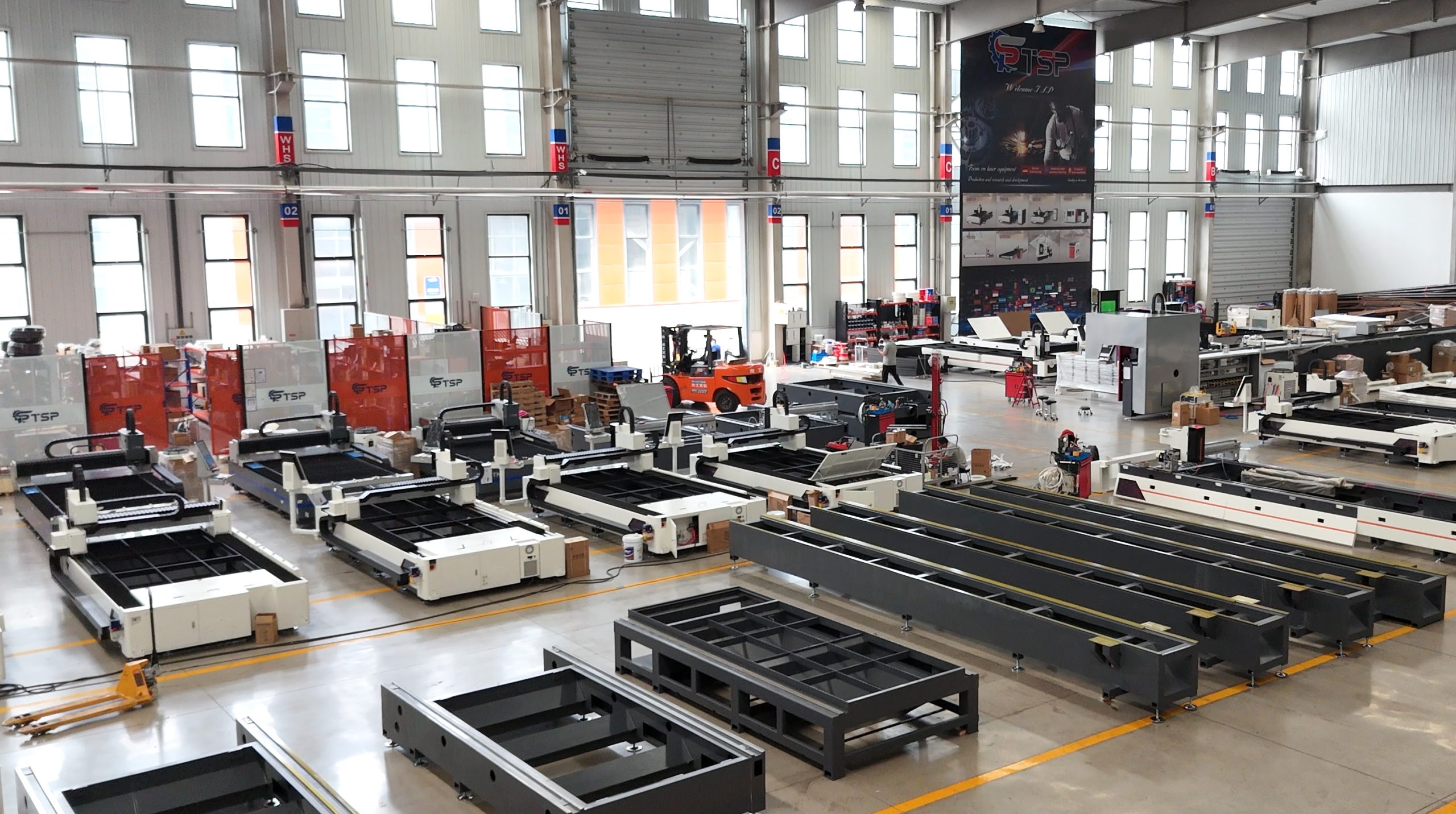
Our production team includes fitters, electricians, commissioning engineers, and technical specialists who work together through the manufacturing and testing process.
Each machine goes through quality inspection and testing before shipment.
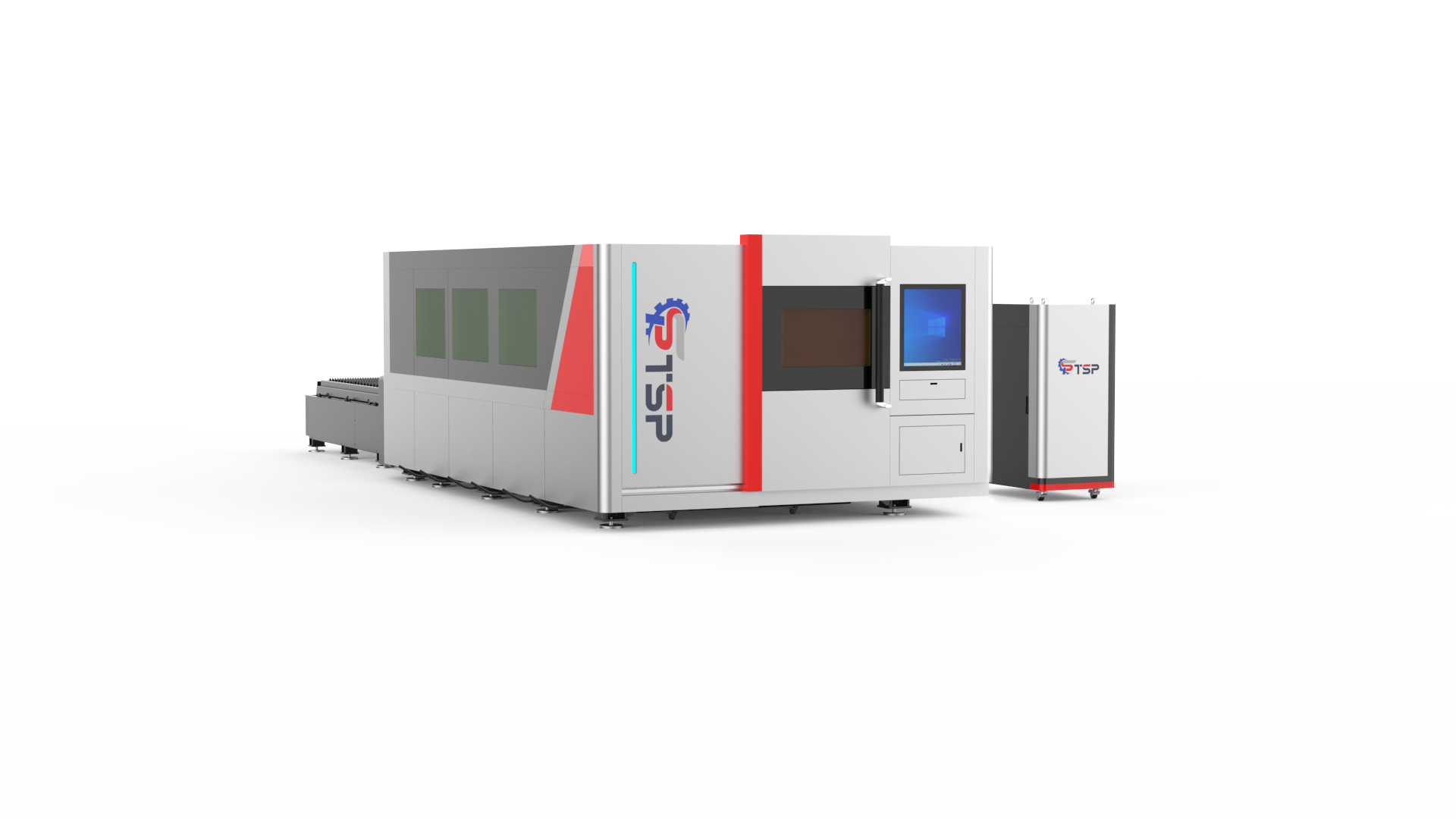
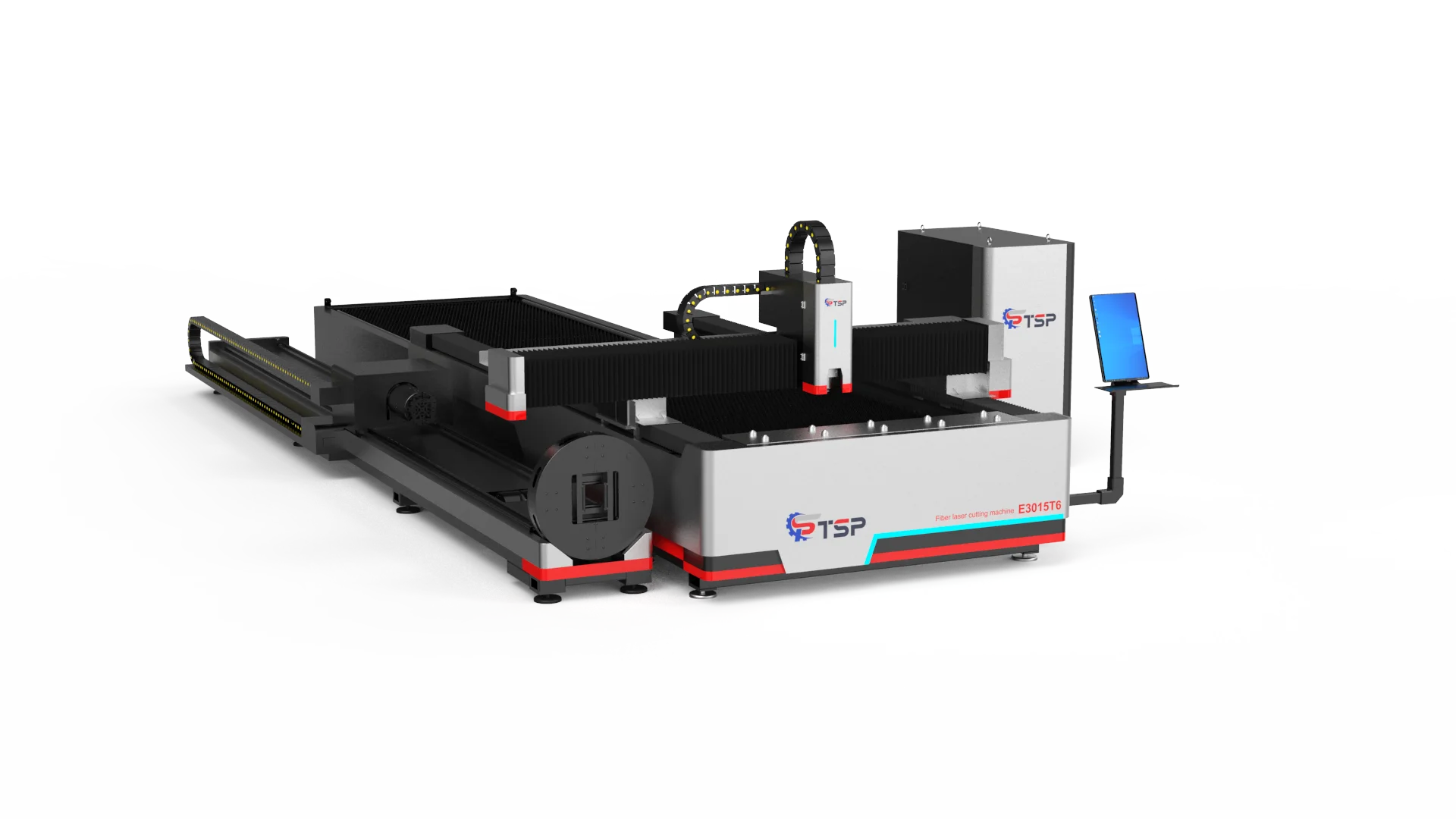
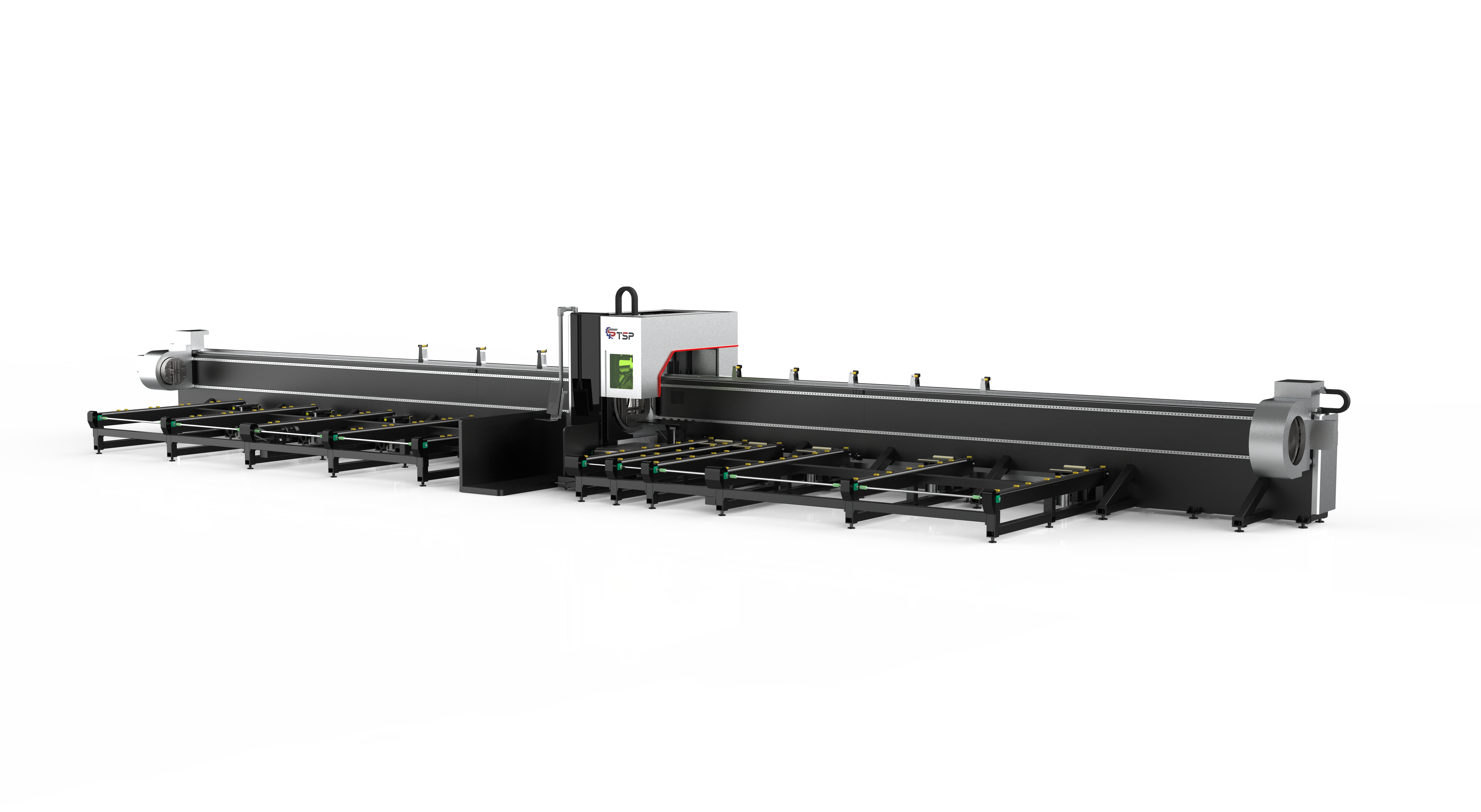
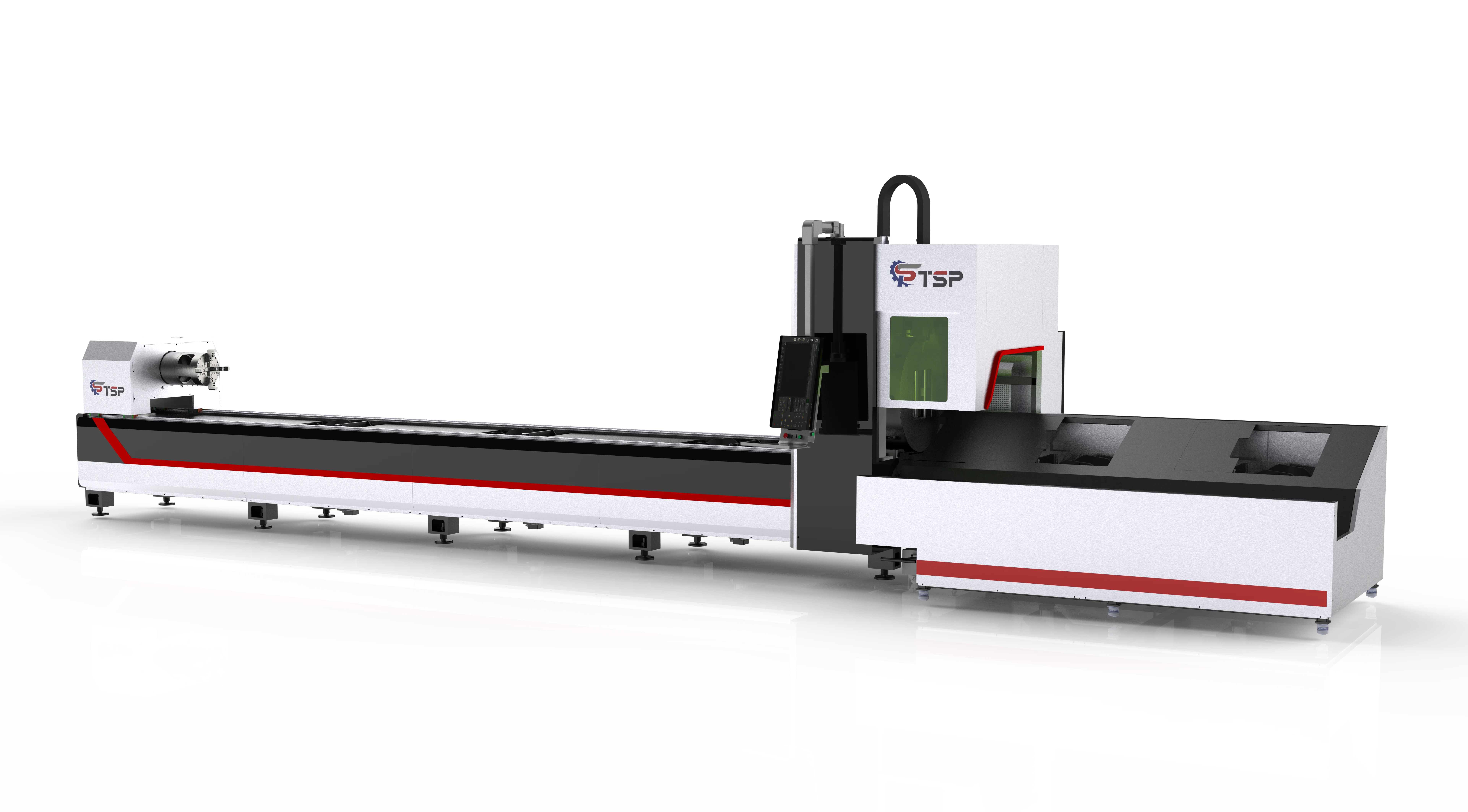
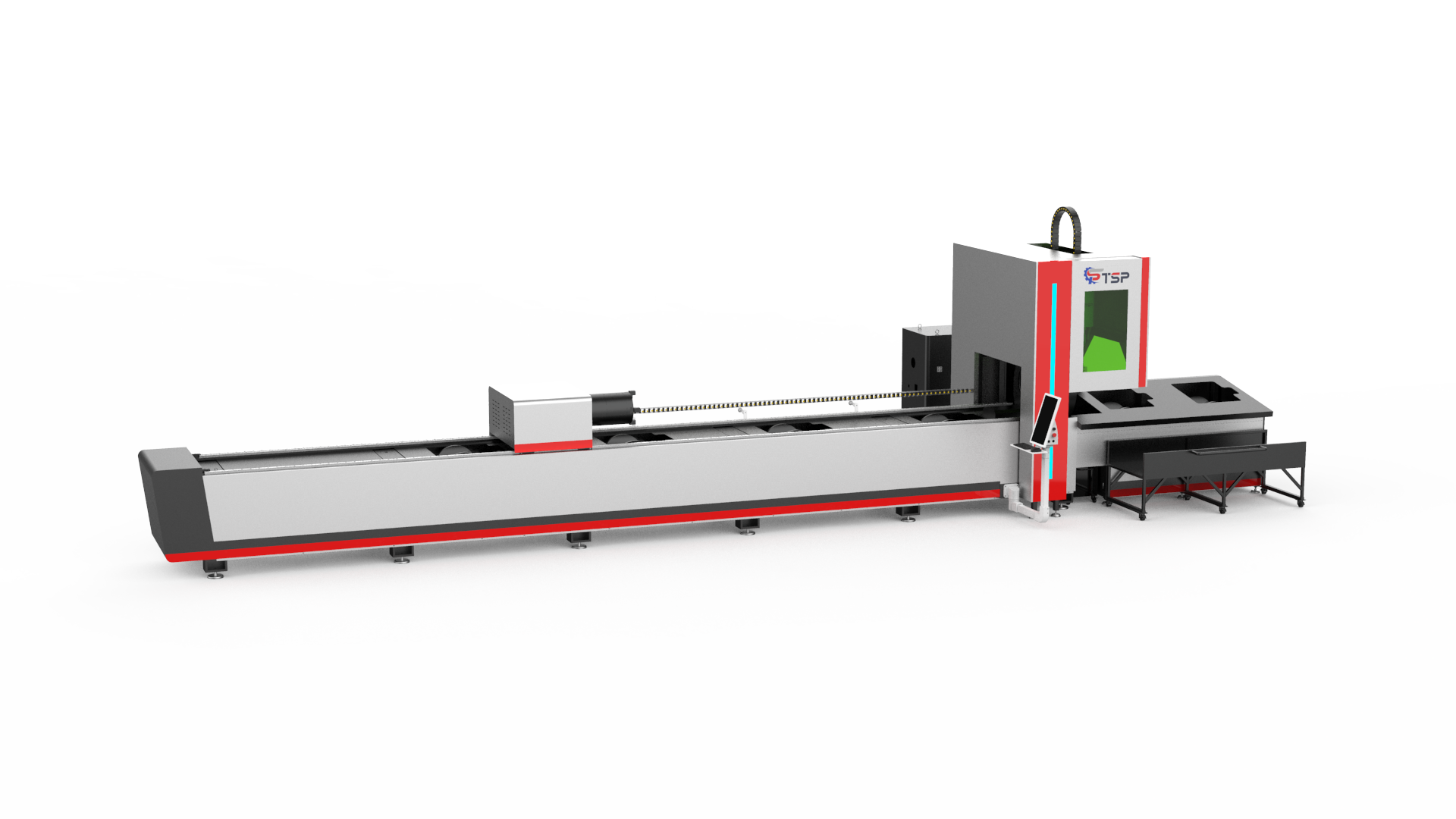
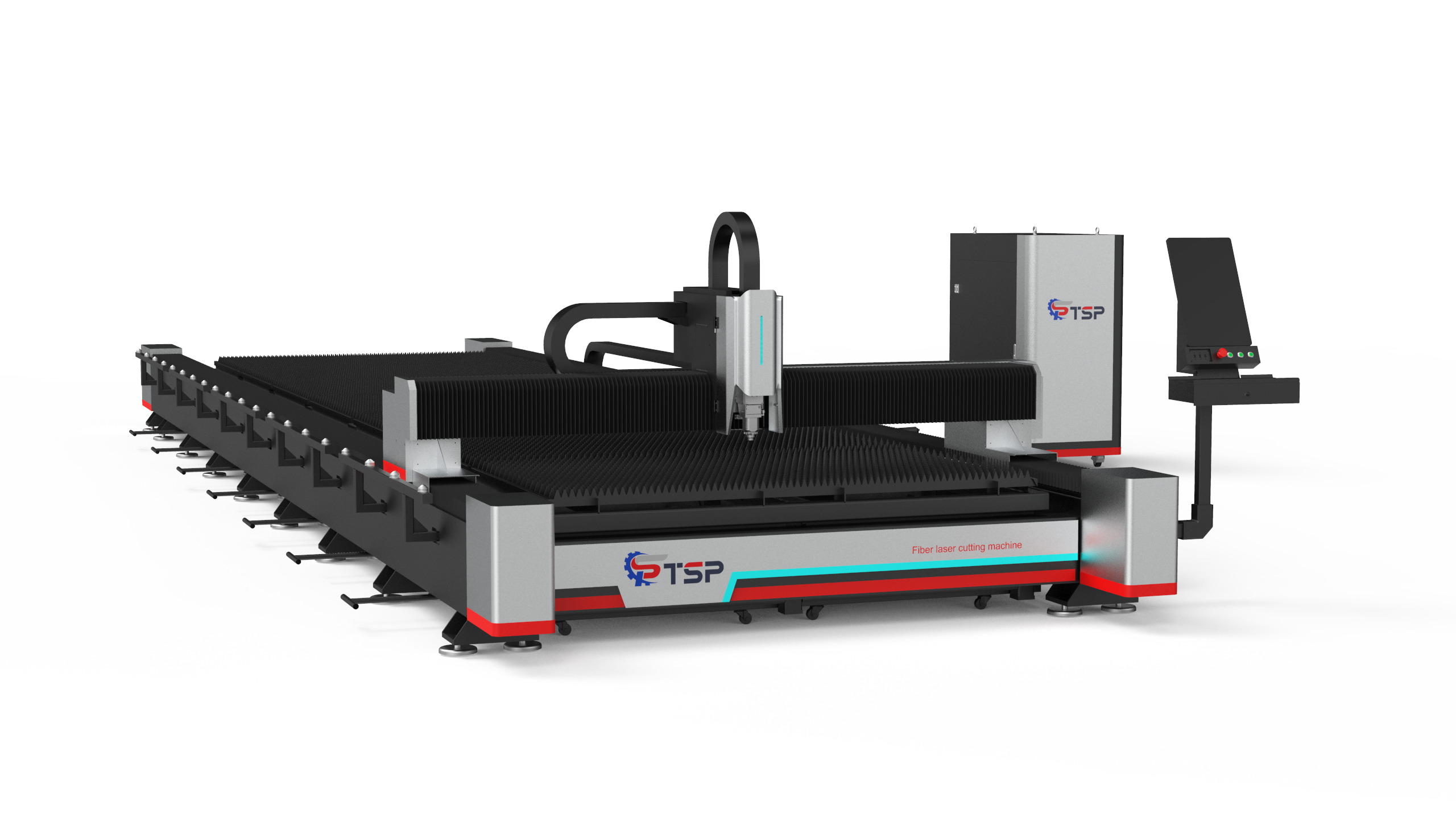
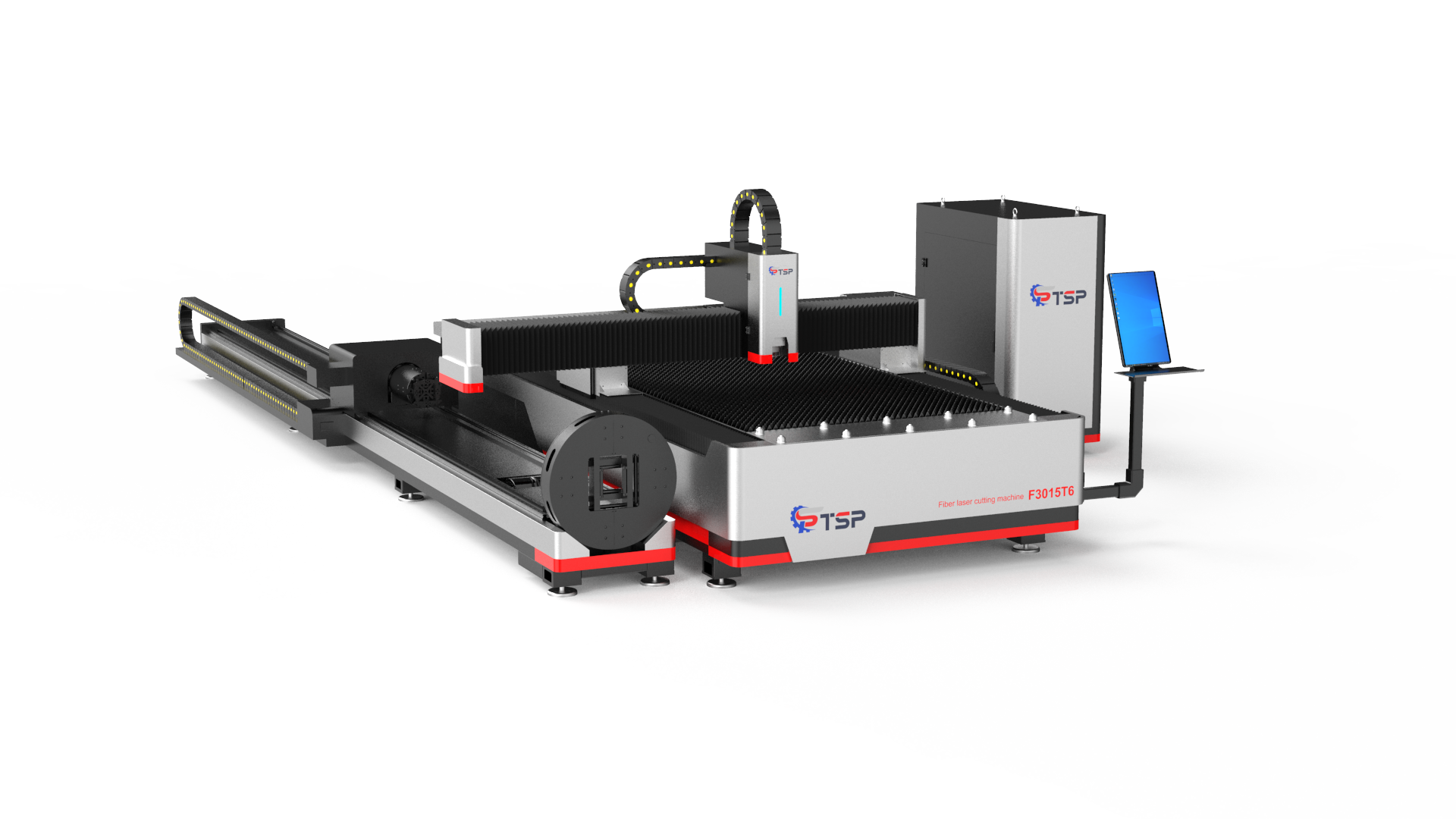
Our fiber laser cutting machine solutions can be configured according to different production requirements, including sheet metal cutting, tube cutting, and high-power metal processing.
We also provide installation, commissioning, operator training, technical support, and after-sales service.
For us, the relationship does not end when the machine leaves the factory.
A Transaction Is Only the Beginning. Service Never Ends.
At TSP, we believe that equipment quality and service quality are equally important.
Our goal is to build long-term relationships with customers, distributors, and industrial partners around the world.
Whether you are purchasing your first fiber laser cutter, expanding your production capacity, or replacing an existing metal cutting machine, our team can help you evaluate the appropriate configuration based on your materials, thickness, production volume, and application.
Before You Buy a Fiber Laser Cutting Machine
Do not choose a fiber laser cutting machine based only on price or laser power.
Before making a decision, look at the complete system:
Laser source + cutting head + CNC control system + machine structure + software + automation + after-sales service.
The right machine should match your actual production requirements and provide stable performance over the long term.
If you are looking for a fiber laser cutting machine for carbon steel, stainless steel, aluminum, or other metal materials, TSP can help you find a suitable configuration for your application.
Contact TSP to discuss your material, thickness, production requirements, and desired machine configuration.
Your next production upgrade starts with choosing the right machine.