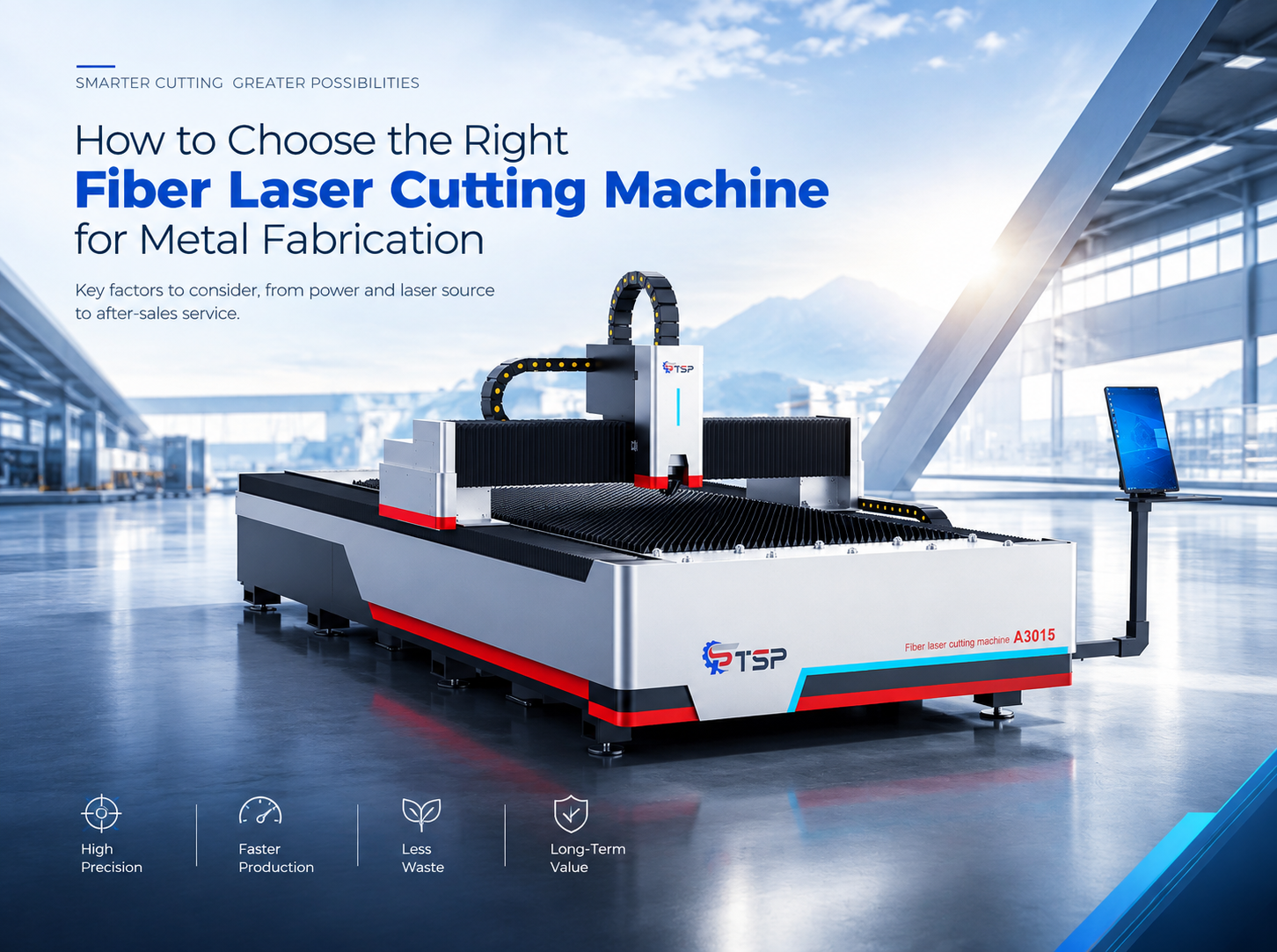



In the world of precision manufacturing, the “all-in-one” machine is the ultimate dream. When you own a high-performance fiber laser, it is tempting to believe it can handle every material that enters your shop. However, if you are currently using—or planning to use—your fiber laser to cut Carbon Fiber Reinforced Polymers (CFRP), you are likely sacrificing material integrity and risking your team’s health.
At TSP Laser, we believe in choosing the right tool for the job. Here is why fiber lasers and carbon fiber are a dangerous mix, and what you should be using instead.
The “Thermal Trap”: Why Fiber Lasers Fail with CFRP
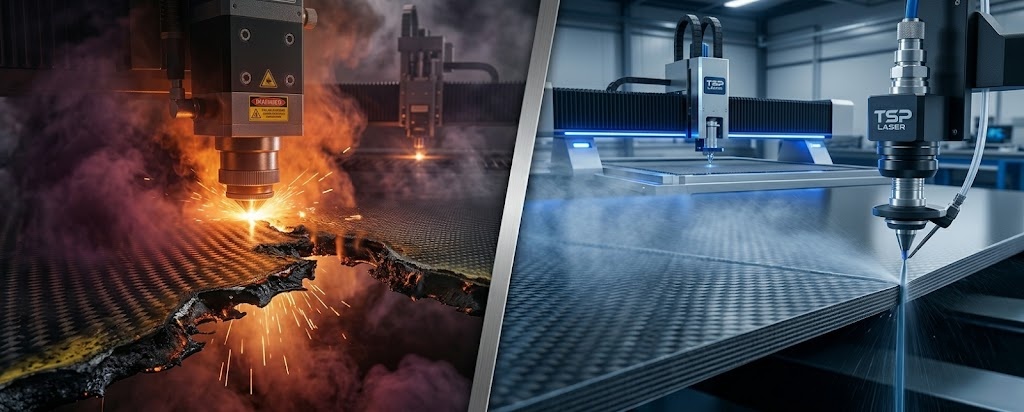
A fiber laser works through thermal ablation—it generates extreme heat to vaporize metal. While this is perfect for steel or aluminum, it is destructive for composite materials like carbon fiber.
Carbon fiber consists of two distinct components:
Carbon Strands: These require massive heat to vaporize.
Epoxy Resin: This is the “glue” holding the structure together, and it burns at very low temperatures.
The result? By the time the laser is hot enough to cut through the carbon fibers, the surrounding resin has already boiled, melted, and receded. This causes delamination (layers pulling apart) and charring at the cut edge. You end up with a structurally compromised part that is useless for any professional application.
The Hidden Danger: Toxic Fumes
Beyond ruining your expensive materials, there is a serious safety concern. When epoxy resin is burned by a laser, it releases a cocktail of toxic chemicals, including VOCs (Volatile Organic Compounds) and potentially Hydrogen Cyanide.
Standard fiber laser extraction systems are designed to catch metal dust and slag. They are not equipped to filter out these buoyant, invisible, and highly toxic polymer fumes. Using an open-bed machine for this process is a direct violation of industrial safety standards.
The Better Way: TSP Laser’s Multi-Solution Approach
At TSP Laser, we know that high-quality manufacturing requires the right process, not just a powerful beam. If your workflow involves CFRP, we recommend switching to one of these three specialized methods:
| Technology | Process TypeBest For… | Best For… |
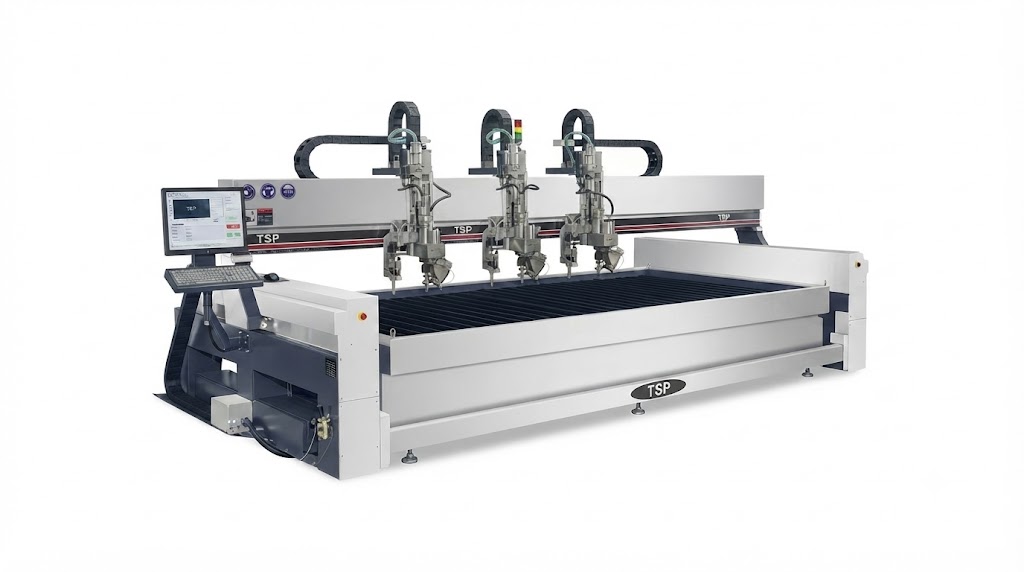
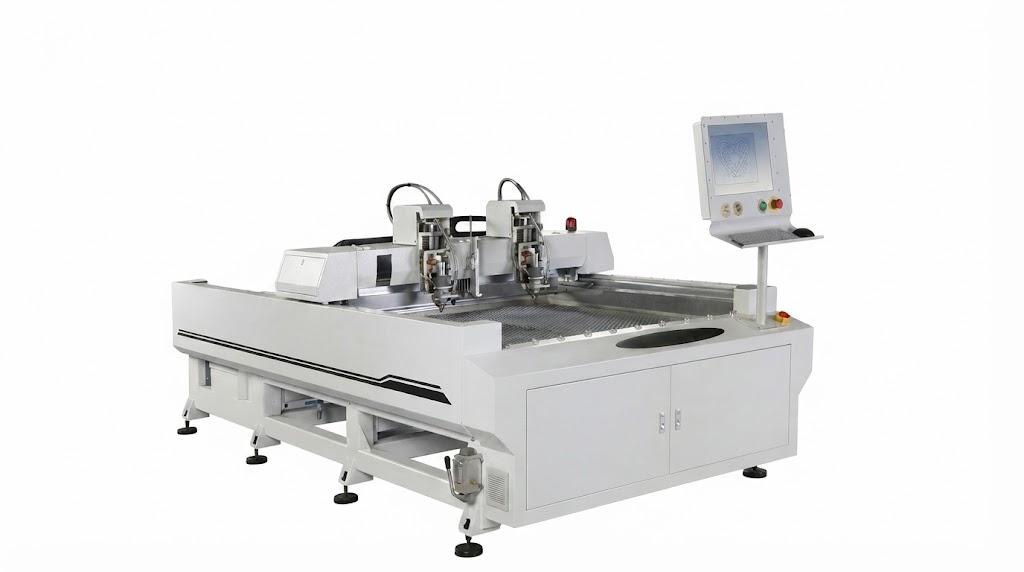
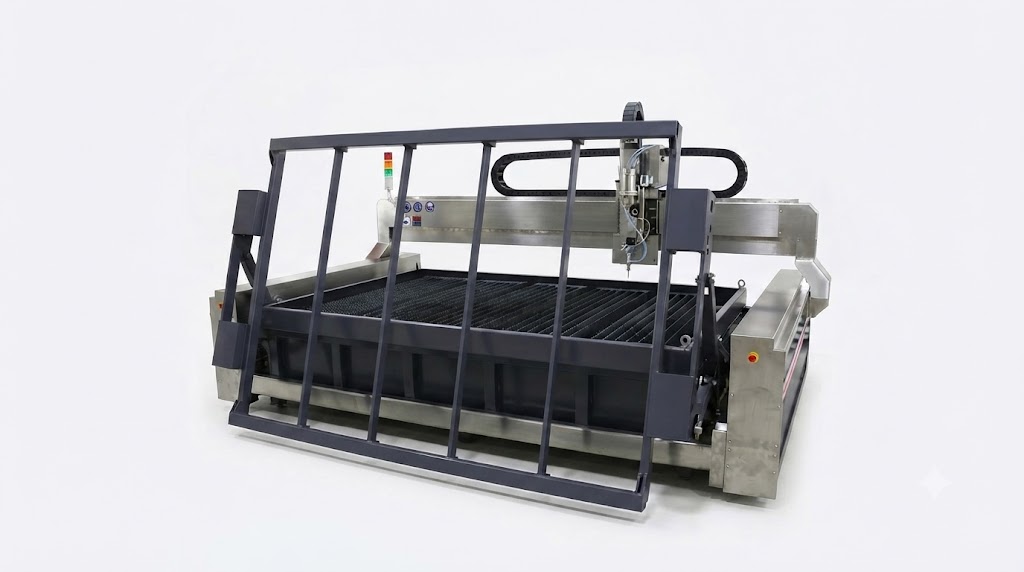
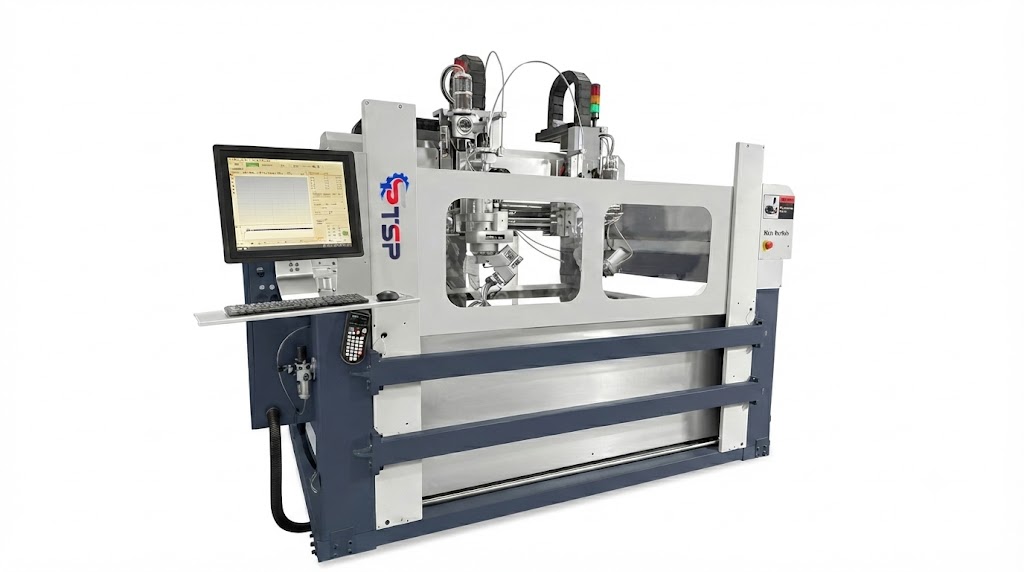
| Abrasive Waterjet | Cold Cutting | Thick composites, zero heat damage, and perfect edges. |
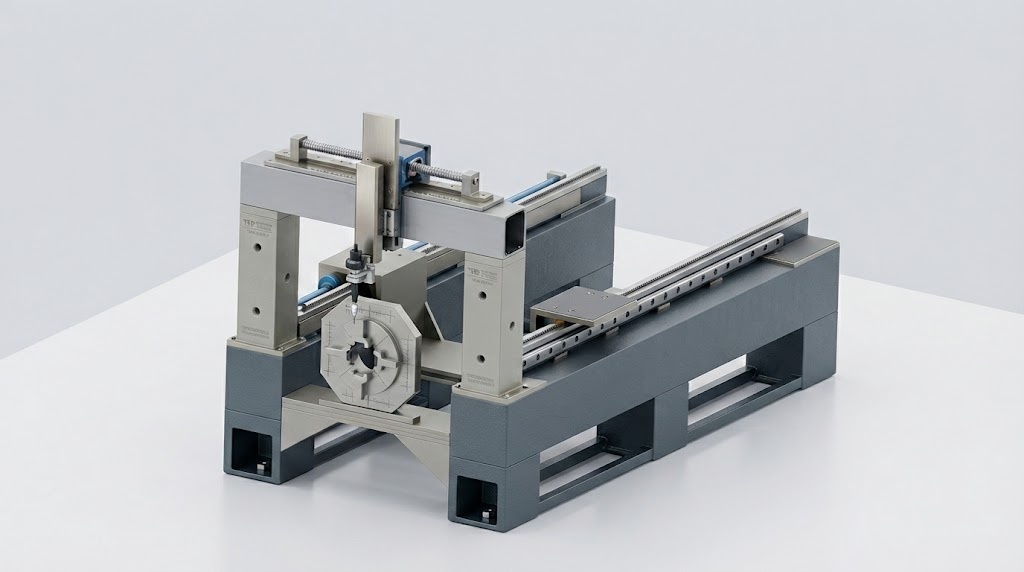
| CNC Routing | Mechanical | Simple shapes, edge trimming, and cost-effective production. |
| Specialized USP Laser | Cold Ablation | Micro-precision work that requires high-end, clean finishing. |
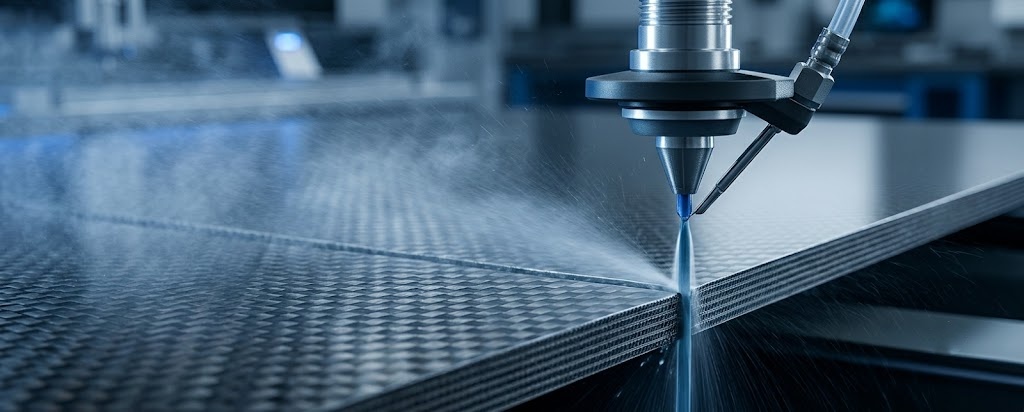
1. Abrasive Waterjet: The Gold Standard
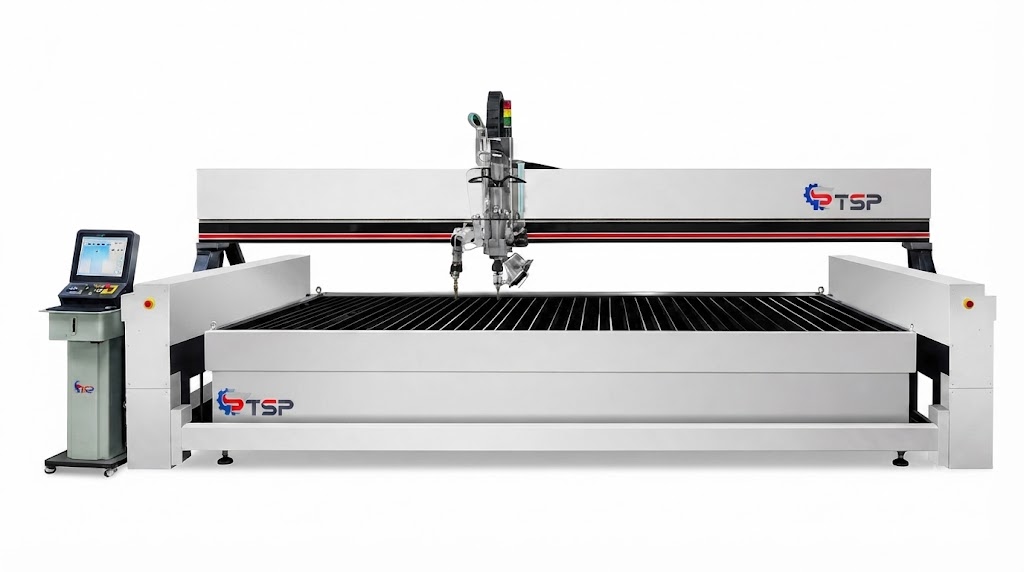
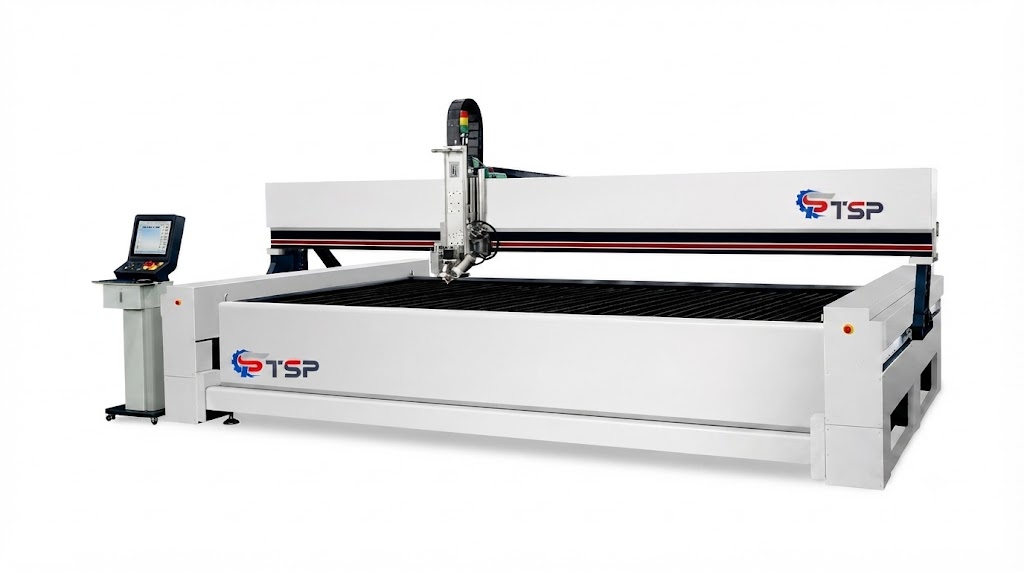
For most shops, our waterjet systems are the best solution. Because it uses a high-pressure water stream with garnet abrasive, it is a cold process. There is no Heat-Affected Zone (HAZ), no toxic smoke, and the material structure remains 100% intact.
2. CNC Routing: The Efficient Alternative
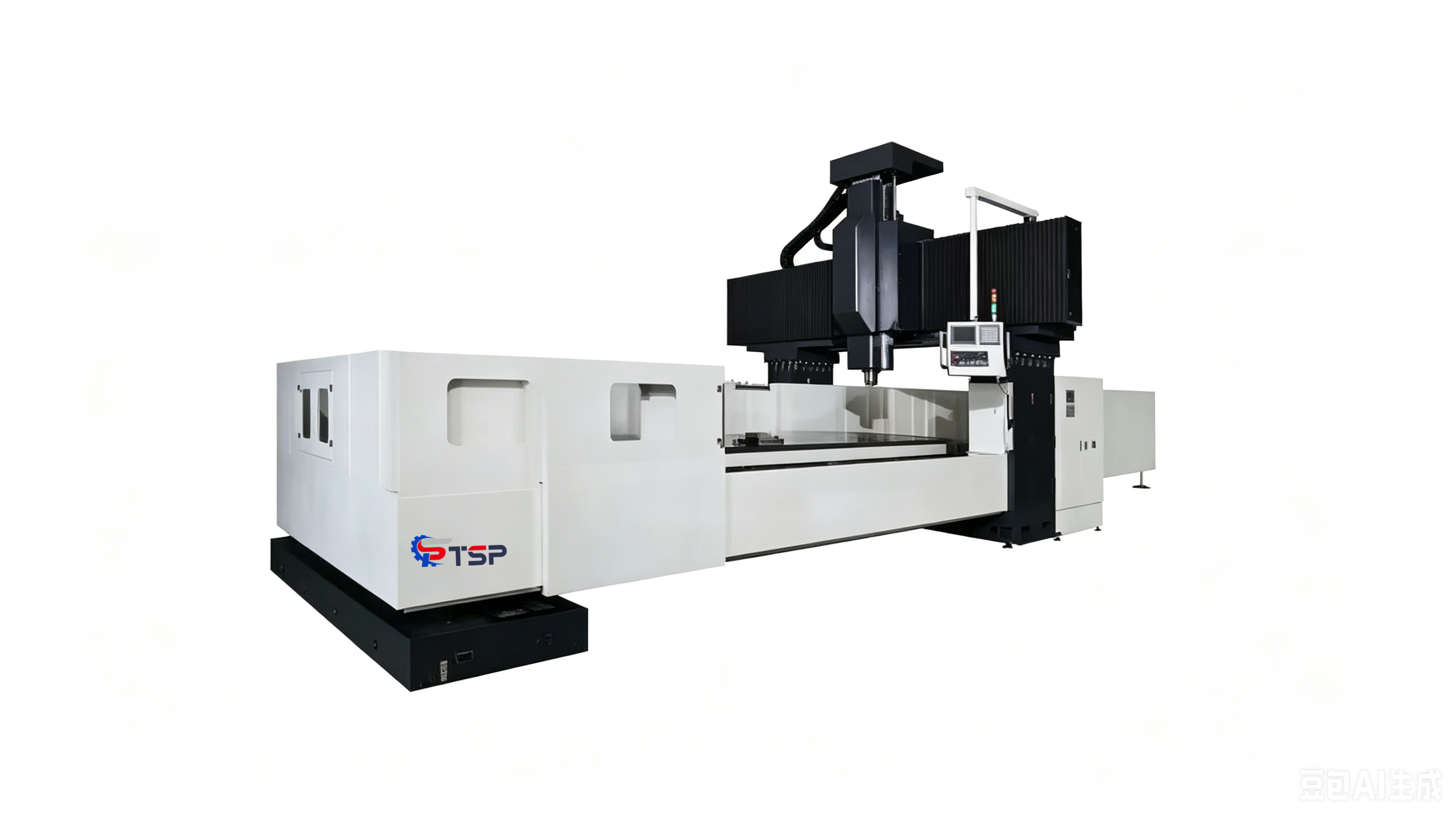
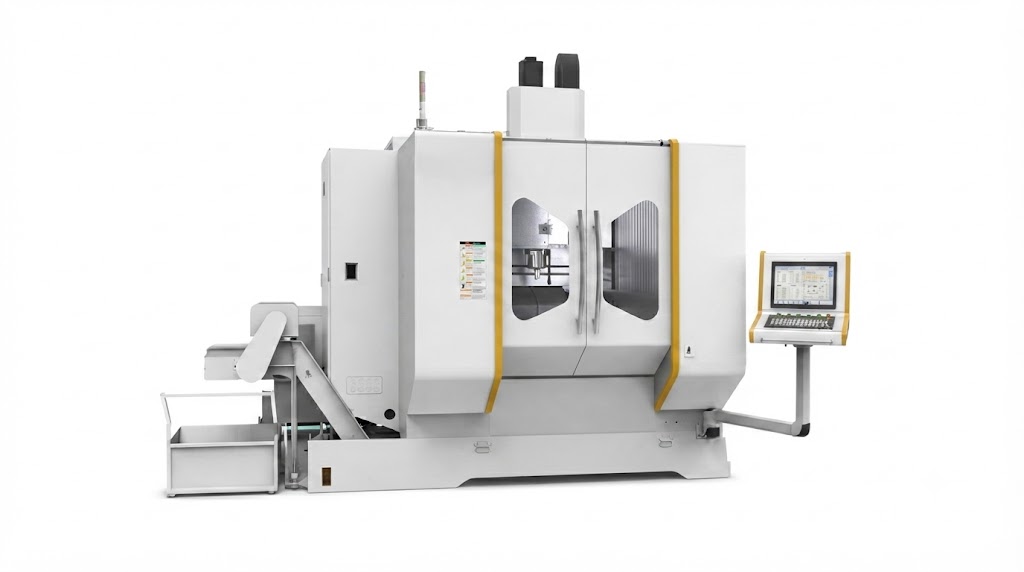
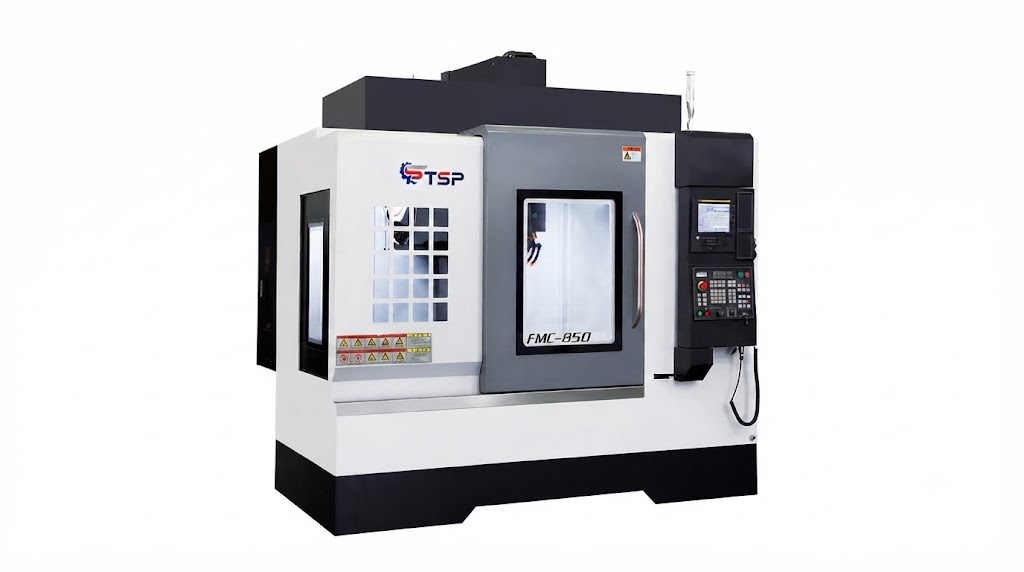
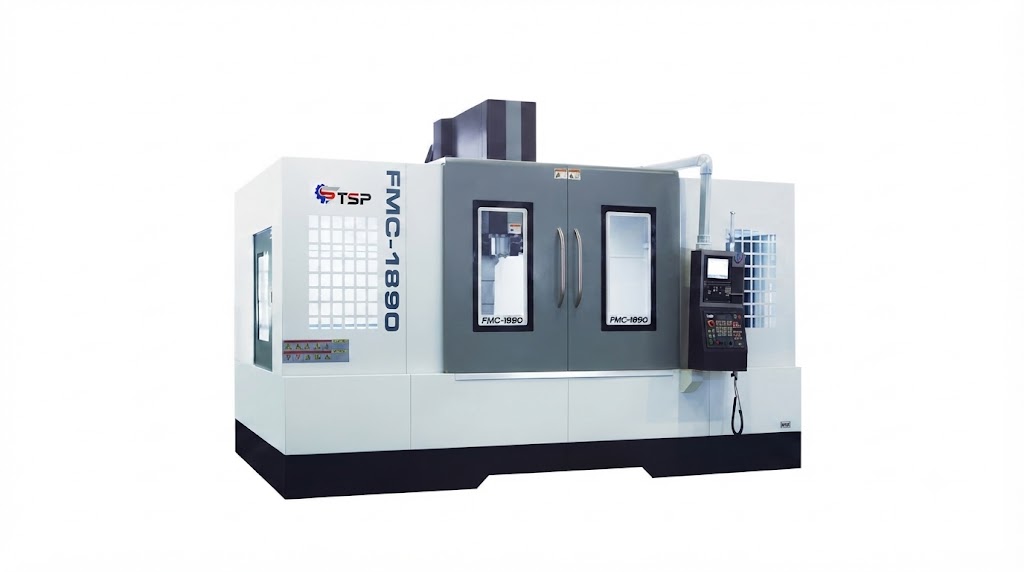
If you need to trim panels or cut simple geometries, our CNC routing solutions are both economical and highly effective. Using diamond-coated bits, we ensure clean cuts without the thermal mess.
Need Expert Advice?
Stop forcing your materials to fit your machine. Whether you are cutting heavy metals or complex composites, the team at TSP Laser is here to help you select the right technology for your specific output requirements.
Are you ready to optimize your cutting workflow? Contact our technical support team at TSP Laser today to discuss which of our machines—fiber laser, waterjet, or CNC router—is the perfect fit for your next project.