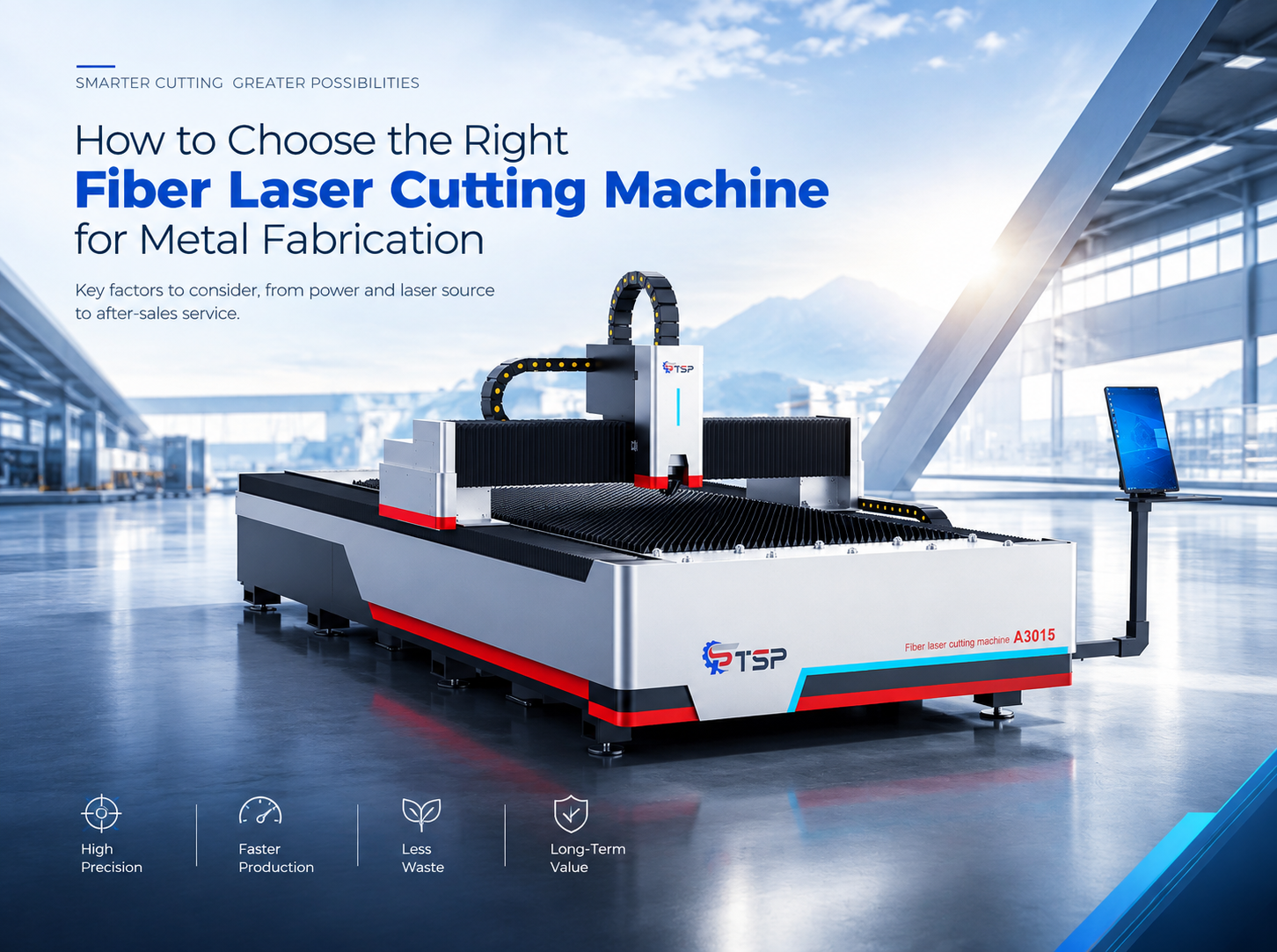



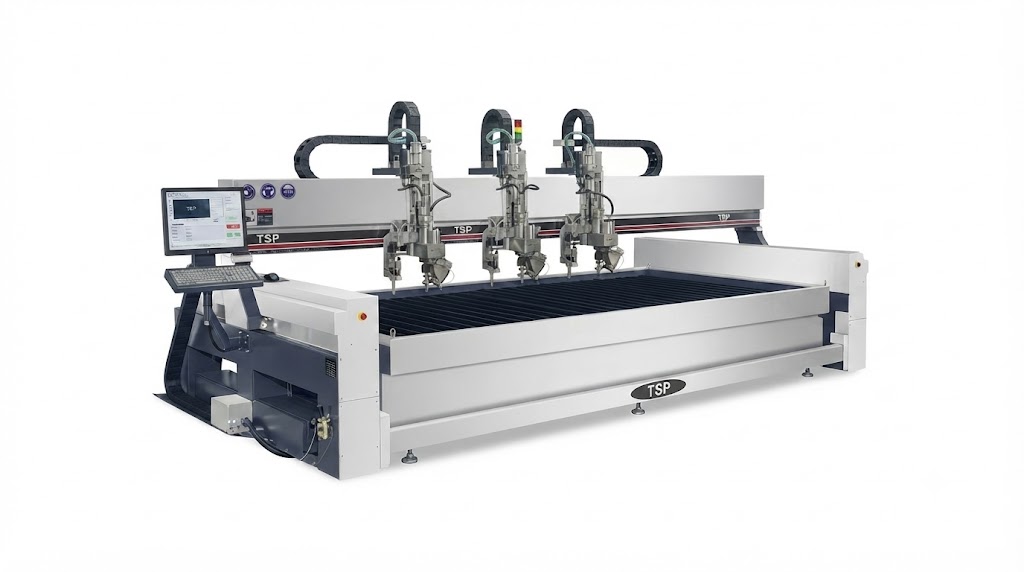
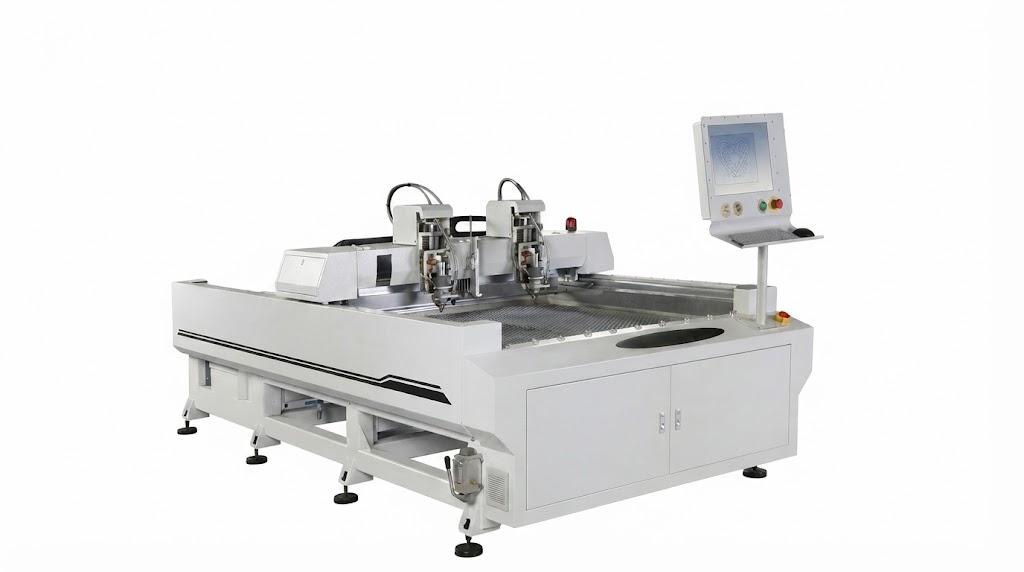
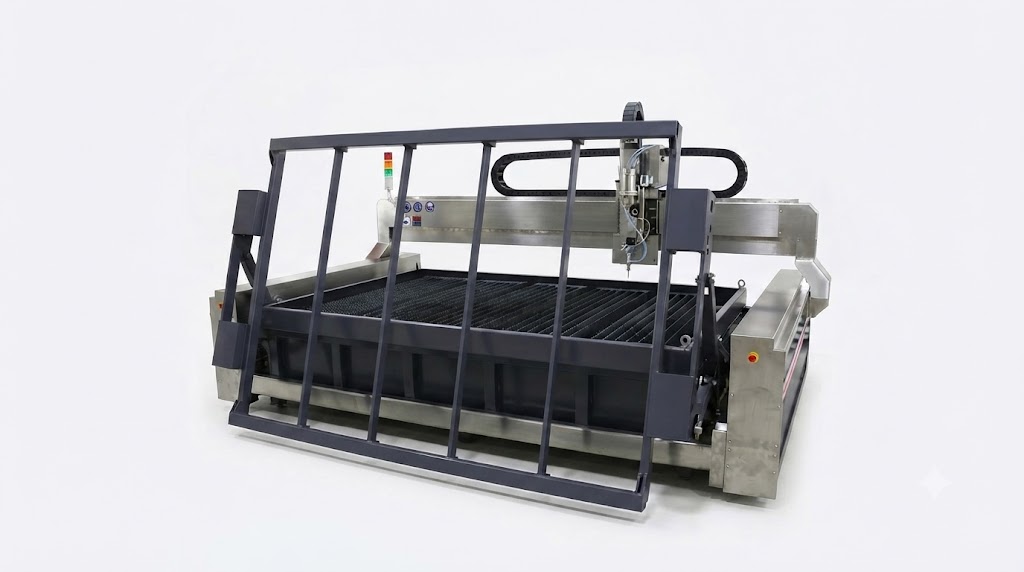
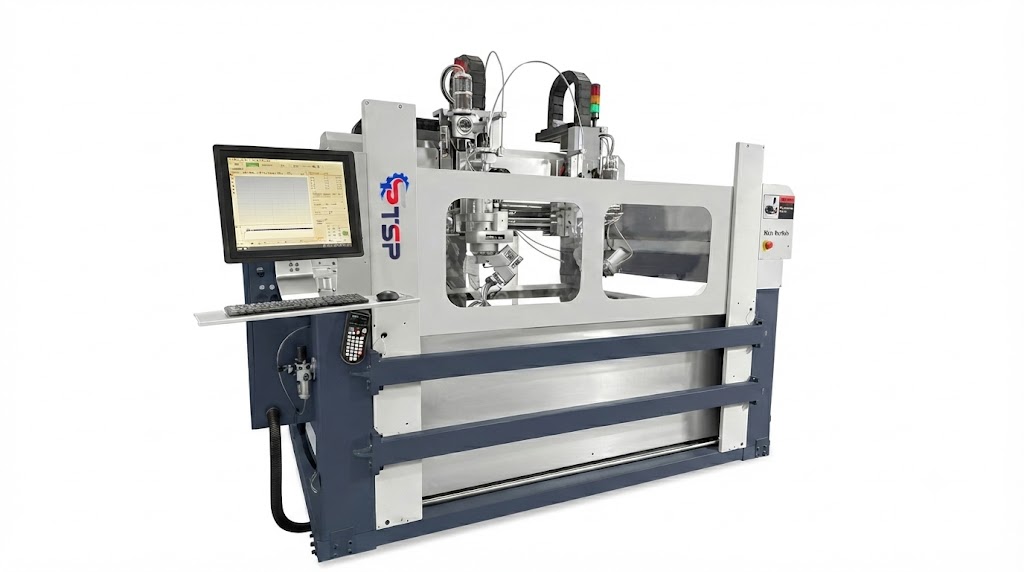
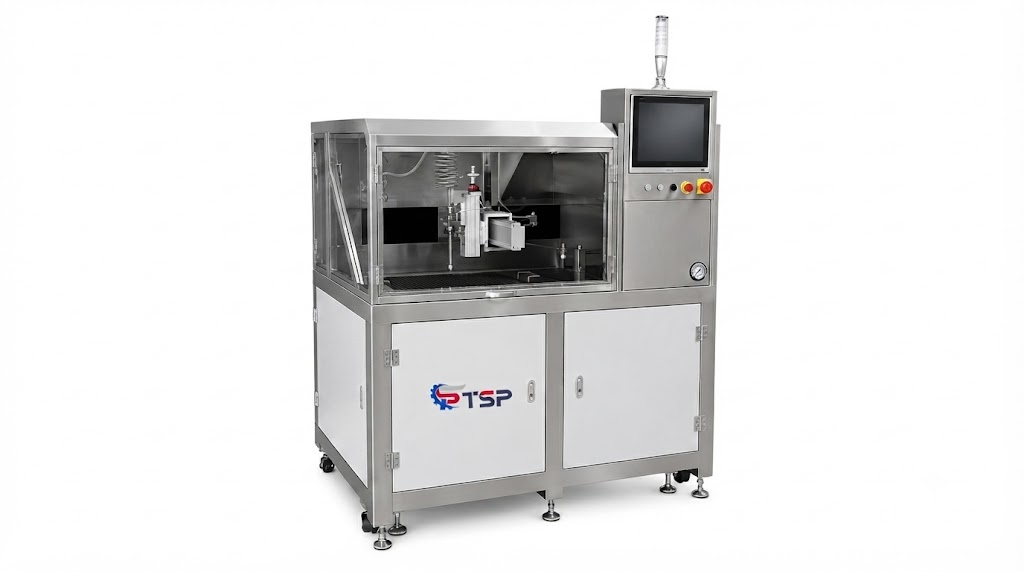
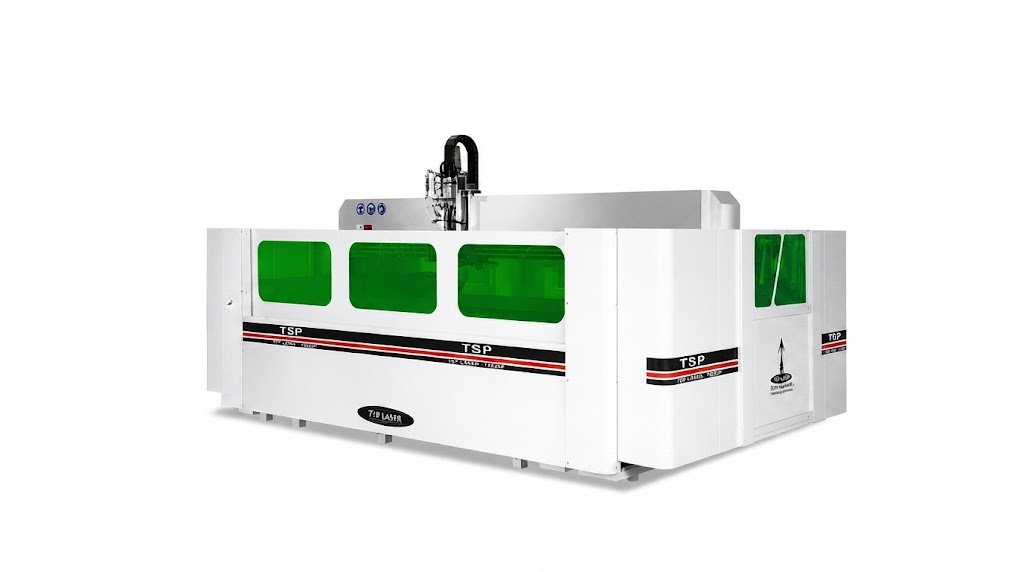
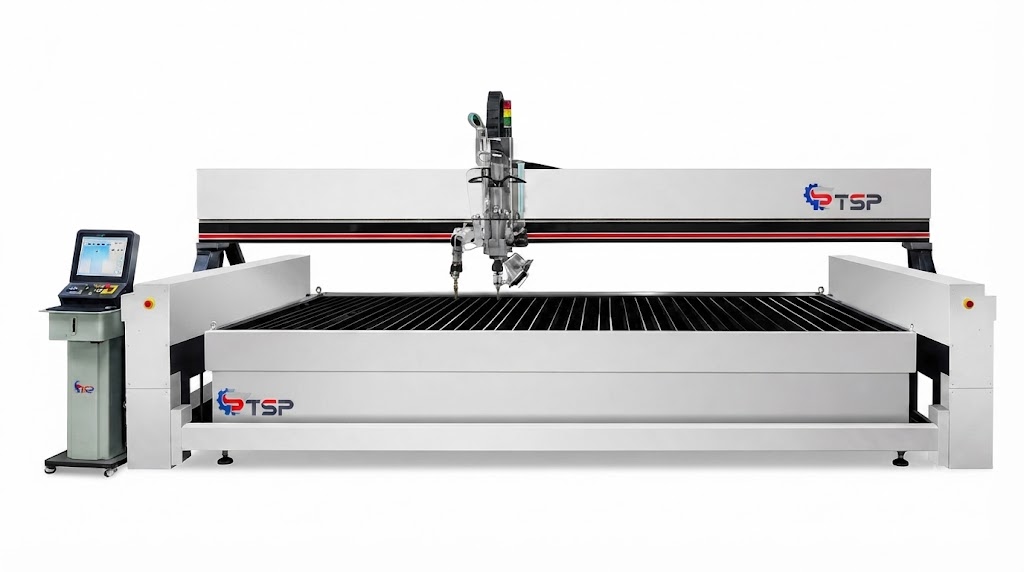
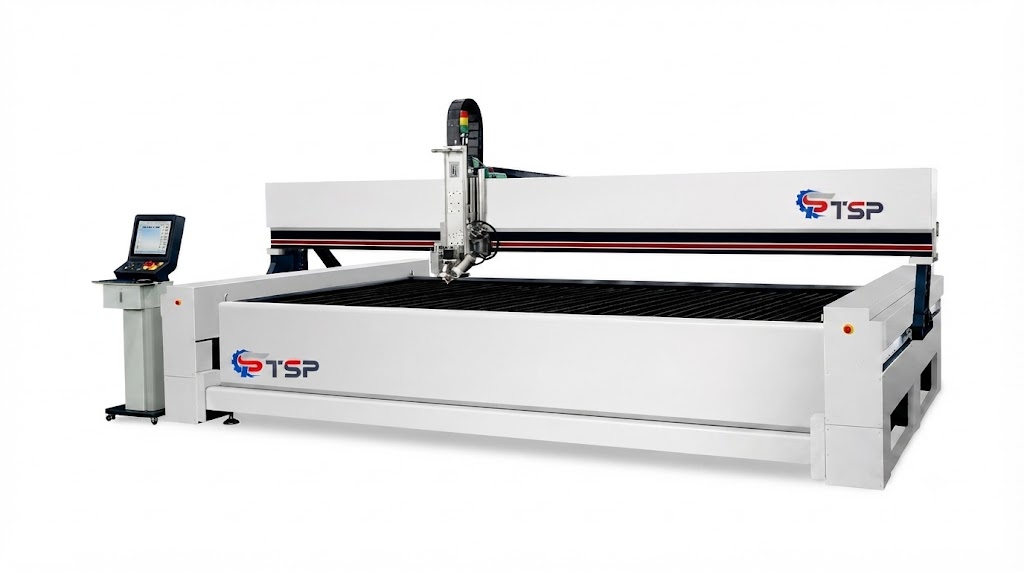


In the competitive landscape of industrial manufacturing, choosing the right laser cutting machine is a critical investment. For many businesses, the technical specifications—wavelength, beam mode, and power—can feel like an alphabet soup of jargon. However, understanding these three pillars is essential to ensuring your equipment matches your production needs and delivers long-term ROI.
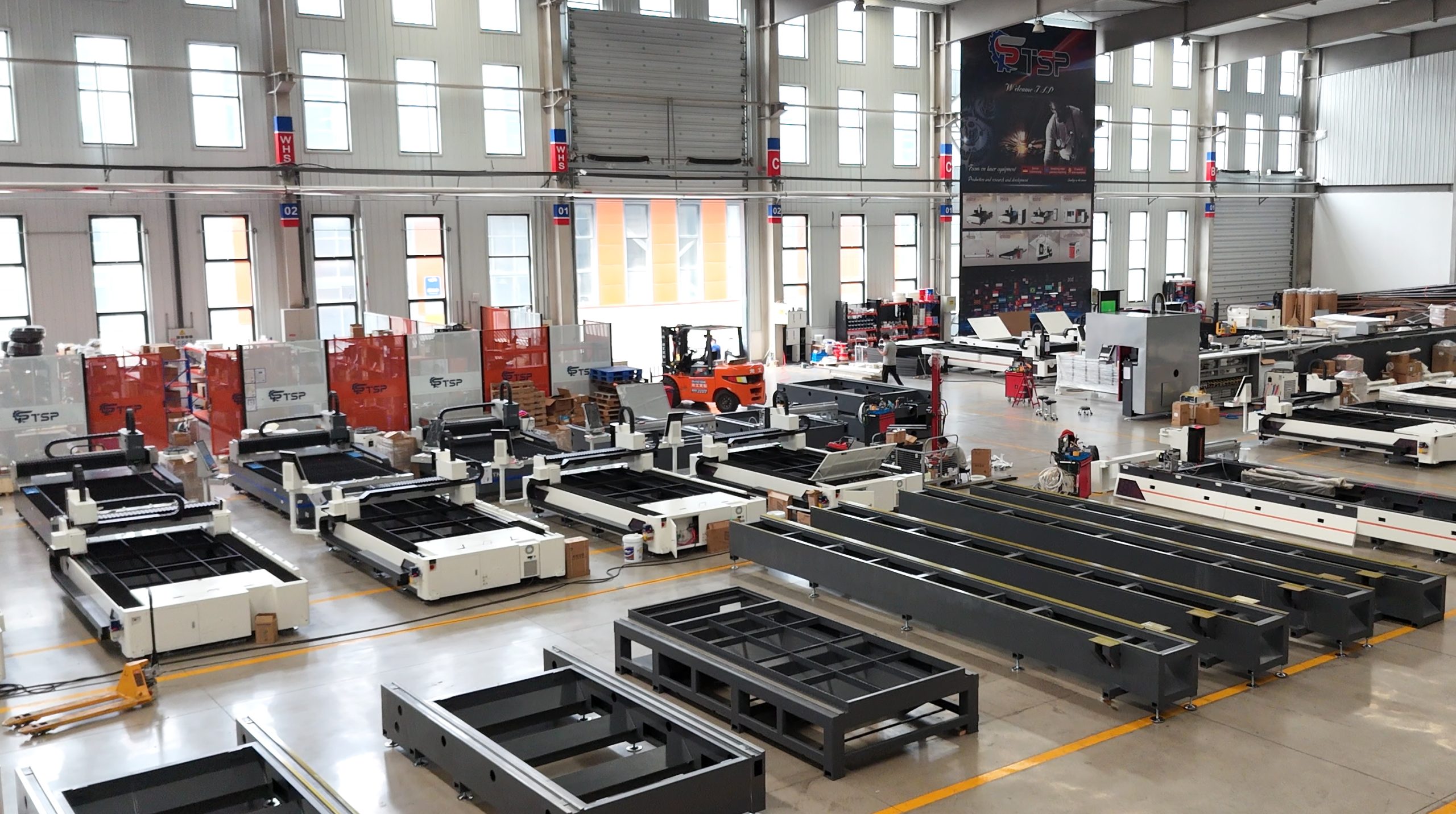
As a dedicated Technical Solutions Provider (TSP) with our own manufacturing facility and engineering offices, we have seen too many companies invest in the wrong hardware simply because they looked only at the price tag. Here is your professional guide to evaluating laser cutting capability.
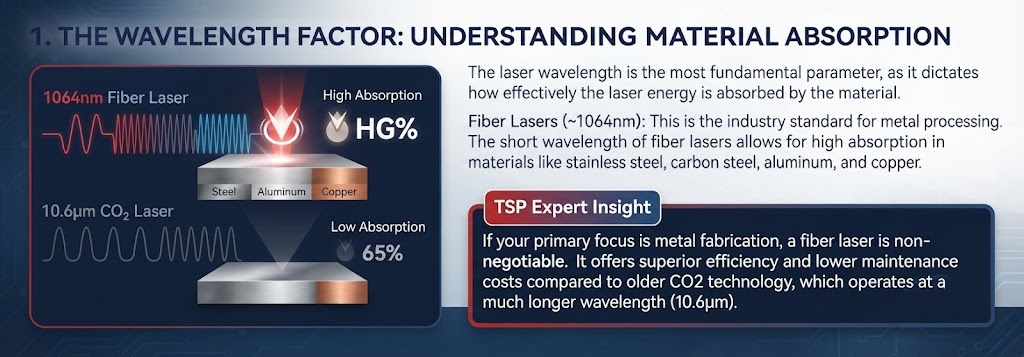
1. The Wavelength Factor: Understanding Material Absorption
The laser wavelength is the most fundamental parameter, as it dictates how effectively the laser energy is absorbed by the material.
Fiber Lasers (approx. 1064nm): This is the industry standard for metal processing. The short wavelength of fiber lasers allows for high absorption in materials like stainless steel, carbon steel, aluminum, and copper.
The TSP Insight: If your primary focus is metal fabrication, a fiber laser is non-negotiable. It offers superior efficiency and lower maintenance costs compared to older CO2 technology, which operates at a much longer wavelength (10.6μm).
2. Beam Mode (BPP): The Secret to Precision
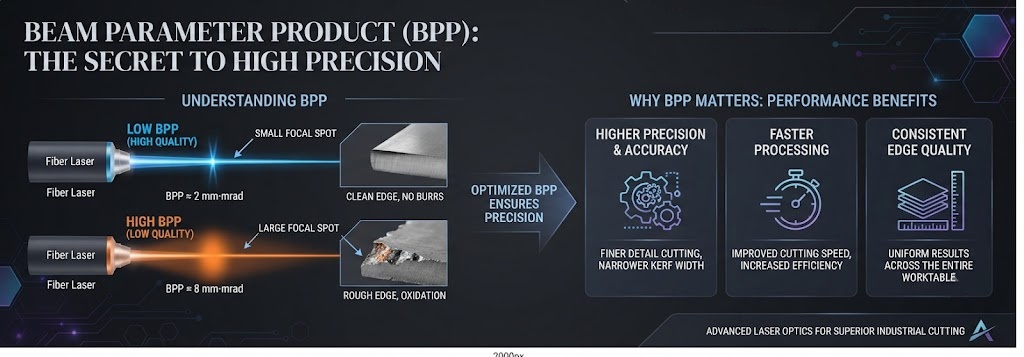
Many buyers fixate on power but ignore Beam Parameter Product (BPP). BPP measures the “quality” of the laser beam—essentially how tightly the light can be focused.
Low BPP = High Focusability: A lower BPP means the laser can be focused into a smaller, more intense spot. This is the difference between a clean, burr-free edge and a rough, oxidized cut.
Why It Matters: High beam quality allows for finer kerf widths and higher precision in intricate pattern cutting. Even with high power, a poor beam mode will result in slow cutting speeds and poor edge quality. At our facility, we prioritize machines with optimized optical paths to ensure that the beam quality remains consistent across the entire working bed.
3. Power Density: More Isn’t Always Better
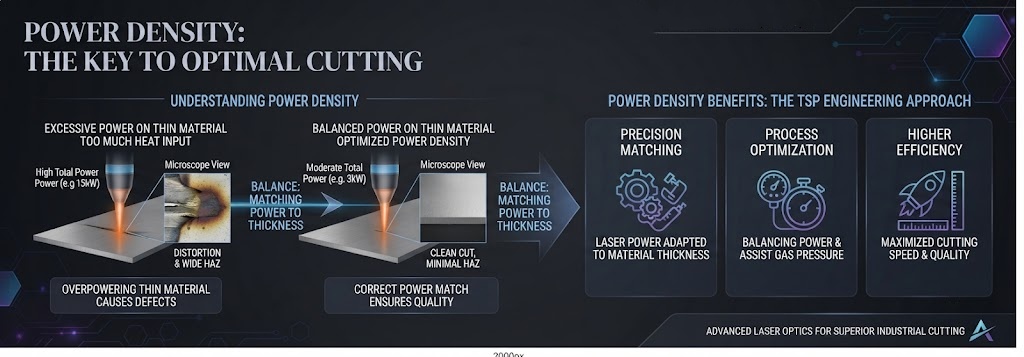
A common misconception is that “higher wattage is always better.” In reality, Power Density—the concentration of power over a specific area—is what matters.
Material Thickness vs. Speed: Increasing wattage allows you to cut thicker materials at higher speeds. However, excess power on thin materials can lead to excessive heat input, causing warping and a wider “Heat Affected Zone” (HAZ).
Balancing Act: A professional configuration requires matching the laser source power to your material thickness range. Our engineering team at TSP helps clients calculate the “sweet spot” where power meets gas pressure to achieve the most efficient cutting cycle.
Why Choose Us as Your TSP?
As a rising leader in the industry, we operate with a unique advantage: we are not just distributors. By integrating our own manufacturing plant with a dedicated technical support office, we offer:
Direct-from-Factory Quality Control: We oversee every stage of the assembly process.
Application-Specific Tuning: We don’t just sell machines; we provide process optimization. We test your specific material samples at our facility to ensure your machine is tuned for peak performance before it ever hits your floor.
Agile Technical Support: Being a TSP means we understand the hardware and the software. Our engineers are on standby to help you navigate integration challenges, ensuring your transition to high-precision laser cutting is seamless.

Final Verdict: Make Data-Driven Decisions
When you are ready to evaluate your next laser cutter, don’t look at the brochure specs in isolation. Look for the synergy between wavelength compatibility, superior beam quality, and an optimized power-to-material ratio.
Ready to find the perfect solution for your production line? Contact our technical team today to schedule a consultation or a sample cutting test. We’ll help you decode the specs and choose the machine that’s built for your success.