
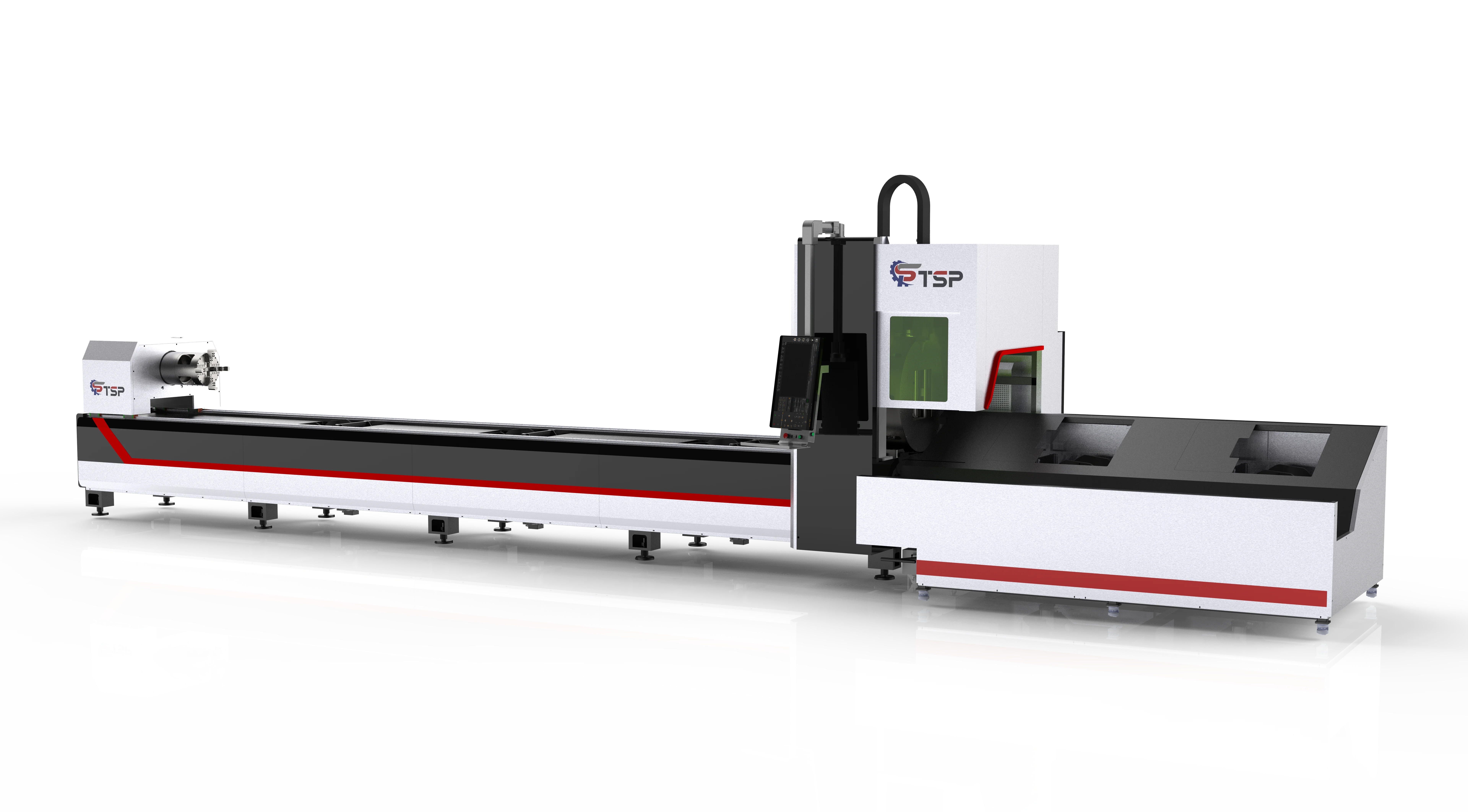
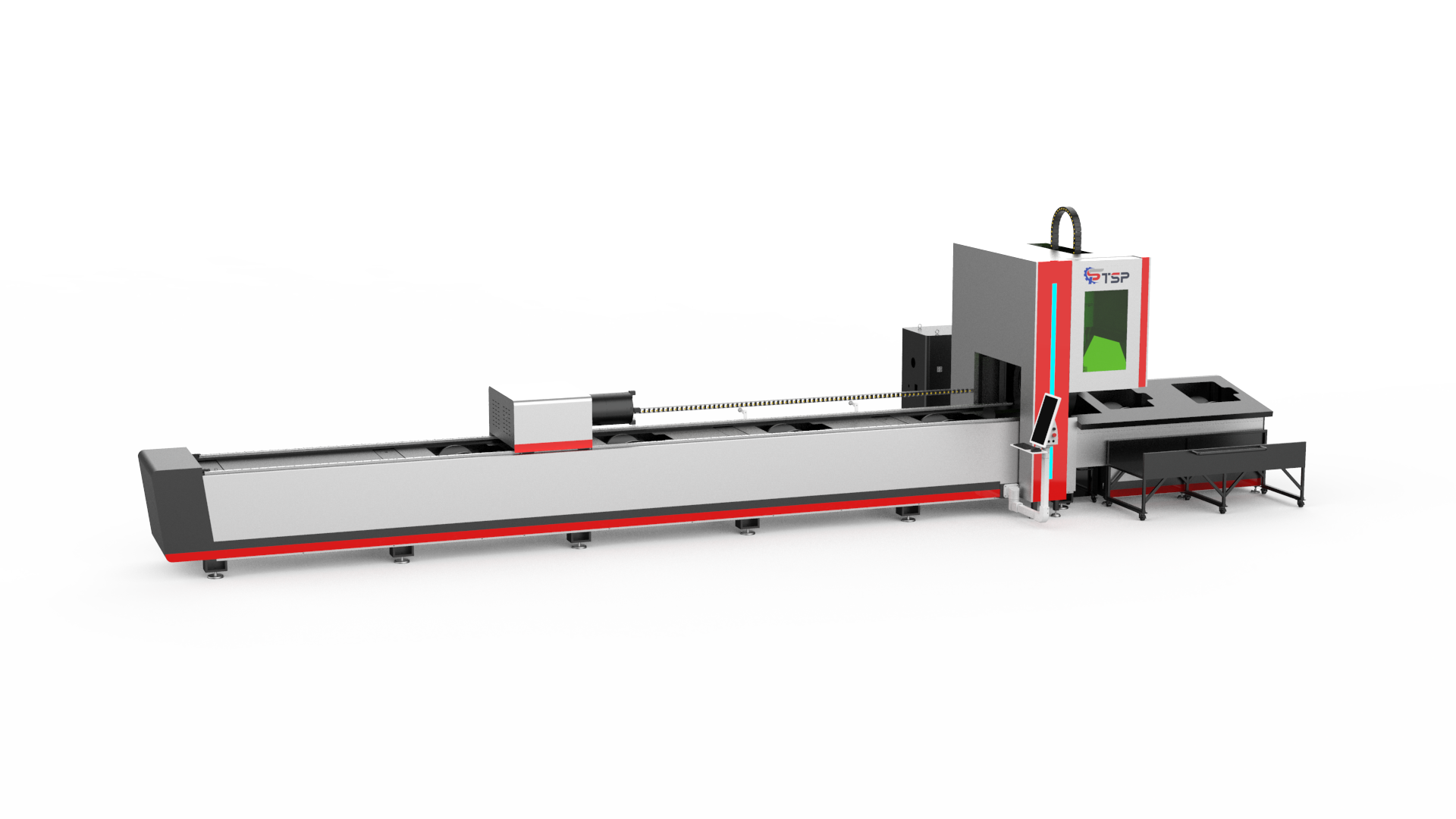


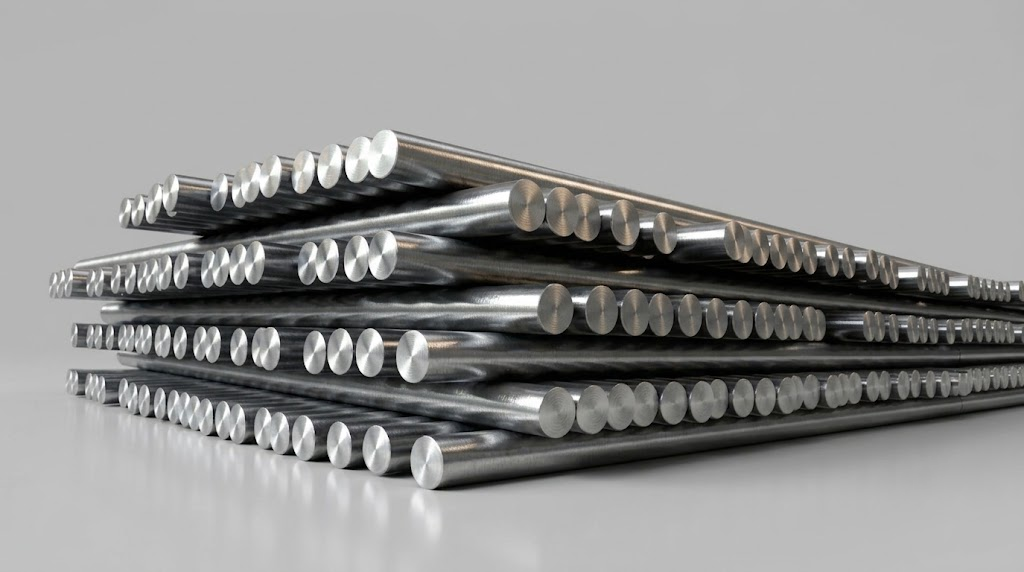
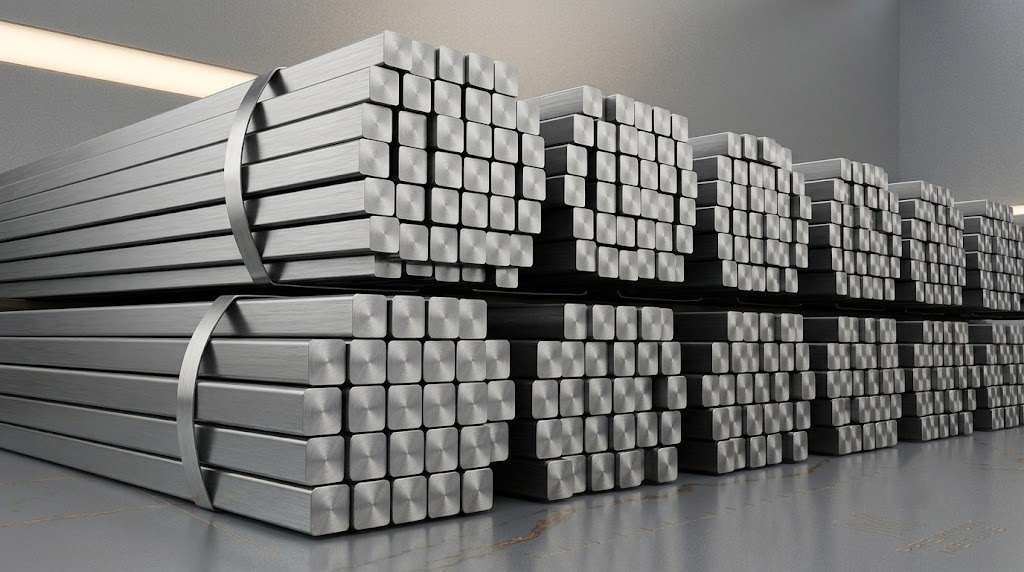
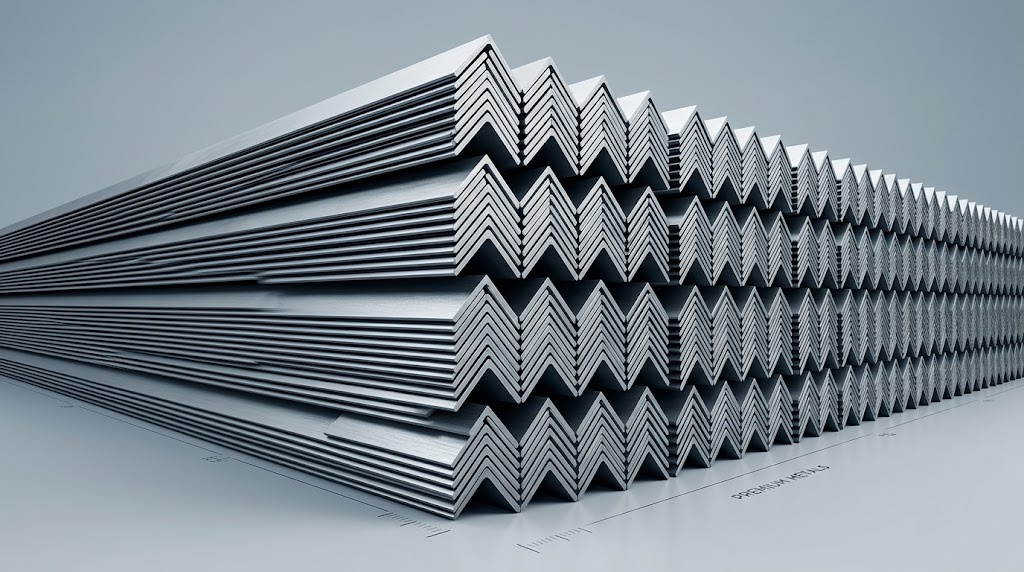
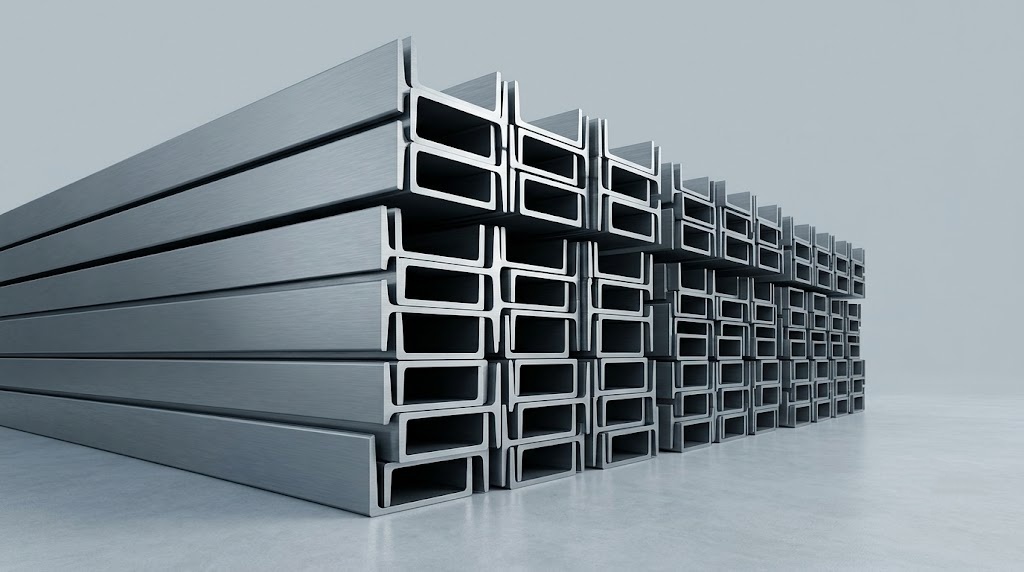
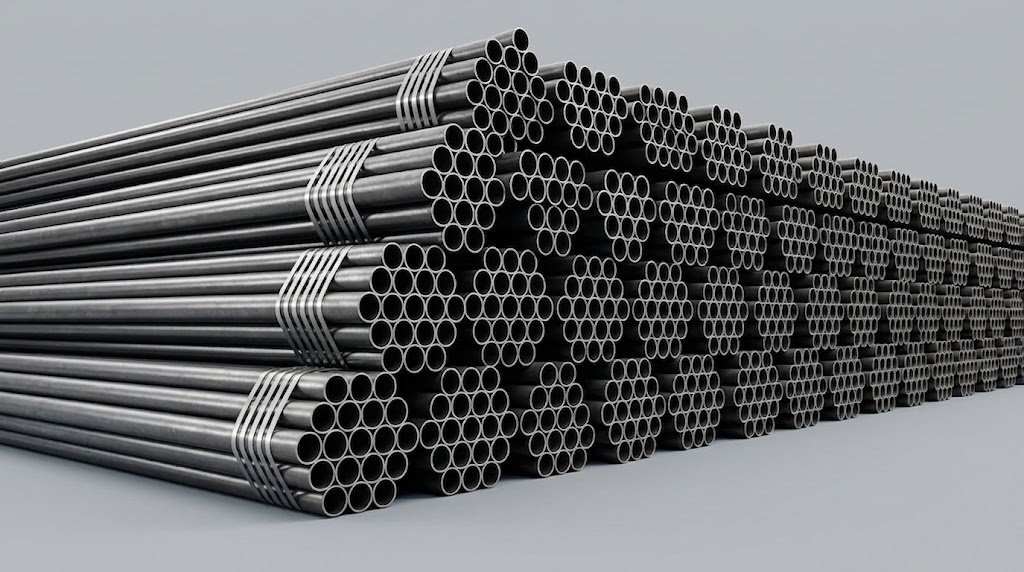

When it comes to tube laser cutting, cutting speed is only part of the equation.
For manufacturers working with steel tubes, stainless steel pipes, aluminum profiles, square tubes, rectangular tubes, and other metal profiles, the real challenge is achieving clean edges, accurate dimensions, smooth corners, consistent holes, and stable cutting quality from the first piece to the last.
A high-performance tube laser cutting machine can significantly improve production efficiency, but the final cutting quality depends on much more than the machine’s laser power.
So, what actually affects pipe and tube cutting quality?
In this guide, TSP Laser explains the 9 key factors that determine tube laser cutting results and how manufacturers can achieve more consistent, precise, and reliable processing.
1. Material Type and Material Quality
The first factor affecting tube cutting quality is the material itself.
Different metals have different thermal conductivity, reflectivity, hardness, and melting characteristics. These properties directly influence how the laser interacts with the workpiece.
Common materials processed by tube laser cutting machines include:
Carbon steel
Stainless steel
Aluminum
Galvanized steel
Copper and brass
Various alloy materials
Even tubes made from the same material can produce different cutting results if their surface condition or material composition is different.
For example, rust, oil, oxidation, coatings, and surface contamination can interfere with the laser cutting process and may result in:
Excessive dross
Uneven edges
Poor hole quality
Increased slag
Unstable cutting performance
For consistent results, manufacturers should use materials with stable quality and keep the tube surface as clean as possible before cutting.
2. Laser Power and Cutting Capacity
Laser power is another important factor, but higher power does not automatically mean better cutting quality.
The appropriate laser power should match the material type, tube thickness, and required cutting speed.
For example, a thin stainless steel tube does not require the same laser power as a thick carbon steel pipe.
If the laser power is too low, the machine may experience:
Incomplete penetration
Slow cutting
Excessive heat accumulation
Rough cutting edges
If the power is unnecessarily high, it can increase heat input and may negatively affect the cutting process.
Therefore, selecting the right combination of laser power, material, thickness, cutting speed, and gas parameters is more important than simply choosing the highest-power laser source.
At TSP Laser, different tube laser cutting machine configurations can be matched to different production requirements, helping customers select a practical solution rather than simply choosing excessive power.
3. Cutting Speed
Cutting speed has a direct relationship with cutting quality.
When the cutting speed is too high, the laser may not have enough time to completely melt and remove the material. This can cause incomplete cuts, rough edges, or excessive dross.
When the speed is too slow, too much heat can accumulate around the cutting area, potentially causing:
Excessive heat-affected areas
Wider kerfs
Deformation
Poor edge quality
The ideal cutting speed depends on several variables, including:
Material + Thickness + Laser Power + Assist Gas + Nozzle + Focus Position
This means there is no universal cutting speed that works perfectly for every tube.
A professional tube laser cutting machine should provide flexible parameter control so operators can optimize the cutting process for different materials and thicknesses.
4. Assist Gas and Gas Pressure
Assist gas plays a critical role in laser cutting.
The gas helps remove molten material from the cutting zone while also affecting the thermal behavior of the cutting process.
Common assist gases include:
Oxygen
Nitrogen
Air
Different gases are suitable for different applications.
Oxygen Cutting
Oxygen is commonly used for carbon steel because it supports an oxidation reaction that can increase cutting efficiency.
Nitrogen Cutting
Nitrogen is widely used for stainless steel and other applications where a clean, oxidation-free cutting edge is required.
Air Cutting
Compressed air can be an economical option for certain materials and thicknesses, depending on the required cutting quality.
Gas pressure also matters.
If the pressure is too low, molten material may not be removed effectively, resulting in dross and rough edges.
If the pressure is too high, it may disturb the cutting process and increase gas consumption.
Therefore, gas type and gas pressure should always be matched with the material, thickness, laser power, and cutting parameters.
5. Laser Focus Position
The laser focus determines where the highest energy density is concentrated.
An incorrect focus position can significantly reduce cutting performance
Depending on the material and thickness, the focus position may need to be adjusted to achieve the best balance between penetration, cutting speed, and edge quality.
Incorrect focus settings may result in:
Rough cutting edges
Increased dross
Incomplete penetration
Reduced cutting speed
Poor small-hole quality
For this reason, the laser cutting head and its focusing system are important components of a tube laser cutting machine.
A stable focusing system allows the machine to maintain the required laser energy distribution during the cutting process.
6. Nozzle Condition and Alignment
The nozzle is a small component, but it has a major influence on cutting quality.
The nozzle controls the flow of assist gas around the laser beam. If the nozzle is damaged, contaminated, incorrectly selected, or poorly aligned, the gas flow may become unstable.
This can lead to:
Uneven cutting
Excessive dross
Poor edge quality
Unstable small-hole cutting
Reduced process consistency
Operators should regularly check the nozzle for wear, contamination, and deformation.
Nozzle selection should also match the material and cutting application.
In high-volume production, maintaining the condition of the nozzle is a simple but important part of maintaining consistent tube cutting quality.
7. Tube Positioning and Clamping Accuracy
Tube laser cutting is different from flat-sheet laser cutting because the workpiece must rotate and remain accurately positioned during processing.
This makes the chuck, clamping system, tube support system, and mechanical transmission especially important.
If the tube is not properly centered or securely clamped, the cutting position may shift during rotation.
The result can be:
Dimensional errors
Misaligned holes
Incorrect cutting angles
Inconsistent shapes
Reduced repeatability
A professional tube laser cutting machine should provide a stable and precise tube positioning system.
For long or heavy tubes, proper support is particularly important because workpiece deflection can also affect cutting accuracy.
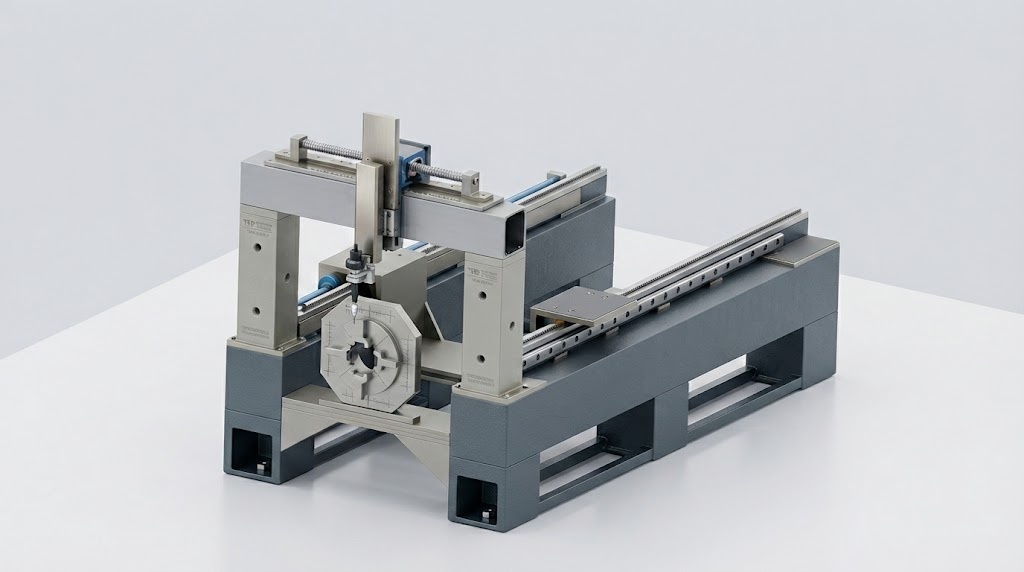
8. Machine Structure and Mechanical Precision
Even with an excellent laser source, poor mechanical performance can limit the final cutting quality.
The machine’s mechanical structure determines how accurately the cutting head can move and position itself.
Important components include:
Machine bed
Guide rails
Transmission system
Servo motors
Chuck system
Cutting head
Tube support system
A rigid machine structure helps reduce vibration during high-speed movement.
Stable transmission and high-precision positioning help maintain the relationship between the programmed cutting path and the actual workpiece.
This becomes particularly important when processing:
Small holes
Complex contours
Closely spaced features
Long tubes
High-speed applications
For this reason, machine stability is just as important as laser power when evaluating a tube laser cutting machine.
9. Cutting Software and Process Parameters
Modern tube laser cutting is not simply about moving a laser along a programmed path.
The software needs to coordinate multiple processes, including:
Tube positioning
Tube rotation
Cutting path generation
Piercing
Cutting parameters
Hole processing
Collision avoidance
Workpiece support
Automatic nesting
Good software can help operators manage complex tube cutting jobs more efficiently and reduce programming errors.
For manufacturers processing different tube shapes and sizes every day, an intuitive control system can significantly reduce setup time and improve production consistency.
Why Do Laser-Cut Tubes Sometimes Have Burrs or Dross?
Burrs and dross are among the most common problems encountered during tube laser cutting.
They can be caused by several factors rather than a single problem.
Typical causes include:
Incorrect cutting speed
The speed is not properly matched with the material and thickness.
Incorrect laser focus
The focal position is not optimized for the workpiece.
Insufficient or excessive gas pressure
The molten material is not removed efficiently.
Incorrect assist gas
The selected gas is not suitable for the required cutting result.
Worn or damaged nozzle
The gas flow becomes unstable.
Unstable material positioning
The tube moves or rotates inaccurately during cutting.
Incorrect cutting parameters
Power, speed, frequency, duty cycle, and other parameters are not properly matched.
This is why simply increasing laser power is rarely the correct solution to a cutting-quality problem.
A systematic approach is more effective: check the material, gas, nozzle, focus, speed, positioning, and machine parameters one by one.
Why Does Hole Quality Matter in Tube Laser Cutting?
For many tube-processing applications, the quality of holes is just as important as the quality of the outer contour.
Tubes are often used for:
Steel structures
Furniture
Automotive components
Agricultural machinery
Fitness equipment
Construction equipment
Railings
Frames
Mechanical components
These applications may require hundreds or thousands of holes, slots, and connection points.
Poor hole quality can lead to:
Difficult assembly
Dimensional inconsistencies
Increased secondary processing
Poor appearance
Reduced production efficiency
A high-quality tube laser cutting machine should therefore provide stable control over laser power, focus, gas, motion, and tube rotation to achieve consistent hole processing.
How to Choose a Tube Laser Cutting Machine for Better Cutting Quality
When purchasing a tube laser cutting machine, buyers often focus primarily on laser power and maximum cutting thickness.
However, a more complete evaluation should include the entire machine system.
Consider the following:
1. What materials will you process?
Carbon steel, stainless steel, aluminum, brass, and other materials may require different configurations.
2. What tube shapes do you need to cut?
A machine may need to process:
Round tubes
Square tubes
Rectangular tubes
H-beams
Angle steel
Channel steel
Special-shaped profiles
3. What tube sizes and lengths do you need?
The machine should match your actual production requirements rather than theoretical maximum capacity.
4. What thickness range do you normally process?
Choose the laser power and cutting head according to your actual material thickness.
5. How important is hole quality?
If your products contain many holes or complex profiles, software capability and mechanical precision become especially important.
6. What production volume do you have?
For high-volume production, automation, loading and unloading systems, chuck performance, and overall machine stability can have a major impact on productivity.
Tube Laser Cutting Quality Is a System, Not a Single Specification
The final quality of a laser-cut tube is determined by the interaction of multiple factors.
A simple way to understand it is:
Material → Laser → Cutting Head → Assist Gas → Nozzle → Motion System → Chuck → Software → Cutting Parameters
If one part of the system is not properly matched, the final cutting result can be affected.
That is why choosing a tube laser cutting machine should not be based only on laser power, cutting thickness, or maximum speed.
The real question is:
Can the complete machine system consistently deliver the cutting quality your production requires?
TSP Laser: Built for Stable Tube Cutting Performance
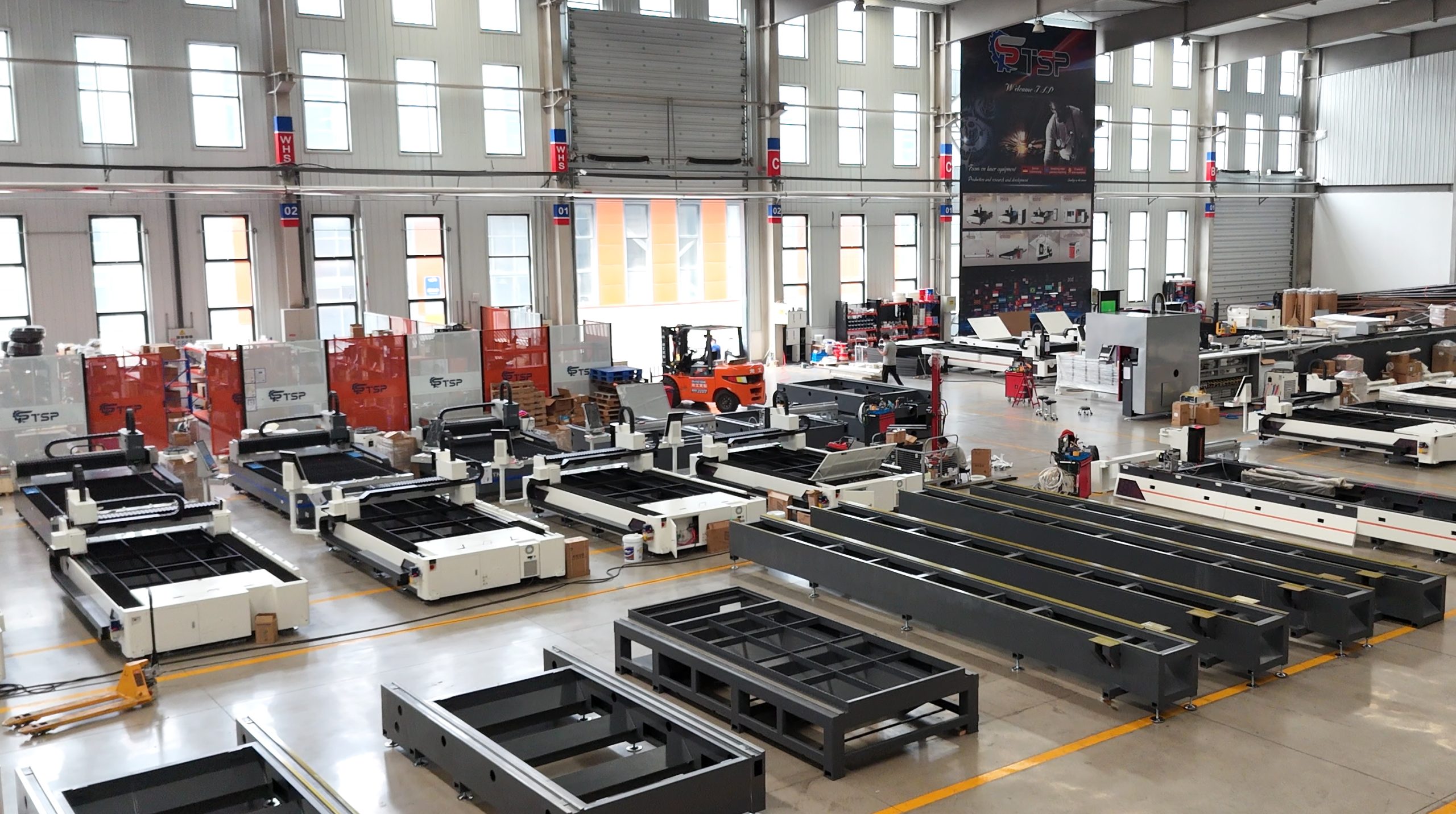
At TSP Laser, we focus on the development and manufacturing of industrial laser equipment, including fiber laser cutting machines and tube laser cutting solutions.
Our goal is not simply to provide a machine with a powerful laser source. We focus on building a complete cutting system that combines:
Stable machine structure
Reliable laser sources
Precision motion systems
Professional laser cutting heads
Tube positioning and clamping systems
Optimized cutting parameters
Intelligent control software
Production-oriented machine configurations
Different manufacturers have different requirements. A furniture manufacturer may prioritize small-hole accuracy and appearance, while a steel structure manufacturer may prioritize thick-wall tube cutting and production efficiency.
Therefore, the right tube laser cutting machine should be selected according to the material, tube size, thickness, production volume, cutting requirements, and level of automation.
Final Thoughts
High-quality tube laser cutting is the result of many factors working together.
From material quality and laser power to cutting speed, assist gas, focus position, nozzle condition, chuck accuracy, machine structure, and software, every part of the process can influence the final result.
If you are experiencing burrs, dross, inaccurate holes, rough edges, inconsistent dimensions, or unstable tube cutting quality, the problem may not be the laser power alone.
A systematic evaluation of the entire cutting process is the better way to identify the cause and improve performance.
At TSP Laser, we help customers select laser cutting solutions based on their actual production requirements rather than simply recommending the highest-power machine.
Looking for a tube laser cutting machine for your production? Contact TSP Laser to discuss your material, tube size, thickness, and cutting requirements. Our team can recommend a suitable configuration for your application.