
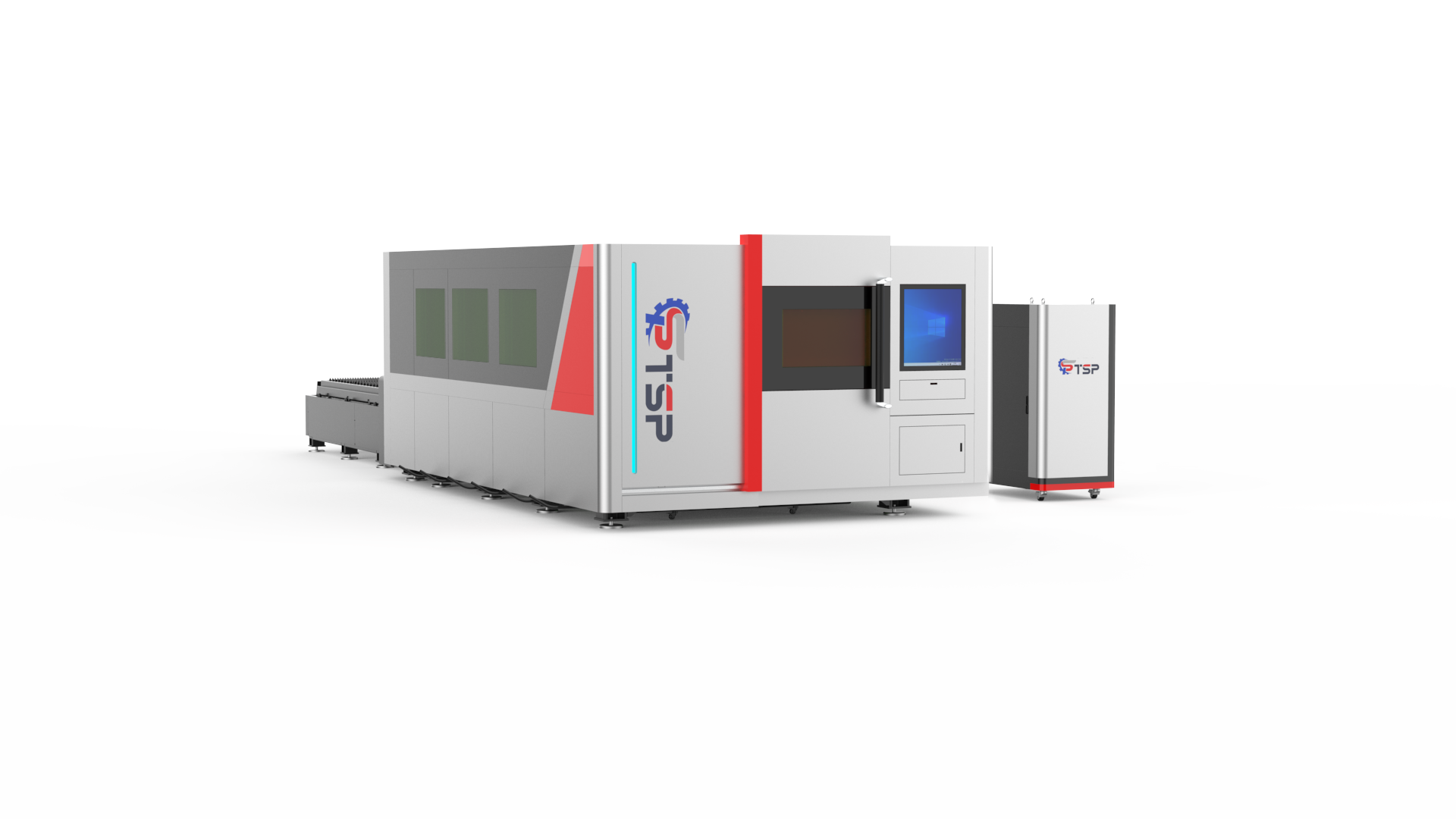

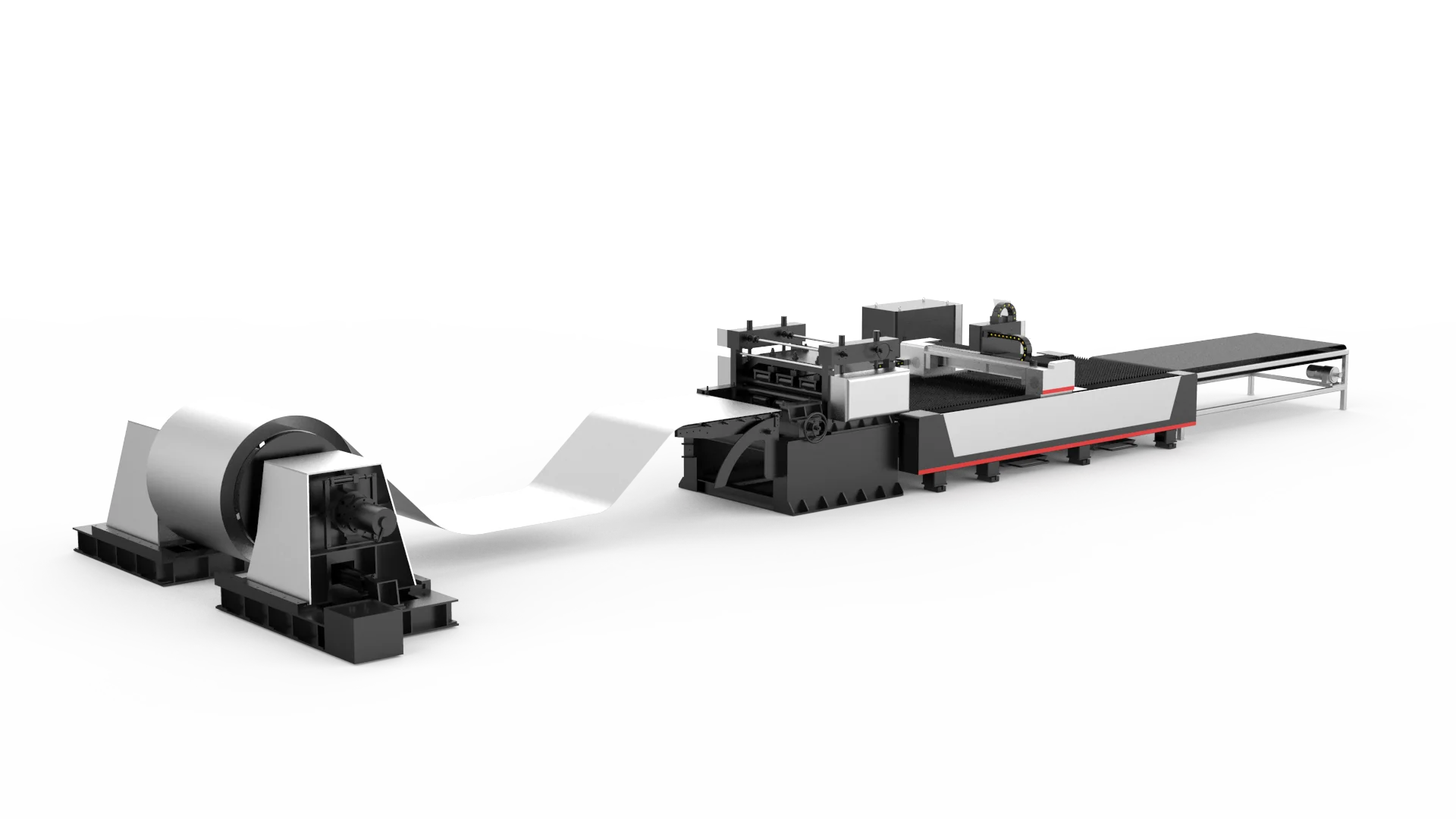
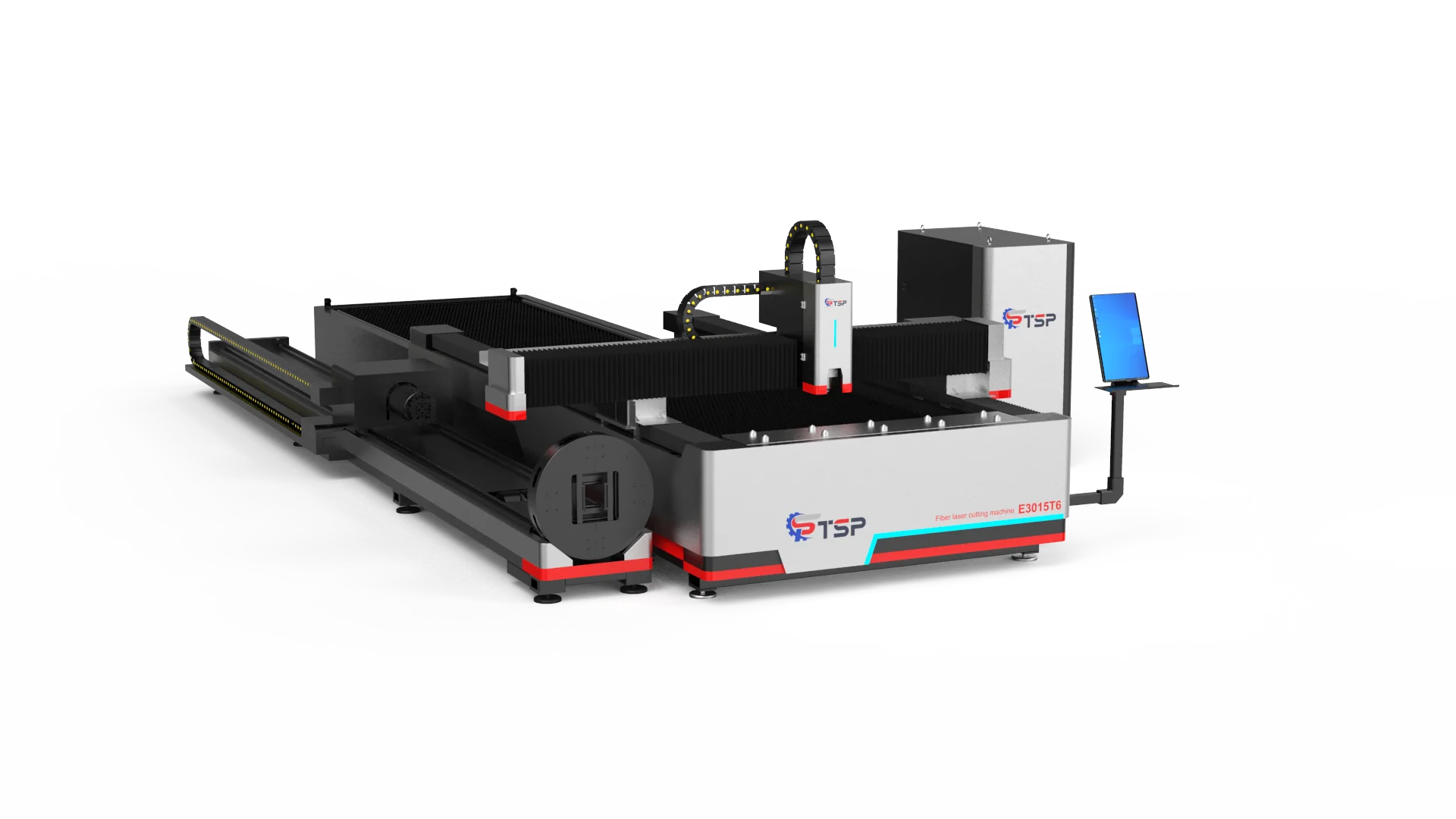
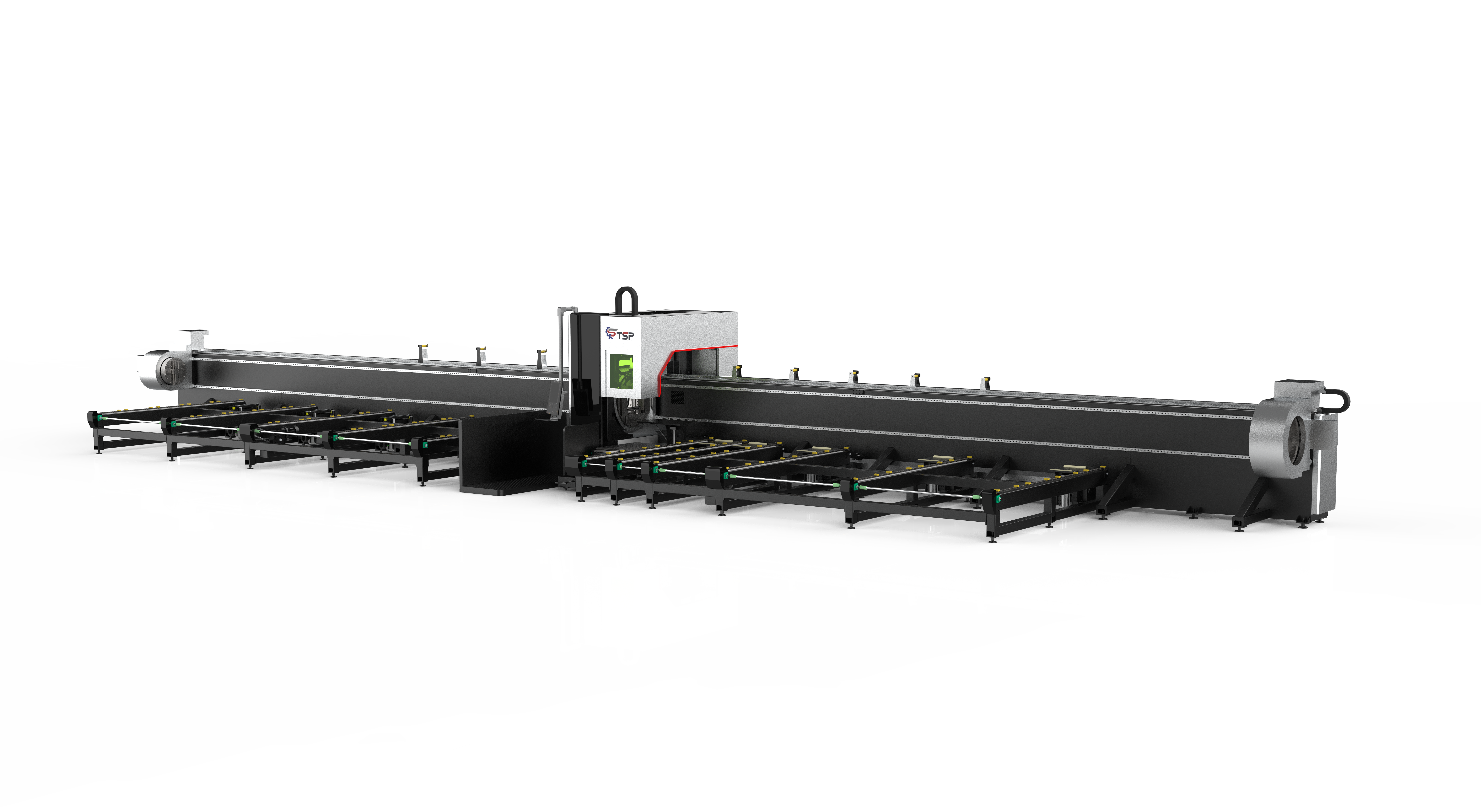


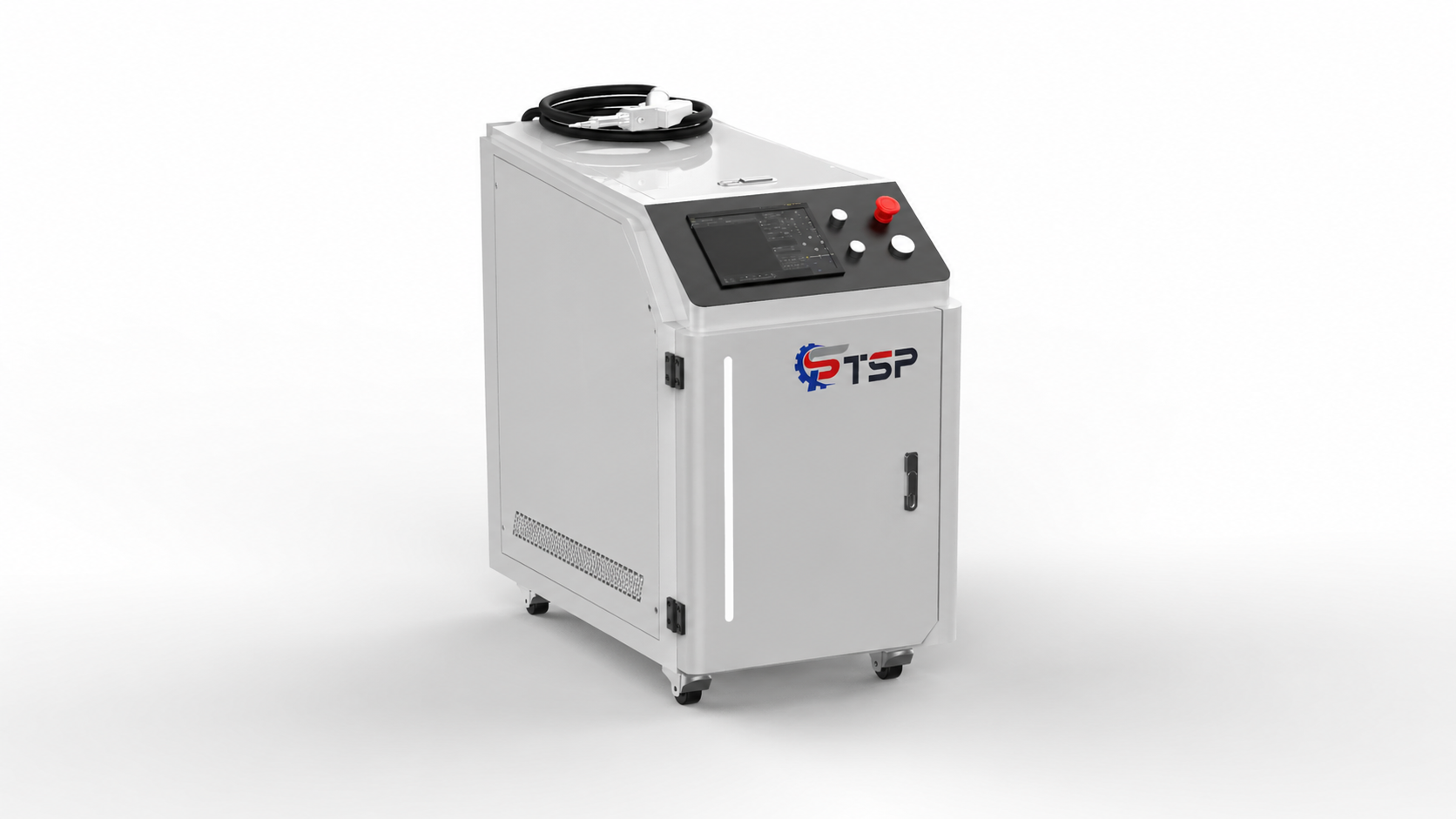
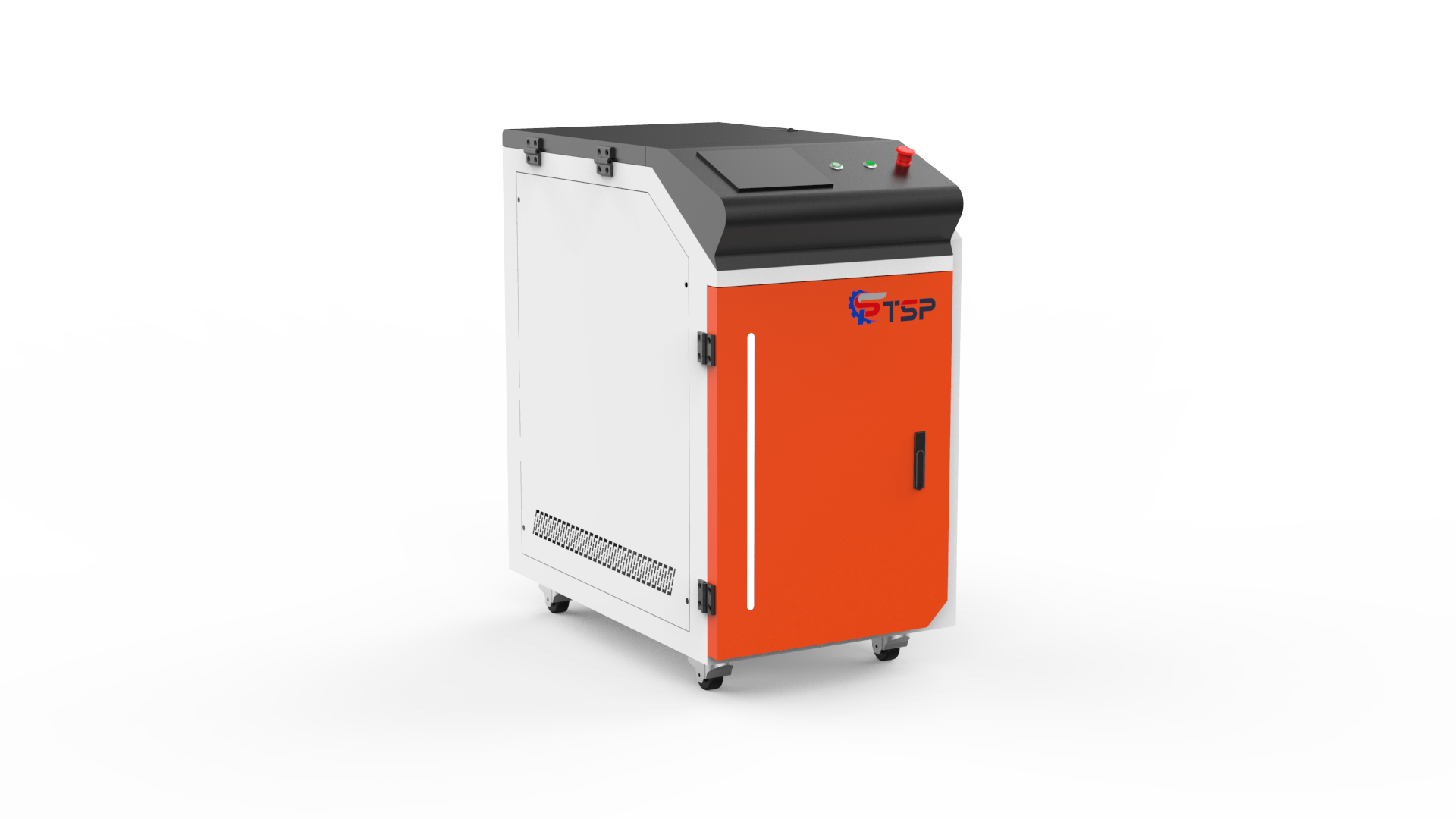
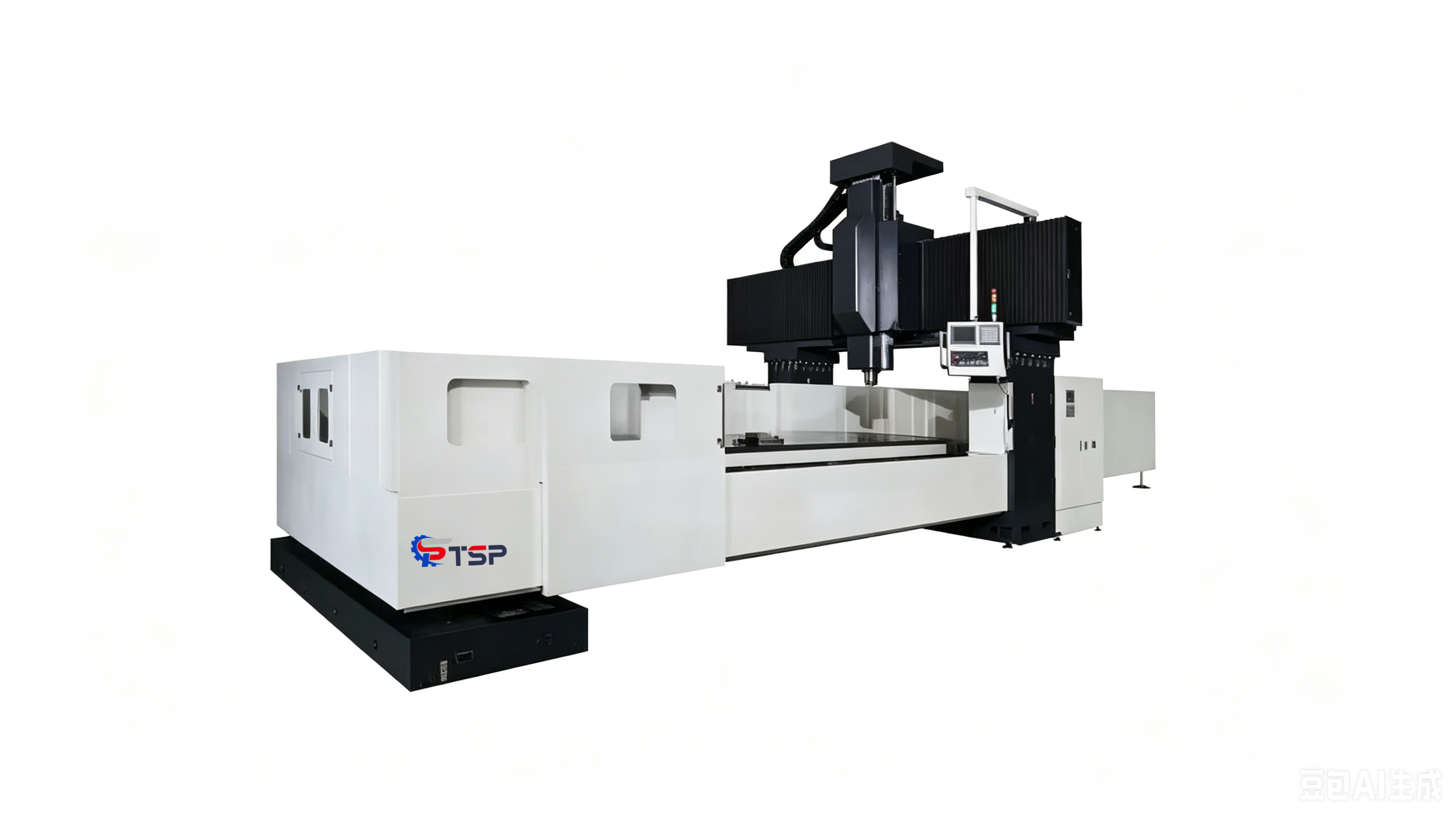
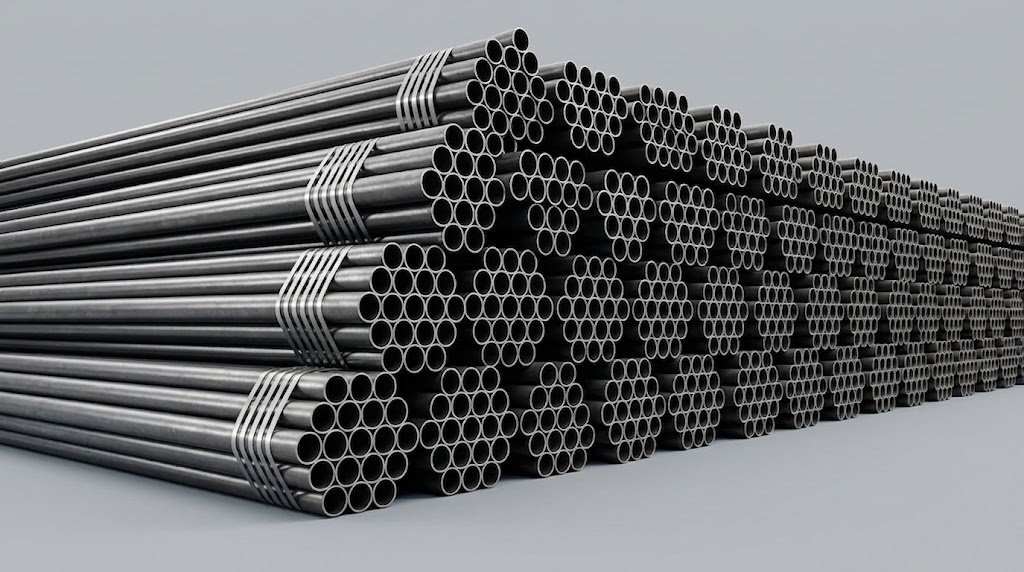
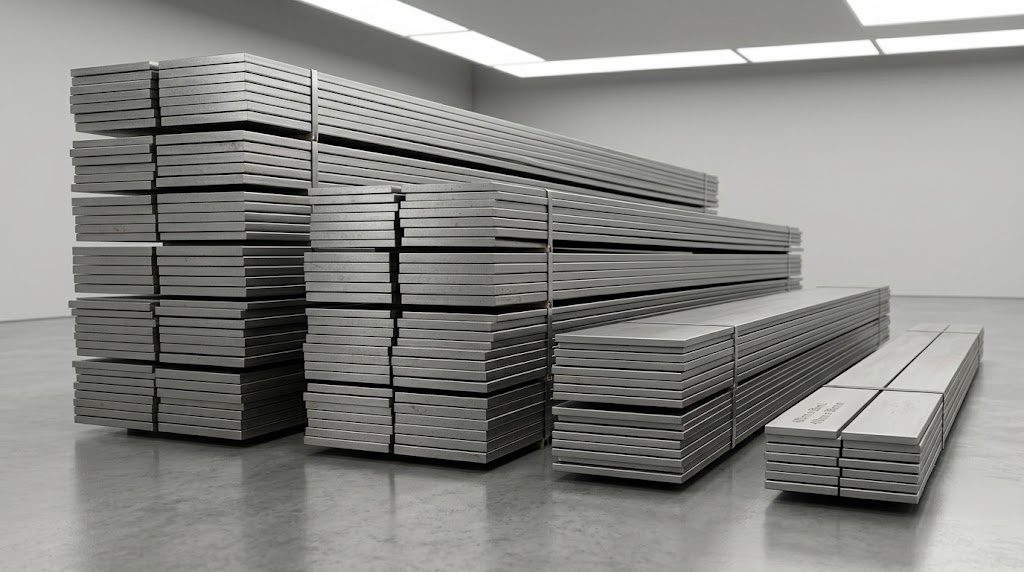
In the competitive world of heavy equipment—from earth-moving excavators to massive industrial cranes—every component must withstand extreme mechanical stress.
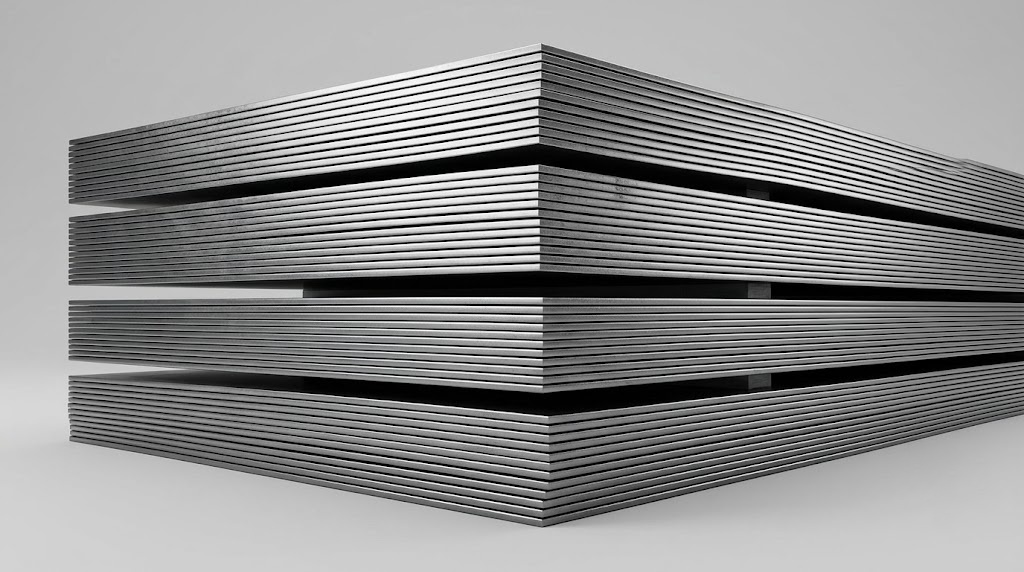
For years, manufacturers have relied on traditional flame, plasma, or mechanical cutting techniques to handle thick steel plates.
But as project timelines shrink and structural requirements become more rigorous
the question arises: Are your current cutting methods holding back your production efficiency?
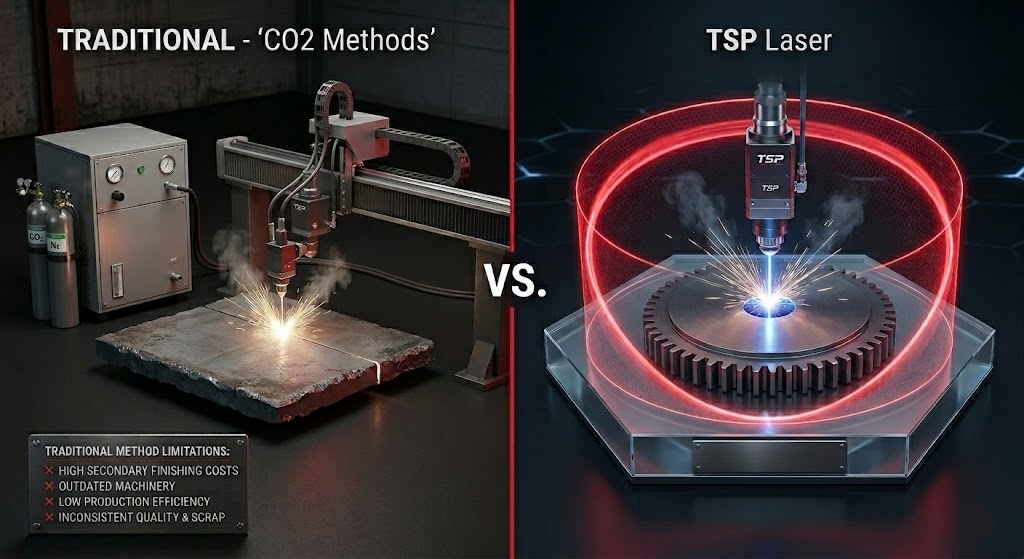
If your workflow involves constant grinding, slag removal, or struggling with inconsistent edge quality on materials thicker than 20mm, it is time to re-evaluate the impact of high-power fiber laser cutting.
How Does Fiber Laser Cutting Solve the “Thick Plate” Challenge?The transition to fiber laser technology isn’t just about faster speeds; it’s about shifting from brute force to precision engineering.
By utilizing advanced optical technology, fiber lasers tackle the common pitfalls of thick plate processing:Can you eliminate secondary manual labor?
Fiber lasers deliver clean, vertical, and dross-free edges, allowing components to move directly to welding or assembly without the need for time-consuming secondary grinding.
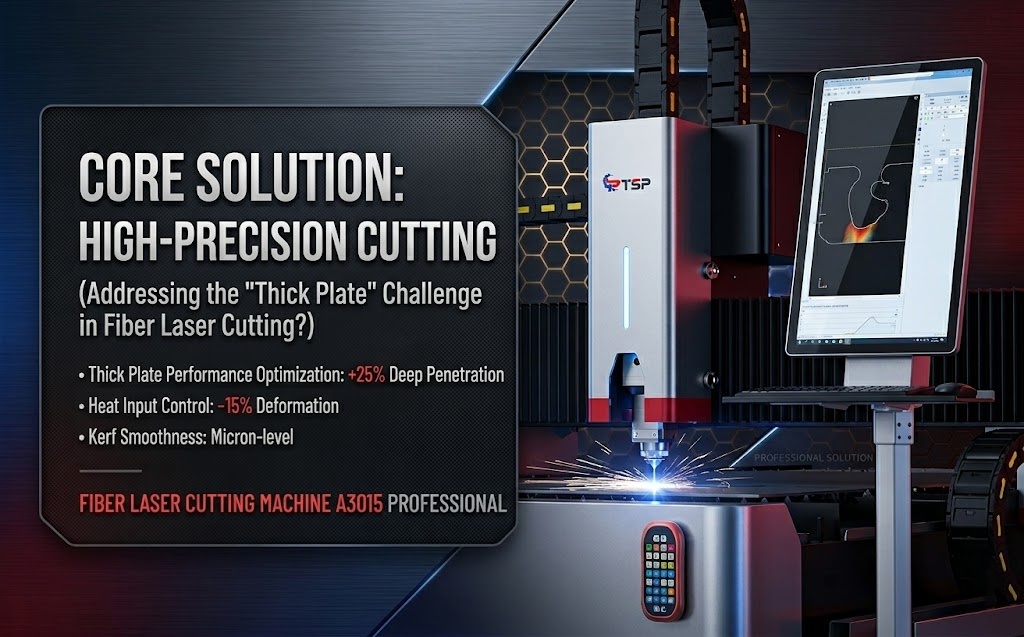
Is your steel losing its structural strength? Traditional thermal methods often create a large Heat-Affected Zone , which can weaken the material’s properties. Fiber lasers concentrate energy with such precision that the integrity of the base metal is preserved, ensuring your machinery is built for longevity.
Do your designs have complex tolerances? When your machinery relies on interlocking modular components, accuracy is everything. Fiber lasers ensure repeatable, high-precision cuts, even when dealing with intricate contours or complex bolt-hole patterns.
What Impact Does This Technology Have on Your Profit Margins?Beyond the technical specs, high-power fiber laser systems fundamentally change the economics of manufacturing.
| Operational Query | The Laser Advantage |
| Can we reduce material waste? | Yes, the narrow kerf width enables tighter nesting, significantly reducing expensive metal scrap. |
| Is automation possible? | Absolutely. These systems integrate with automated loading/unloading, facilitating 24/7 production. |
| Are we meeting our delivery deadlines? | Higher cutting speeds and reduced post-processing mean faster turnaround for every project. |
The Laser Advantage Can we reduce material waste?
Yes, the narrow kerf width enables tighter nesting, significantly reducing expensive metal scrap.
Is automation possible?
Absolutely. These systems integrate with automated loading/unloading, facilitating 24/7 production.
Are we meeting our delivery deadlines?
Higher cutting speeds and reduced post-processing mean faster turnaround for every project.
Ready to Upgrade Your Fabrication Standards?
The shift toward high-precision fabrication is a decisive factor in maintaining a competitive edge. As the global demand for more durable, high-performance construction machinery grows, relying on outdated cutting technology becomes a liability.
Are you ready to optimize your production workflow and achieve a higher level of precision in thick plate fabrication?
Integrating a high-power fiber laser solution is the most effective way to lower your total cost per part while delivering equipment that stands the test of time.